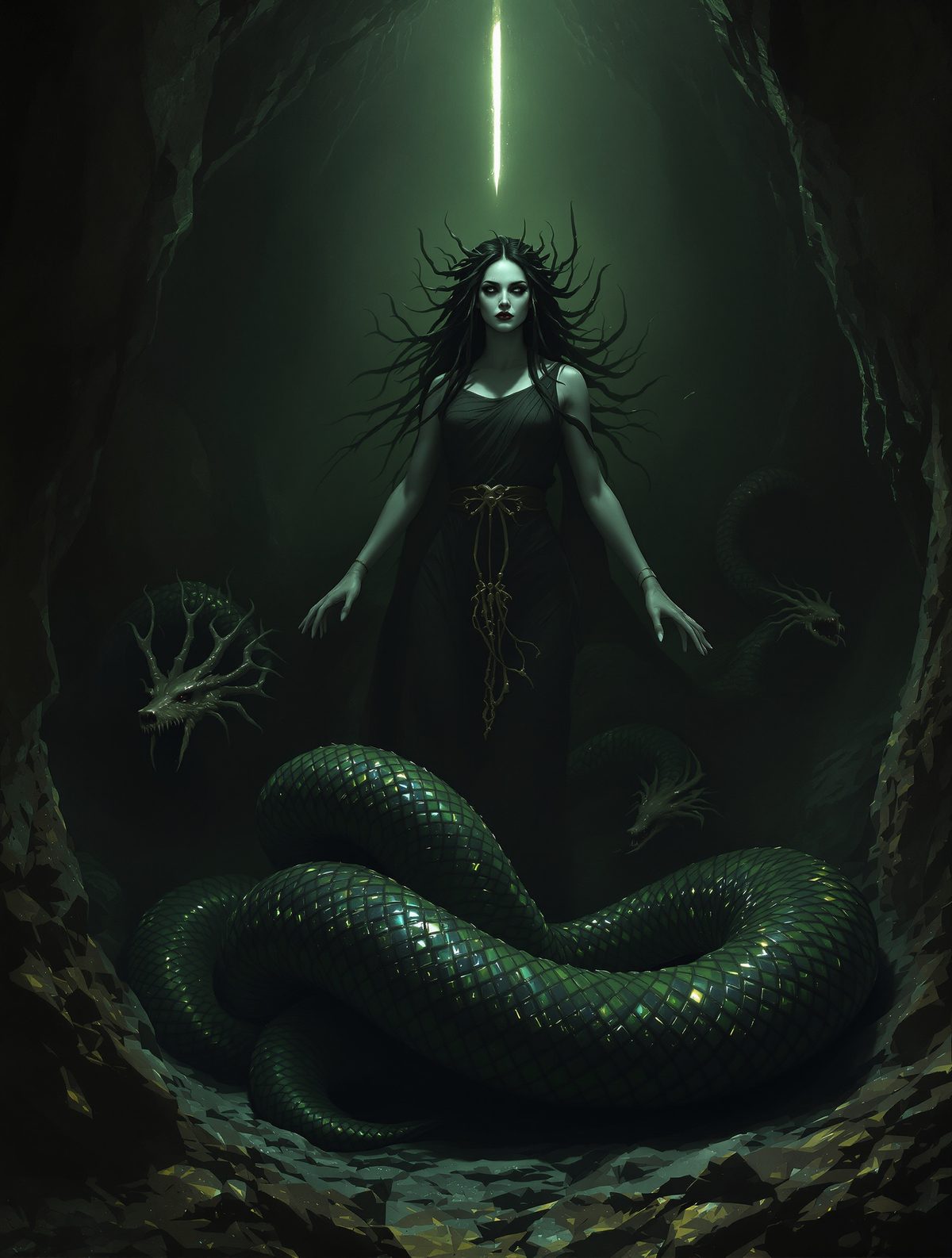
In the dim corners of ancient myth, where reality blurs into the fantastical, there lies a place untouched by sunlight and silent to the world above. It is a cavern of shadows and secrets, hidden beneath the ancient earth — the home of Echidna, the eternal mother of monsters. From this dark sanctuary, she unleashed a brood designed to challenge the very gods themselves, breathing life into the nightmares that would haunt the heroes of Greek stories. Join us as we unravel the tale of Typhon's children — the monsters born to end the gods.
The Unlikely Union: Typhon and Echidna
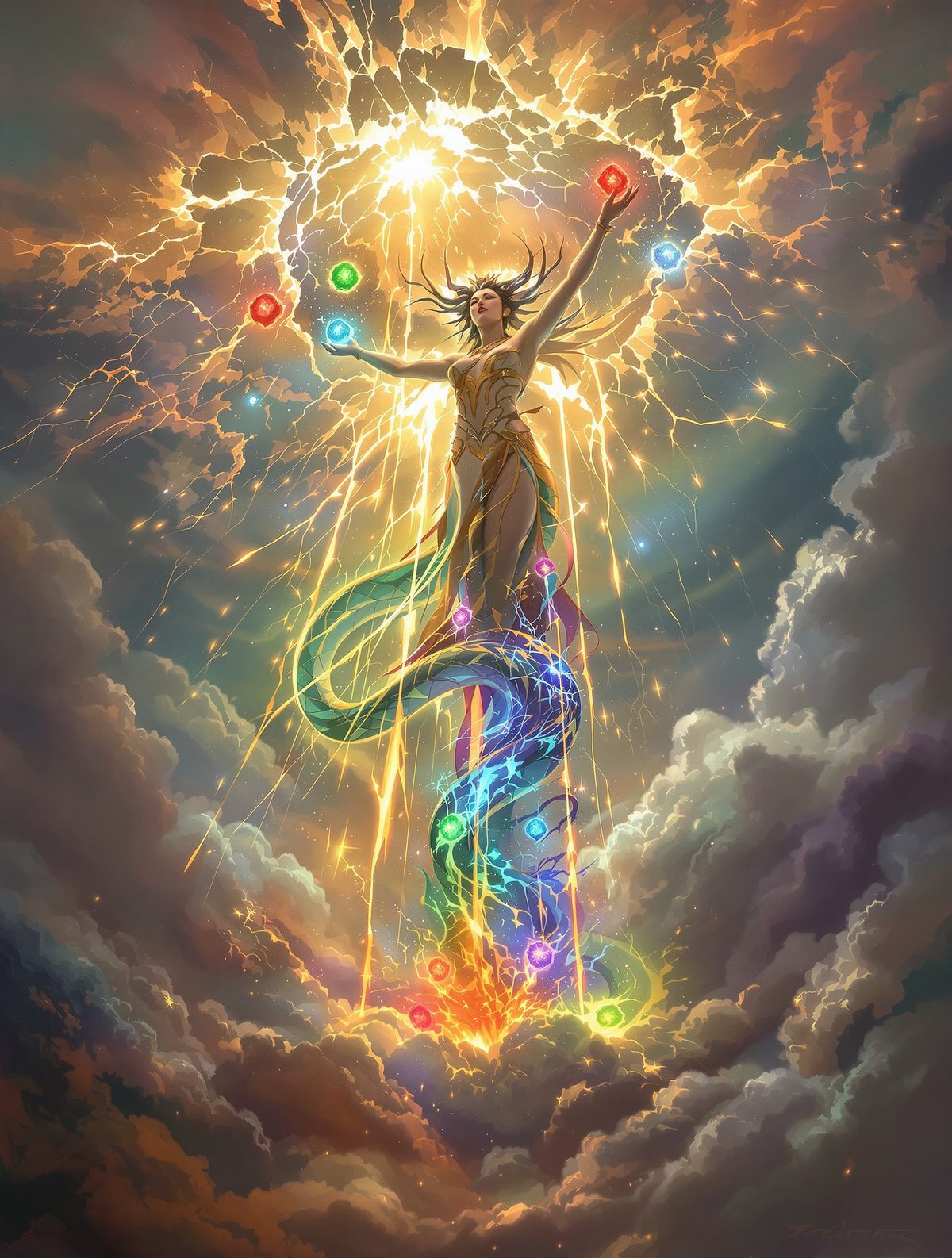
The saga of these monstrous offspring begins with their formidable parents, Typhon and Echidna. Typhon, a storm giant of incomparable fury and strength, was cast by the Earth Mother Gaia herself to challenge the rule of Zeus and the Olympians. Described by Hesiod in Theogony as having a hundred snake heads and a voice that could match the sound of a hurricane, Typhon symbolized chaos and destruction. In Echidna, he found a kindred spirit. As beautiful as she was terrifying, Echidna captivated the senses with the face of a maiden and the irresistible lure of a siren, but from the waist down, she was a loathsome serpent.
Their union represented the very essence of fear — beauty entwined with horror. Despite their ominous nature, it was rare that any Olympian would dare disturb Echidna in her subterranean lair. Her function was almost sacred; a dark necessity in a world filled with light. Even as they quelled Typhon, the gods allowed Echidna to live, choosing to engage later with her descendants rather than obliterate them at the source.
The Monstrous Progeny: Guardians of Chaos
Of all the children Echidna bore, none were more feared than the trio of monsters that became relentless adversaries of heroes and gods alike. Foremost was the Hydra of Lerna, a beast of many heads who terrorized the Peloponnese. Each time a head was cut off, two more would grow in its place, a seemingly unbeatable foe for Heracles until he discovered the secret of searing the severed necks with fire.
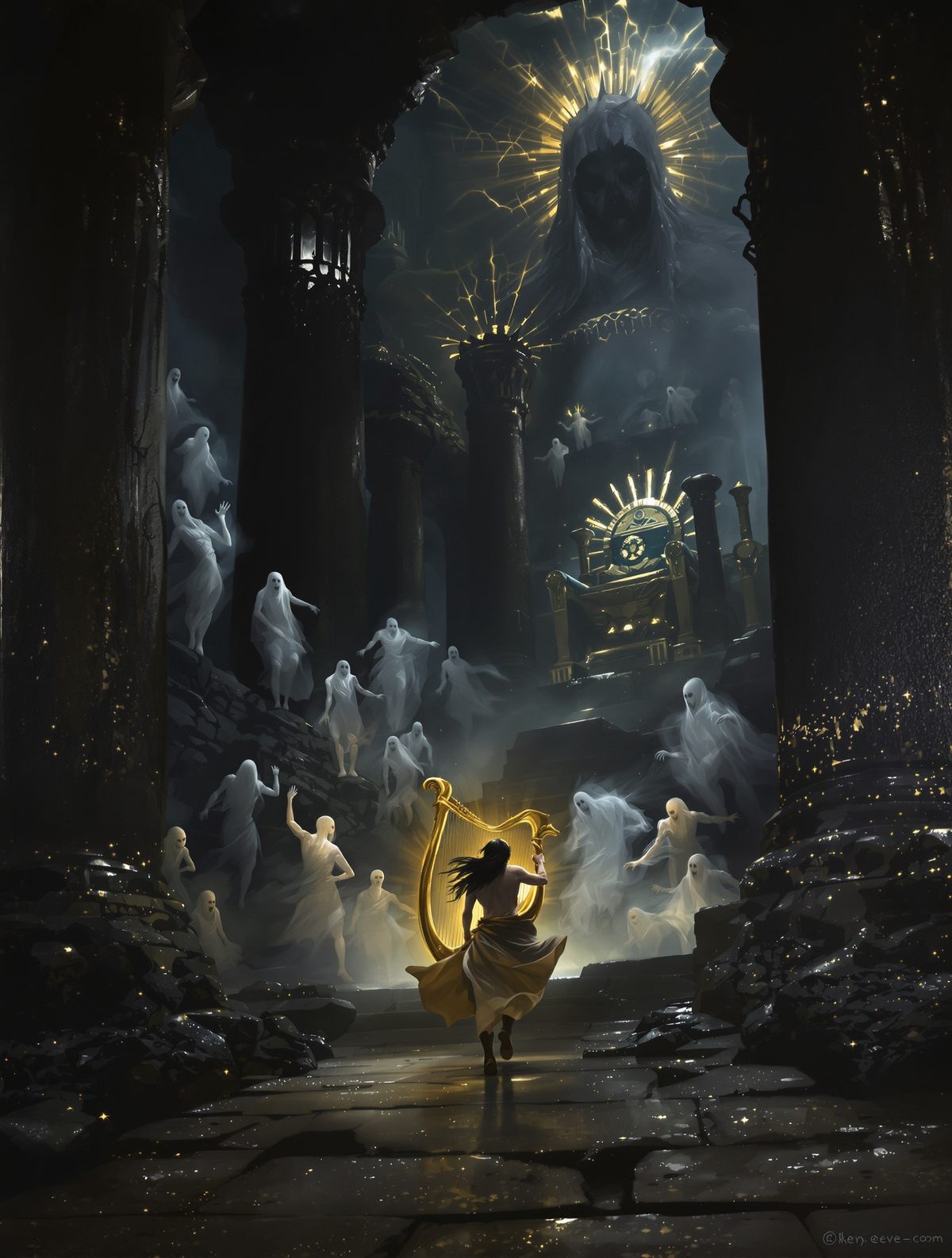
Next came Cerberus, the three-headed watchdog of the Underworld, assigned a critical task—guarding the gates of Hades. Despite his ferocity, this monstrous canine was subdued not by brute force, but by wit and sweetness when Heracles employed the gift of music to pacify him temporarily.
Then there was the Chimera, a bizarre blend of lion, goat, and serpent, breathing fire and spreading devastation across the lands. It took the strategy and aerial advantage of Bellerophon and his steed Pegasus to outmatch this nightmarish creature. Each monster, despite its deadly build, held a kernel of the divine struggle against chaos, playing a role in the cosmic balance of Greek myths.
The Lesser-Known Terrors: Sisters and Sons
Beyond the legendary trio, Echidna's shadow loomed through less celebrated yet equally chilling offspring. The Sphinx of Thebes, with her woman's head and lion's body, posed a deadly enigma that drove Oedipus to his tragic fate. Her riddles were as deadly as her sharp claws, a testament to the cunning nature she inherited.
The Nemean Lion, impervious to weapons, met its end at Heracles's determined hands but lives on as a constellation in the night sky. Orthrus, the two-headed dogguarded the cattle of Geryon and fell to the might of Heracles during his legendary Twelve Labors. The lineage of Echidna spread far and wide, touching every corner of the mythic Greek world, each child a testament to their mother's eternal legacy.
Nature's Monsters: A Reflection of Humanity
Why did the ancients, through the tales of Echidna and her ilk, fill their sagas with such fearsome creatures? These stories go beyond mere entertainment; they reflect a primordial understanding of their world and the human condition. Monsters conceived by Echidna were expressions of natural forces—untamed, uncontrollable, and unpredictable. To conquer them was to grasp a measure of control over nature's chaotic elements.
Moreover, these myths served to outline the virtues necessary to withstand these existential challenges. Courage, cunning, persistence, and cleverness—each hero had to possess or acquire these traits to succeed. In the narratives where mortals confronted these beasts, they mirrored humanity's eternal struggle against its inner and external adversaries, against fear and the unknown.
Legacy of Chaos: Echidna's Enduring Impact
Today, the stories of Echidna and her monstrous progeny continue to captivate, reminding us of a time when gods and humans writhed against the monstrous embodiments of their worst fears. These legends remain relevant because they encapsulate the timeless dance between order and chaos, a dance as old as the world itself.
From mythic monsters echoing through popular culture to their symbolic resonance in personal and societal challenges, Echidna's legacy proves indomitable. Her narratives, once whispered through the caves and mountainsides of ancient Greece, now roar across the ages, challenging each generation to confront its unique hydras, sphinxes, and chimeras. In their enduring saga, we find not only the echoes of ancient terror but the enduring promise of human triumph.