Imagine a world on the brink of annihilation. The sky itself is crumbling, unleashing torrents of water and streams of fire upon the earth. Mountains are collapsing, oceans are boiling, and chaos reigns supreme. Such were the cataclysmic conditions in ancient China’s mythological past when only Nüwa, a compassionate yet determined goddess, stood between creation and oblivion. Her courageous tale of sacrifice, perseverance, and cosmic repair has resonated through the centuries, weaving itself into the fabric of Chinese mythology and culture, and offering timeless lessons on resilience and hope.
The Great Catastrophe
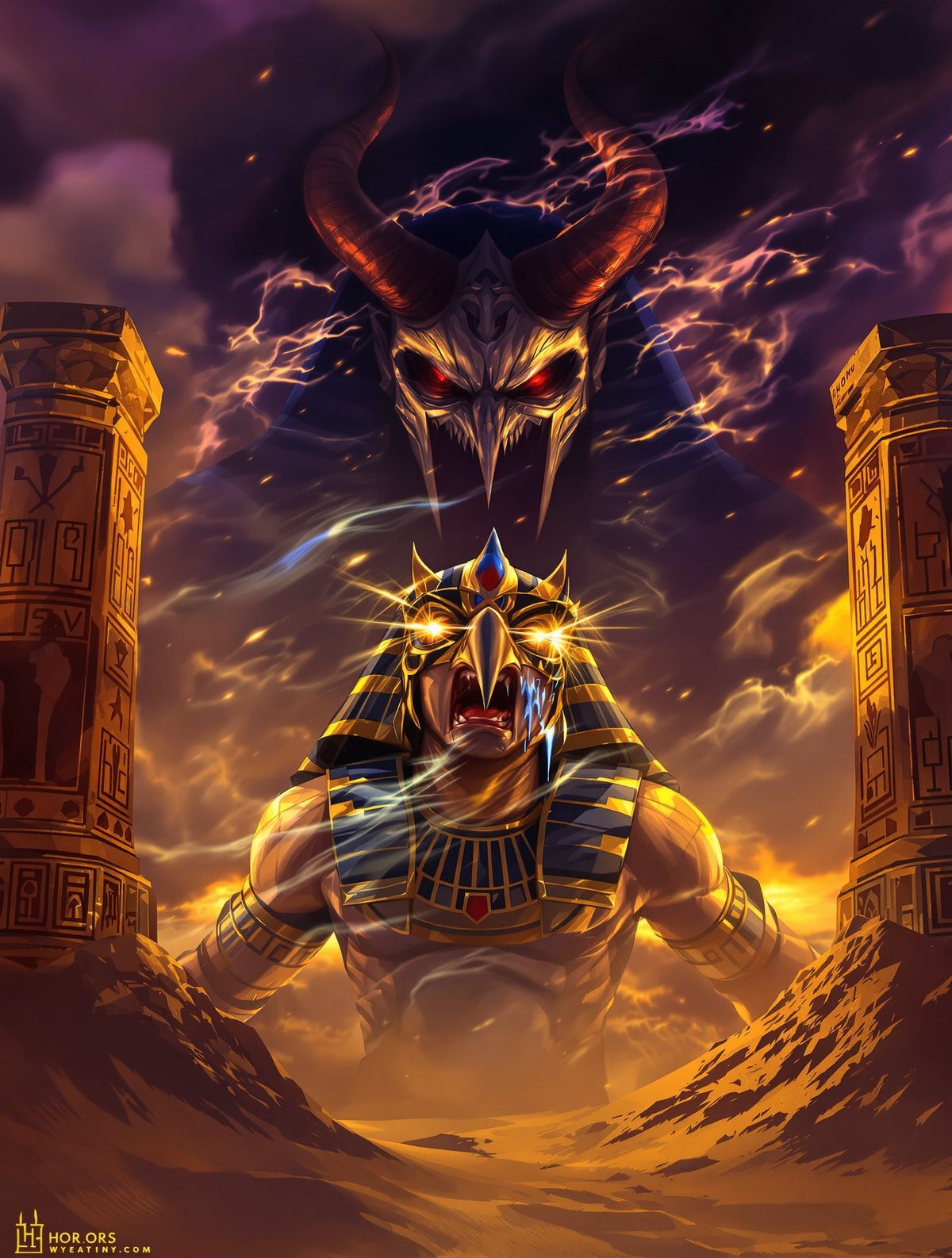
According to ancient Chinese lore, the fragility of existence was laid bare in a time so distant that it predated the first recorded dynasties. It was a world initially brought to order by the benevolent actions of the high deities and majestic rivers that threaded the earth. Yet calamity struck when one of the heaven’s pillars, great as the mountains themselves, succumbed to immense cosmic forces and shattered. The celestial canopy, once perfect and immutable, split open, creating a chasm through which elements of chaos spilled freely, threatening to unravel the intricate tapestry of life and light that covered the world.
The poet Qu Yuan, in his celebrated "Heavenly Questions" dating to around the 4th century BCE, speaks in veiled terms of this ancient disaster – the sky tilted, the earth sagged, and existence itself trembled. Nüwa, a goddess renowned for her connections to creation and fertility, witnessed the fracture of harmonious balance with an eerie foresight.
Nüwa, the Compassionate Creator
Nüwa was no ordinary figure within the pantheon. She was revered not just for her role in the creation of humanity, which she meticulously sculpted from yellow earth, but for her profound wisdom and empathy. Unlike the capricious gods painted in other traditions, she shared an intrinsic bond with her creations, embodying qualities of protection and nurturing. When faced with the ultimate crisis, she did not hesitate to take action, showcasing a divine determination that became legendary.
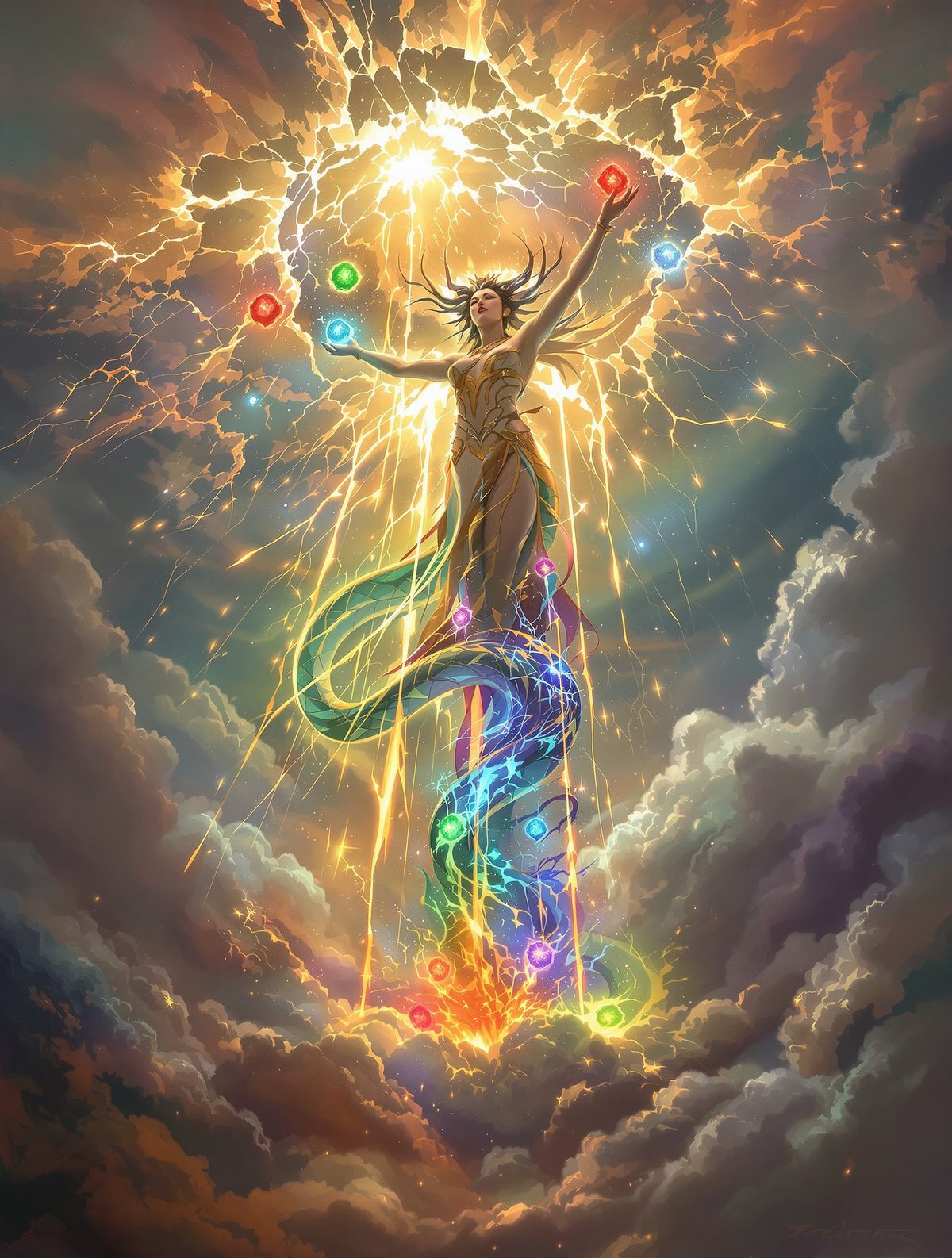
Faced with the apocalyptic scenario, Nüwa assessed the cosmic damage with the resolve of a master artisan. Her solution was as novel as it was daunting – she would personally mend the sky with her own hands. But instead of summoning lightning or commanding winds, Nüwa embraced a method grounded in the natural world. She gathered stones, not just any stones, but five-colored gems that, together, held the essence of life and energy. It is said that she ventured to distant realms and perilous peaks to procure these vibrant materials, each color representing an essential element of the universe: wood, fire, earth, metal, and water.
The Celestial Repair
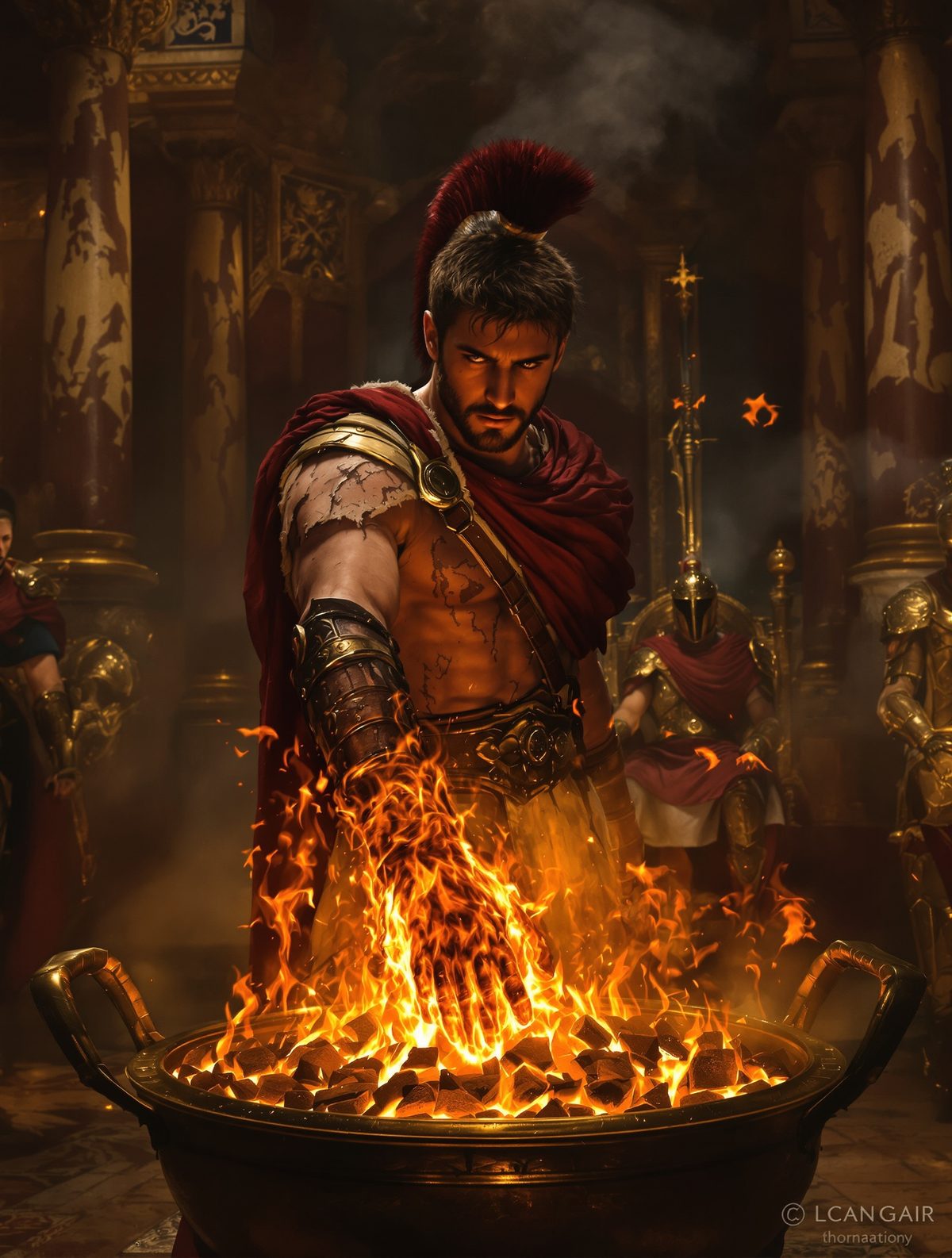
The labor was painstaking. Nüwa melted the stones with the heat of her determination, using a grand cauldron of mythical proportions, blending them into a molten rainbow capable of withstanding the vastness of the sky. As she pressed the liquid hues into the heavenly void, her bare hands were her only tools, infused with the resolve to seal not just cracks but a tear in the fabric of cosmic order.
This celestial endeavor was not without cost. The enormity of the task left Nüwa drained, and legend suggests she endured immense physical tolls. The act of mending the sky required her divine essence to bind the stones, embedding a part of herself in every patch she applied. Despite these personal sacrifices, her unwavering focus never faltered. The bands of repaired colors lingered as lasting symbols of hope and renewal, reminders of her divine presence and action.
The Restoration of Peace
With the cracks sealed and the celestial balance restored, calm descended upon the world. Waters receded, fires extinguished, and harmony stretched across the land like a gentle balm. Nüwa’s repair work ushered in an era of peace and stability, paving the way for civilizations to flourish beneath the heavens she had painstakingly mended.
Nüwa’s legacy continued to ripple across time, etched not only into mythology but also into the hearts and minds of those who pay homage to her bravery. Her story reflects a profound respect for the interconnectedness of nature and the duty of the powerful to safeguard the vulnerable. Over centuries, rituals and rites evolved to honor her contribution — with offerings of rice and woven patterns as tributes to her transformative labor.
The Lesser-Known Legacies
Historically, tales of Nüwa varied, often intertwining with other mythic figures and narratives. Some anecdotes depict her husband and brother, Fuxi, a fellow creator of humankind and culture bearer, as companion in her quests. His support underscores the theme of unity and partnership against the odds. With time, even emperors of China recognized Nüwa, elevating her tale to official court histories, thereby entwining mythic and historical timelines.
Intriguingly, lesser-known narratives suggest that Nüwa applied her talents to teach humans music and crafting, imbuing society with joy and beauty in addition to direct cosmic interventions. These stories underline her significance not only as a symbol of destruction aversion but also of cultural enrichment.
A Timeless Reminder
The tale of Nüwa mending the sky resonates today with a profound message about resilience in the face of overwhelming odds. In our modern age, as we confront environmental crises or grapple with the overwhelming scope of human impact on nature, her legacy shines as a beacon of hope and perseverance. The selfless labor she exhibited inspires communities to believe that even momentous challenges can be met creatively and collectively.
Nüwa’s enduring legend speaks to our capacity to repair, nurture, and rebuild. Her hands, sculpting life from clay or piecing together the sky from stones, serve as symbols of the transformative power residing in acts of compassion and dedication. As we explore the legends they left out of the textbooks, may we recognize them as reflections of timeless truths, urging us to play our part on the one and only tapestry connecting the heavens and earth.