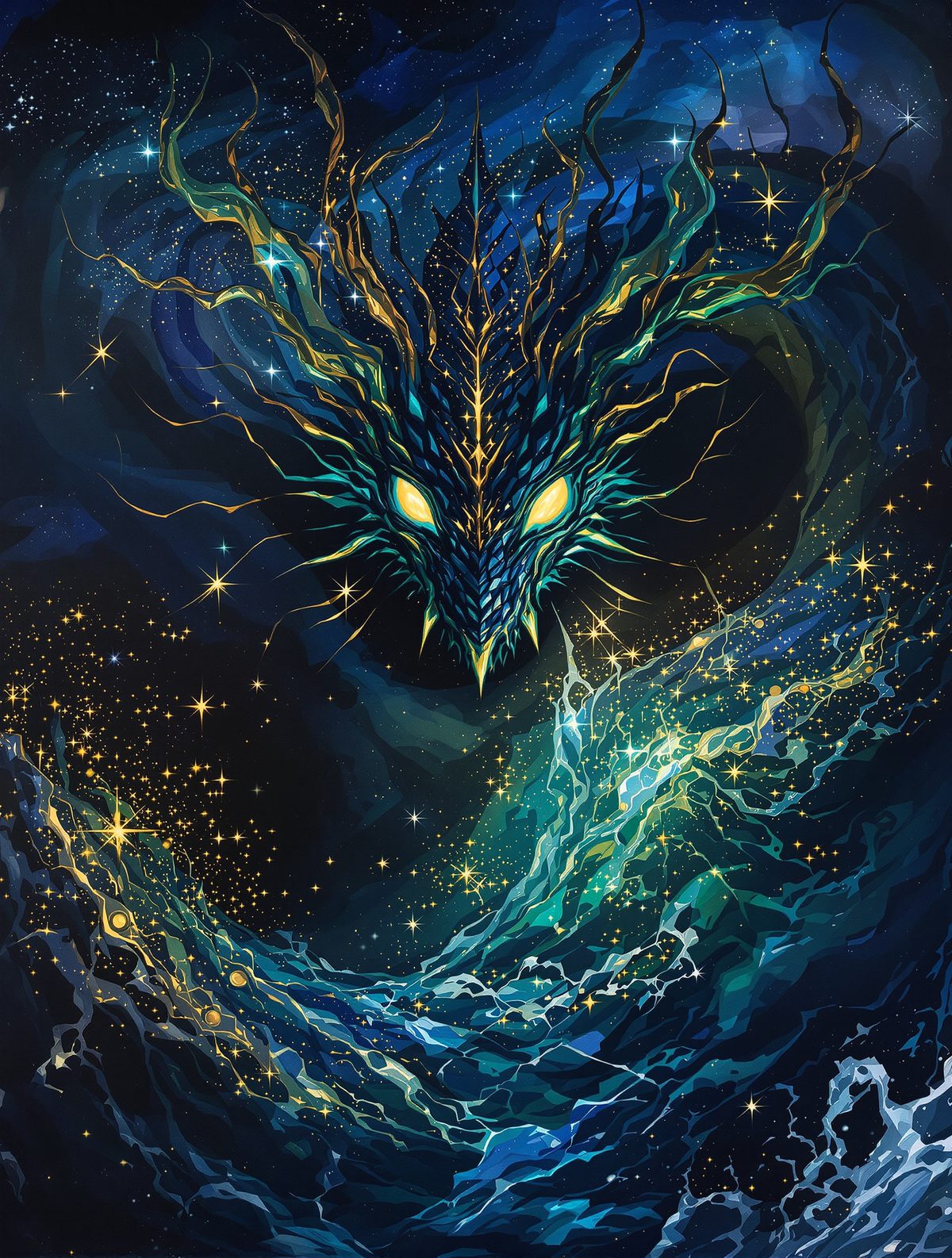
In the nebulous depths of time, before the inception of sky and earth, before even the pen had inscribed the first thought, there existed a formless, boundless ocean. This ocean was Tiamat: the mother of all life and the embodiment of cosmic chaos. Her tale is one that survives through the shifting sands of myth, a narrative that both embodies and defies the very essence of creation. Journey back to the unparalleled beginnings of Babylonian mythology, where even the gods were once as fragile as whispers of wind.
The Unfathomable Cosmogony
Before the delineation of celestial from terrestrial, there was only Tiamat, the salt water that embraced the realms of existence. In these antipodal waters, creation stirred not with the flash of lightning or a word divine, but with ripples of her very essence. Complimentary to Tiamat's extraordinary presence was Apsu, the sweet water beneath, her contrasting and consort. Together, in this primordial chaos, they entwined to give birth to the first celestial beings, the young gods, rudimentary yet potent.
The plane lacked structure and form; names did not define the elements yet, and the cosmos was but a chaotic dance of potentiality. Tiamat, however, was the paradoxical agent of both stability and upheaval. Her presence foreshadowed the duality of nature—life blooming from disorder, chaos courting creation.
Children of the Deep
From Tiamat’s fathomless depths emerged entities that unknowingly heralded a new epoch. These Gods, birthed from her inner ocean, were the first manifestations of what would ultimately evolve into divine order. Names echoing through the annals of ancient tablets include Lahmu and Lahamu, Anshar and Kishar, and eventually the fierce Marduk, whose fates twined amongst turbulent seas and empyreal aspirations.
The emergence of these entities marked a turning of ages—ages where life sought form in myriad ways, from the magnificent to the monstrous. Yet, in Tiamat's eyes, this was merely transient turmoil born from herself, curious yet unsettling. The creativity of her children was boundless, and they spawned generations that began defining the constructs of heaven and earth. The noise of their existence grew loud, too loud, disturbing Tiamat’s repose.
The Stirring of a Primordial Fury
What the ancient scribes often left unspoken, yet was profoundly felt, was the intimacy of a mother betrayed by her own creations. Tiamat, personifying the wild, capricious sea, became irate with the continuous raucousness and arrogance of these deities. Her initial nature, which was to nurture and give, twisted into something altogether more fearsome. Tiamat, once the font of creation, now embraced her role as the harbinger of annihilation.
It is here that she transformed into the archetypal mother, not just bearing life but also reclaiming it. Lavender-tinted seas churned as Tiamat roared her first, transforming her anguish into purpose: she would dismantle what she had spawned. Thus began a cascade of chaos that would pit mother against offspring, binding destiny with the tumultuous waves of her vengeance.
The Gathering of Chaos
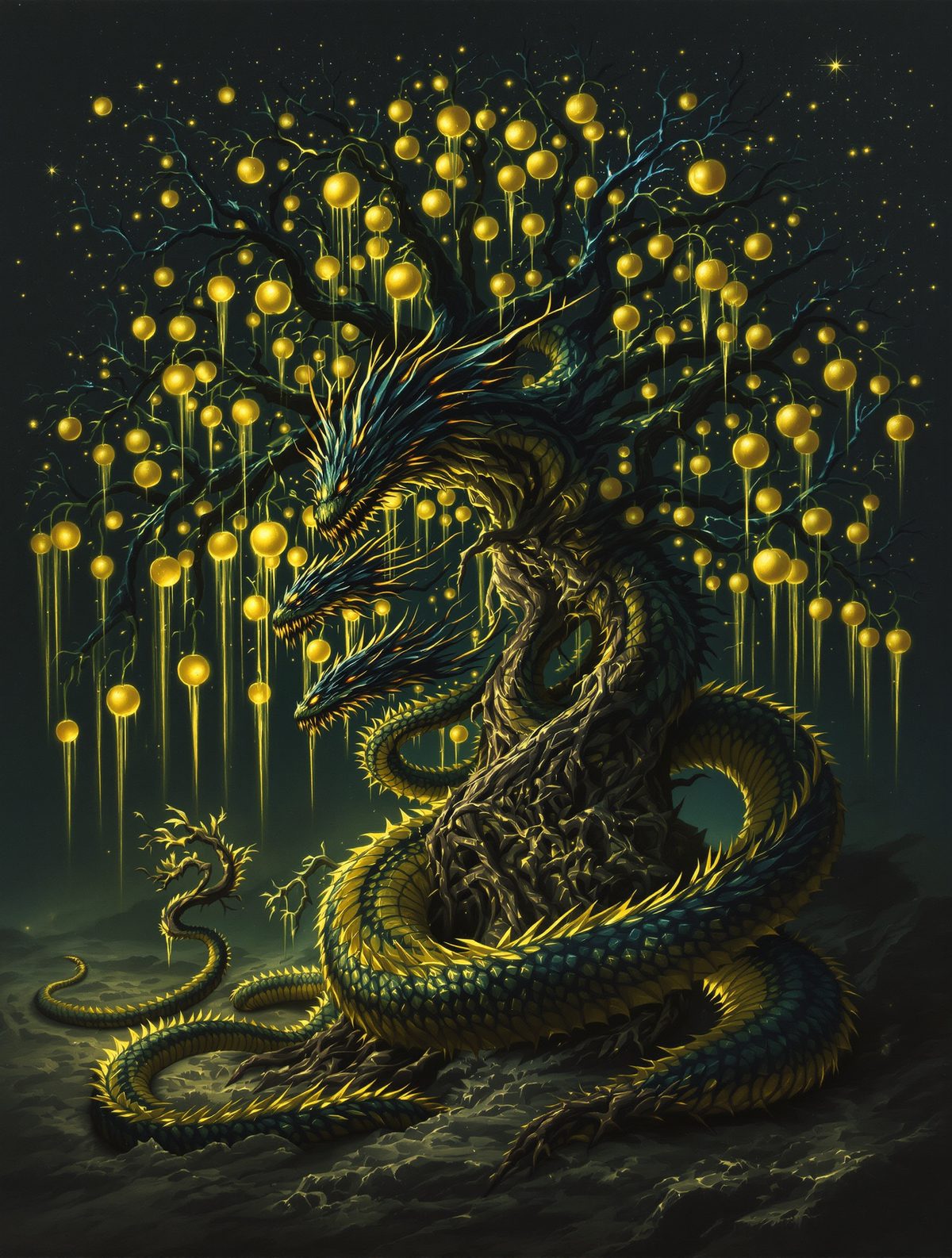
The gods, sensing inevitable conflict, were taken aback by Tiamat’s looming wrath. Ancient tablets from the Babylonian epic “Enuma Elish” describe her assembling a host of monstrous entities, ctheusian creatures born of nightmare—a dragon’s fiercest fantasy. Her army included serpents, dragons, scorpion men, and other formidable beings whose origins were seeded in Tiamat's boundless ocean.
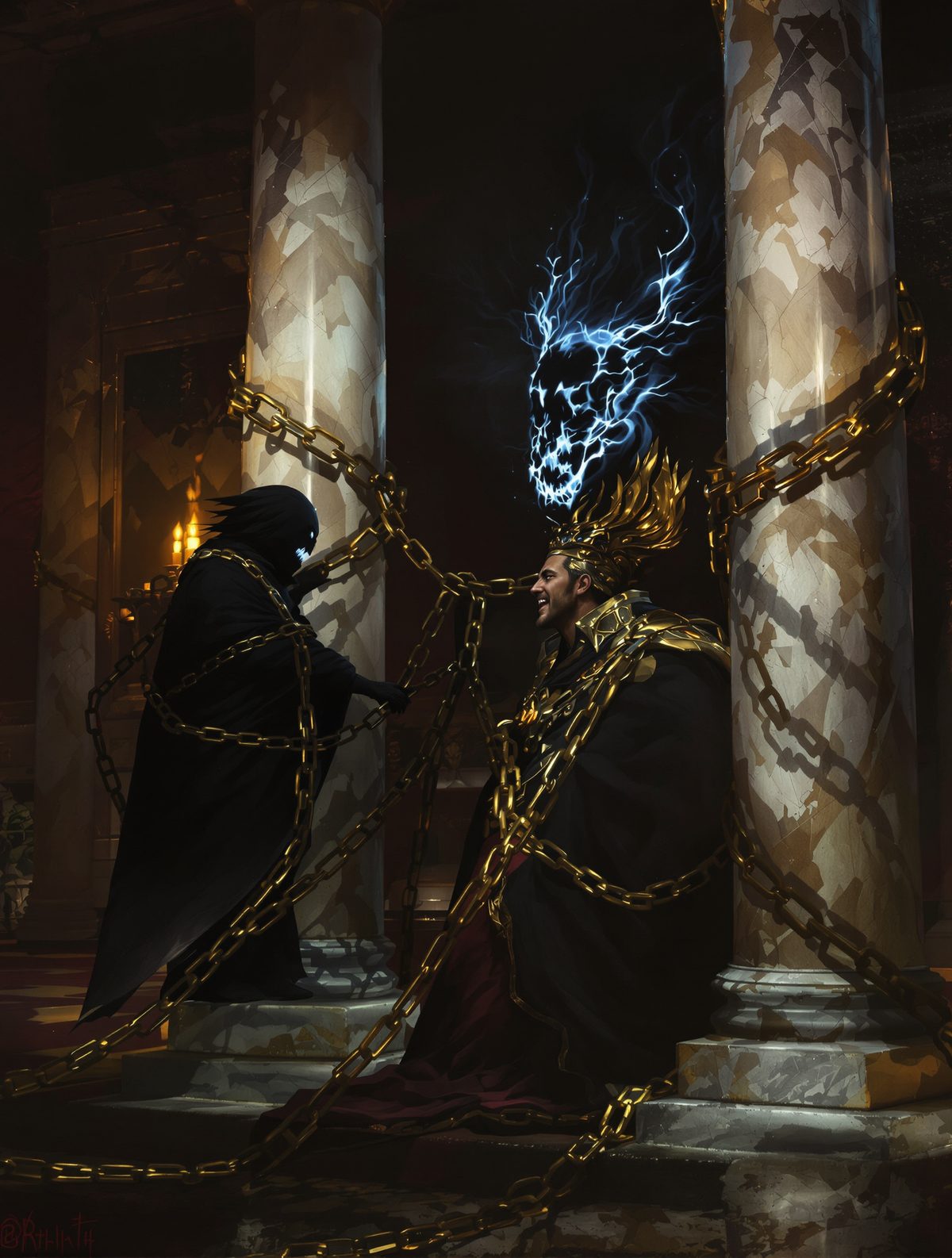
Even against this backdrop of imminent obliteration, there lies an often-overlooked detail: Tiamat appointed Qingu, a deity of her creation, as the leader of her dreadful assembly. Endowing him with the "Tablet of Destinies," she marked him as the arbiter of control over the universe—a surprising act revealing Tiamat as a bearer of irony, harboring sterile potential within depths she would not permit to flourish.
The Battle That Shaped Existence
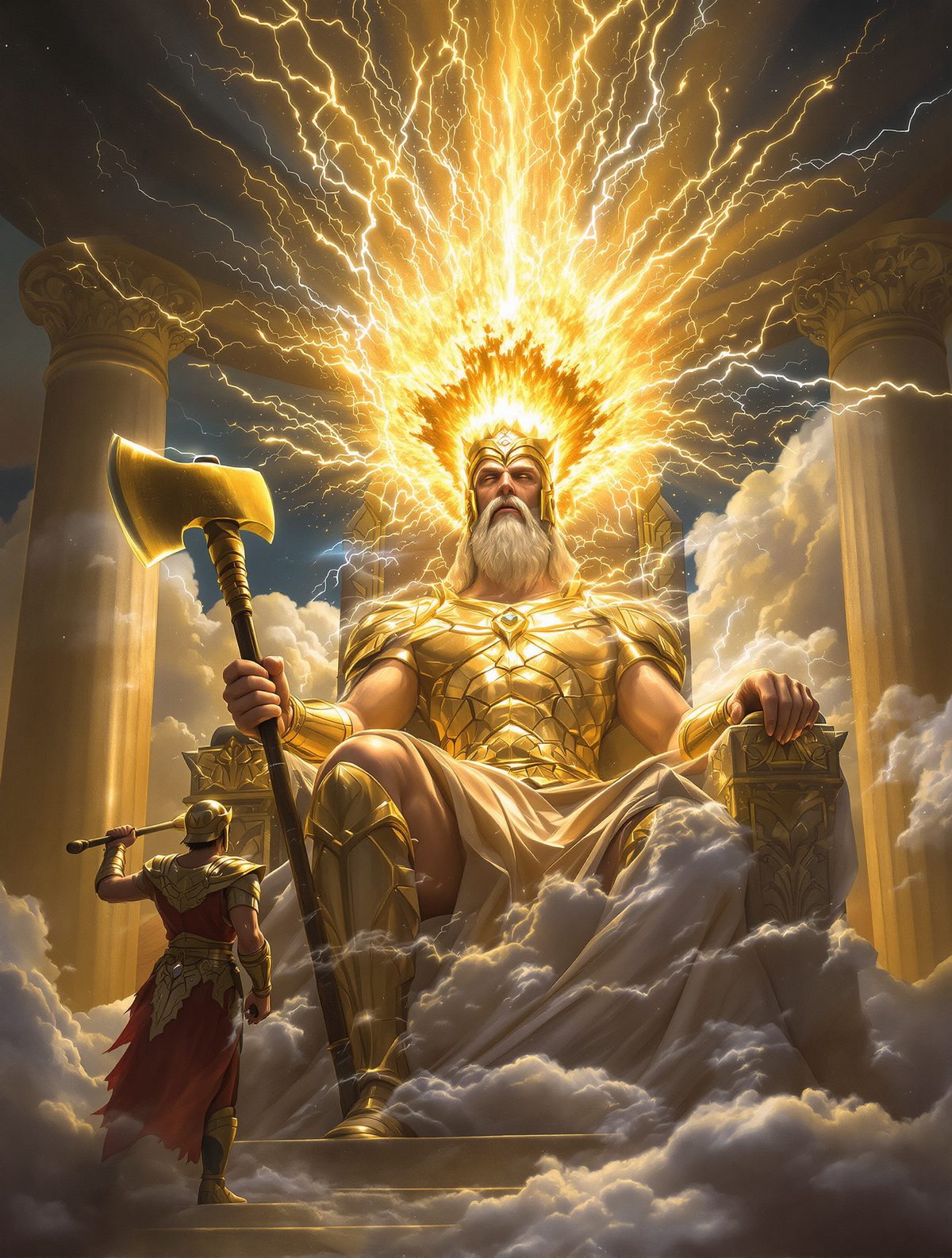
Enter Marduk, the god who would forever alter the cosmic chessboard. A young and powerful deity, Marduk accepted the challenge of quelling the primordial tempest that was Tiamat. With borrowed might and the aspirations of the gods behind him, he faced the mother of chaos in a battle of cosmic proportions.
The clash echoes through time: Marduk, wielding the winds and imbued with the power of storms, faced Tiamat on the battlefield that would define the universe’s structure. Equipped with net and bow, Marduk vanquished Tiamat, the realm thus cleaving her body to create heaven and earth. Not a mere victory over primeval dissent, but the carving of cosmos from chaos, world from ocean. The bones and blood of Tiamat became the skies and seas, the source of life and the unseen force of nature.
Reflections Across Time
The narrative of Tiamat’s rebellion and subsequent overthrow resonates far beyond the corridors of ancient Babylonian lore. It offers a lens through which to view the eternal cycle of creation and destruction, the interplay of chaos and order. In retelling Tiamat's first roar, we come to grasp not merely an archaic myth but the intrinsic rhythm of existence. Her story underscores a profound truth: even before shape and name, chaos was both the mother and the crucible of creativity.
Today, we find relevance in Tiamat's tale amid a world that often oscillates between harmony and discord. Our fascination with destruction and resurrection is innate, woven into the fabric of human understanding. As we face our modern deluges and storms, let Tiamat remind us of the latent potential within chaos: to reshape, to reform, and perhaps, ultimately, to renew.