In the ancient sun-kissed land of Corinth, a tale once whispered between marble columns and beneath olive-laden trees has lingered through the ages. This is the remarkable legend of King Sisyphus, the mortal who dared to defy Death itself and halt the relentless march of time. In a world where the gods ruled with firm hands, Sisyphus, with audacity and cunning, momentarily brought everything to a standstill. But what happens when the world forgets how to die?
The Arrival of Thanatos: A Meeting with Death
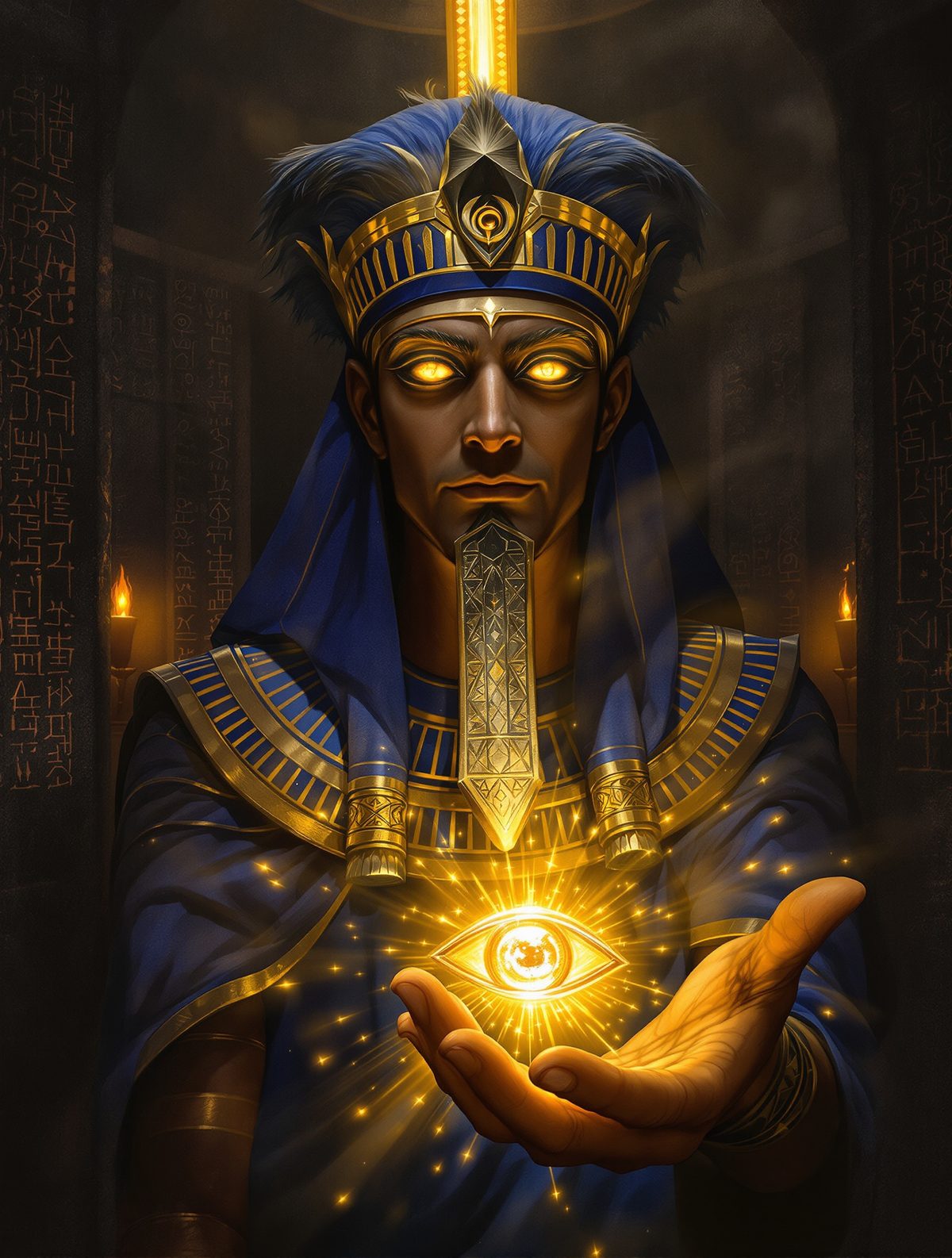
Imagine the dusty roads of Corinth, circa 1200 BCE, where the air crackles with the unspoken tension of impending doom. King Sisyphus, a man not easily swayed by the inevitabilities of life, watched the skies through calculating eyes. His kingdom knew him as a shrewd ruler, a touch too hungry for power and far too wise for his own good. When Death, personified as the enigmatic Thanatos, arrived to escort him to the afterlife, Sisyphus greeted him not with fear but with a hospitality that hid deception like a serpent beneath the sand.
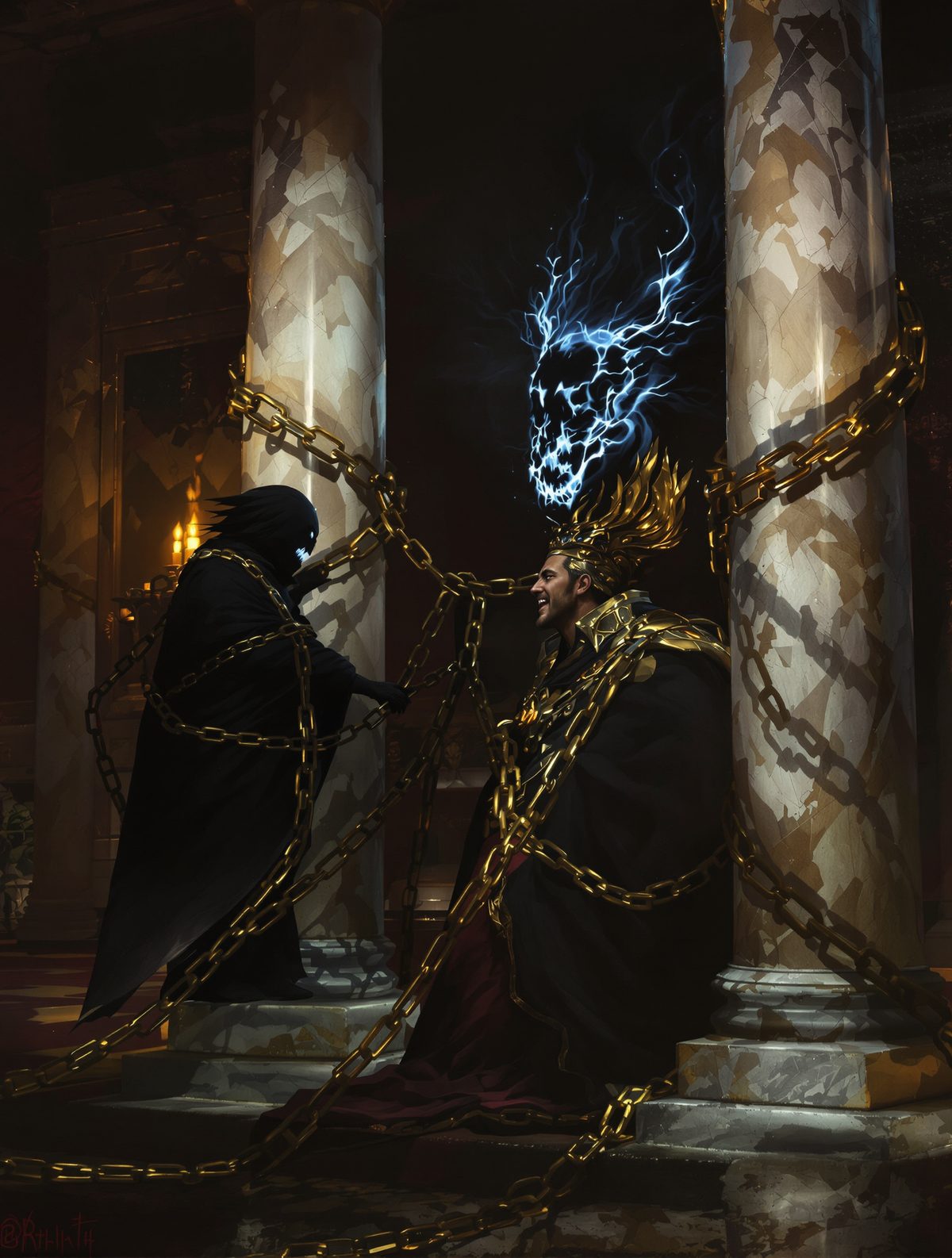
Sisyphus's reputation preceded him, known for his cleverness not only to the people but the pantheon of gods. Legend has it that upon arrival, Thanatos found himself ensnared by the King’s charm before succumbing to cleverly devised chains. With Death immobilized, life in Corinth—and indeed, all of Earth—lurched into an unnatural stasis.
A World in Suspension: Immortality's Unwanted Gift
The earth continued to flourish in the absence of death, yet what first seemed a blessing soon morphed into a silent curse. Wounded soldiers found themselves unable to die with honor on the battlefield. The elderly endured prolonged suffering as the natural cycle was suspended impossibly in midair. Even sacrificial animals, offered to appease the anger of the gods, persistently brayed through their expected deaths as the heavens turned their gaze in horror upon the mortal realm.
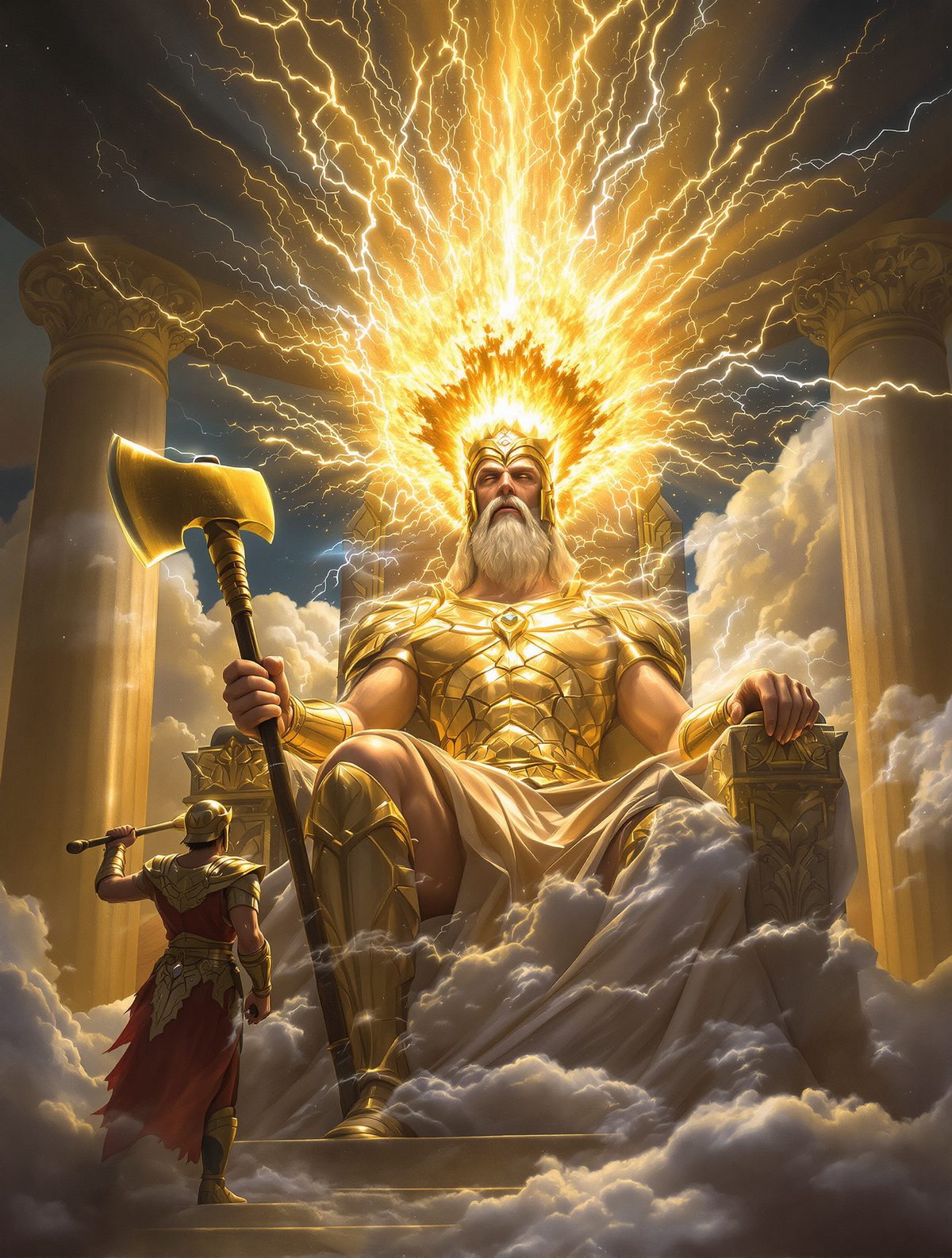
As the narrative unravels, the gods squirmed upon their celestial thrones. Here was Sisyphus, a single man defying the cosmic balance. Zeus himself, the Thunderer, whose will commanded the skies, sought counsel with the ever-prudent Hades. How could a mere mortal upset the scales that permitted harmony between life and death? The gods realized that without the inevitability of death, the cycle of life was a mockery—ageless, yet utterly meaningless.
Craftiness Bound by the Chains of Retribution
With the world on the brink of chaos, Ares, the fiery god of war, grew particularly restless. Battle and death, his domains of delight, lay dormant and silent. Determined to restore order, Ares descended to the realm of mortals, where he swiftly located the bound figure of Thanatos. With divine strength, he shattered the chains and released Death from its mortal captivity.
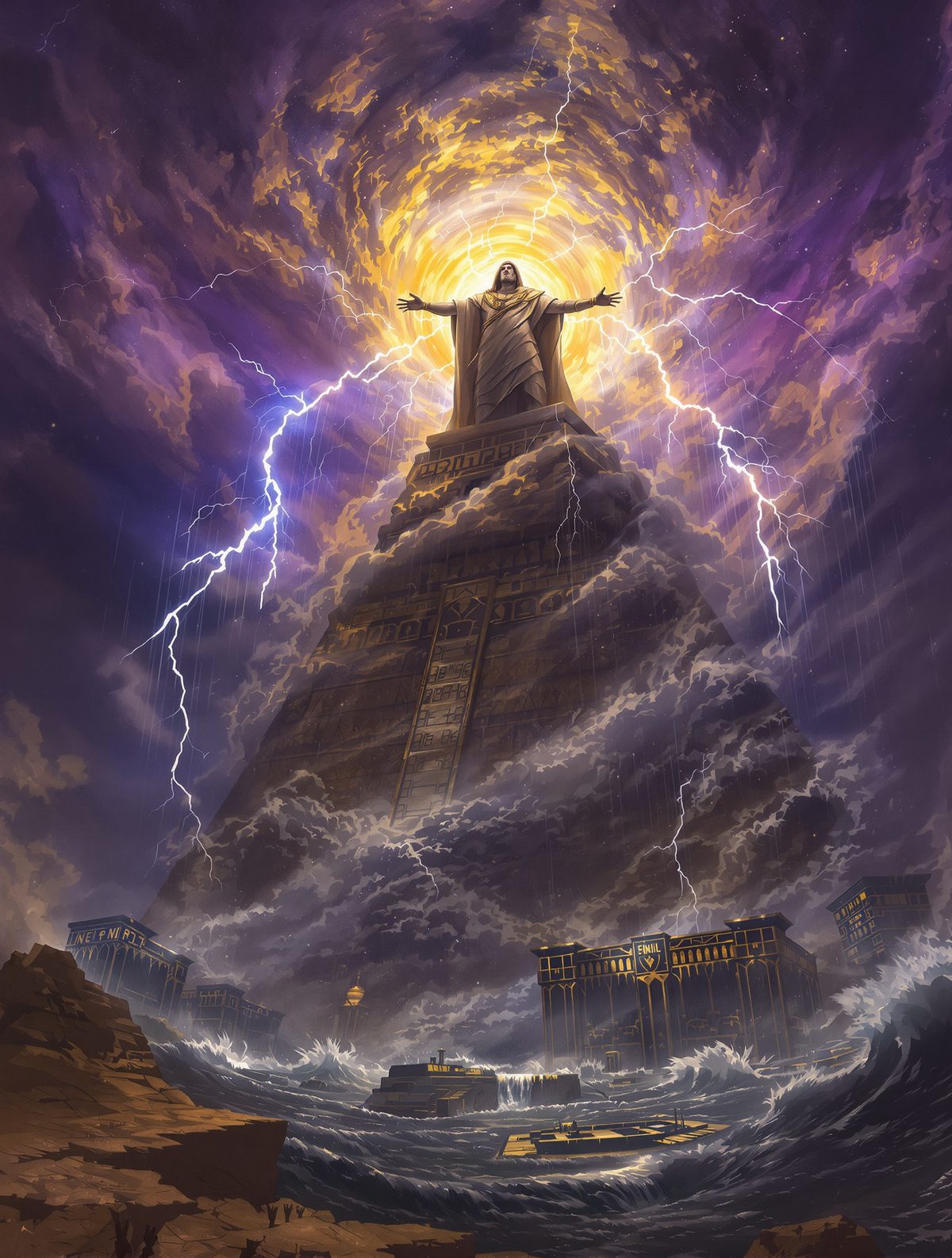
The freedom of Thanatos echoed across the world like the shiver of a cold wind. As death resumed its relentless passage, sighs of relief—and cries of despair—rippled across Corinth. Sisyphus's daring defiance had momentarily unraveled the threads of fate. However, the inevitable end had merely been delayed, not denied.
The Price of Defiance: Sisyphus's Eternal Punishment
In the enthralling aftermath, Sisyphus found himself dragged before the divine judgment of Zeus. The god's ire was unfathomable, yet his justice, unexpectedly poetic. For his transgressions, Sisyphus was condemned to a fate befitting his obstinacy: an eternity of rolling a boulder up a hill in the underworld, only for it to roll back down each time he neared the summit. This perpetual labor symbolized the futility of his defiance and etched his cleverness into the annals of legend.
The image of Sisyphus, forever doomed to labor in futility, is a powerful reminder etched into the collective consciousness of human myth and history. The tale of Sisyphus does not fade; it continues to invigorate imaginations, serving as a metaphor for the Sisyphean tasks we encounter in our own lives.
Legacy of a Legend: A Mirror to Mortality
Today, the tale of Sisyphus resonates with a distinct echo. In a modern world enraptured by progress and innovation, we too grapple with the idea of defying limits. Whether in medicine, technology, or the pursuit of personal ambitions, we find ourselves asking: how far can we push the boundaries of our existence? The story poses a question of philosophical depth, inspiring contemplation on the meaning of life, the acceptance of death, and the quest for immortality.
As Sisyphus occupies his eternal punishment, we glimpse the intricacies of the human spirit—a spirit that challenges the status quo even while knowing the outcome may be unchangeable. It's a timeless reflection upon human endeavor, as pertinent today as it was when ancient voices first wove the tale by flickering firelight. For though death may remain inevitable, it is the journey and struggles we undertake that grant life its profound significance—a revelation as enduring as the legend of King Sisyphus himself.