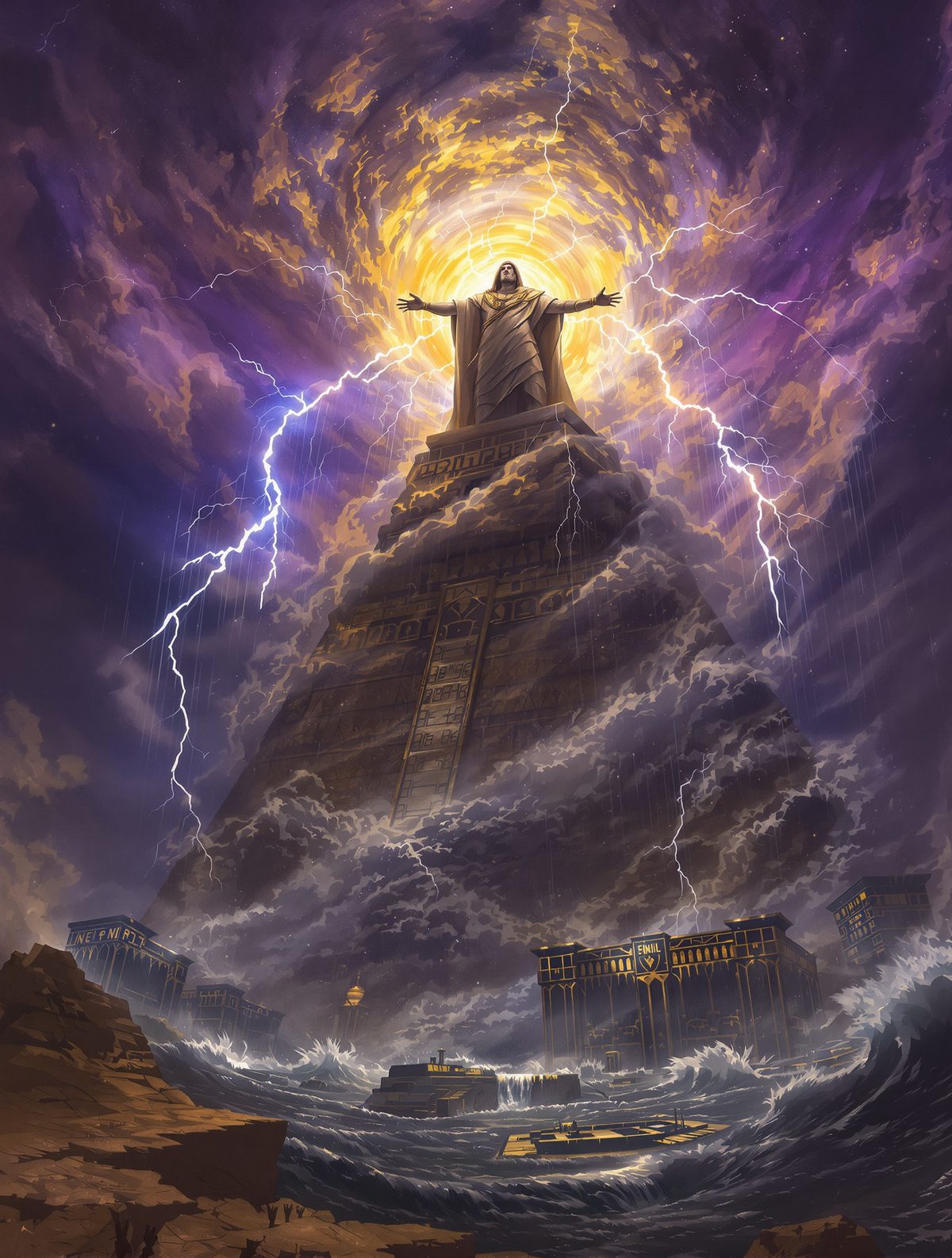
The rain came in torrents, unrelenting and vengeful. The world groaned under the insistent cascade, a deluge sent from the heavens, determined to drown every last whisper of humanity. As the mighty waters rose, engulfing all in their path, a shiver of satisfaction ran through the pantheon of gods. For them, silence had finally come. This is the tale of Enlil, lord of winds and storms, a deity driven to drastic measures by the sounds of human life that shattered divine peace.
The Birth of Humanity: An Unintended Consequence
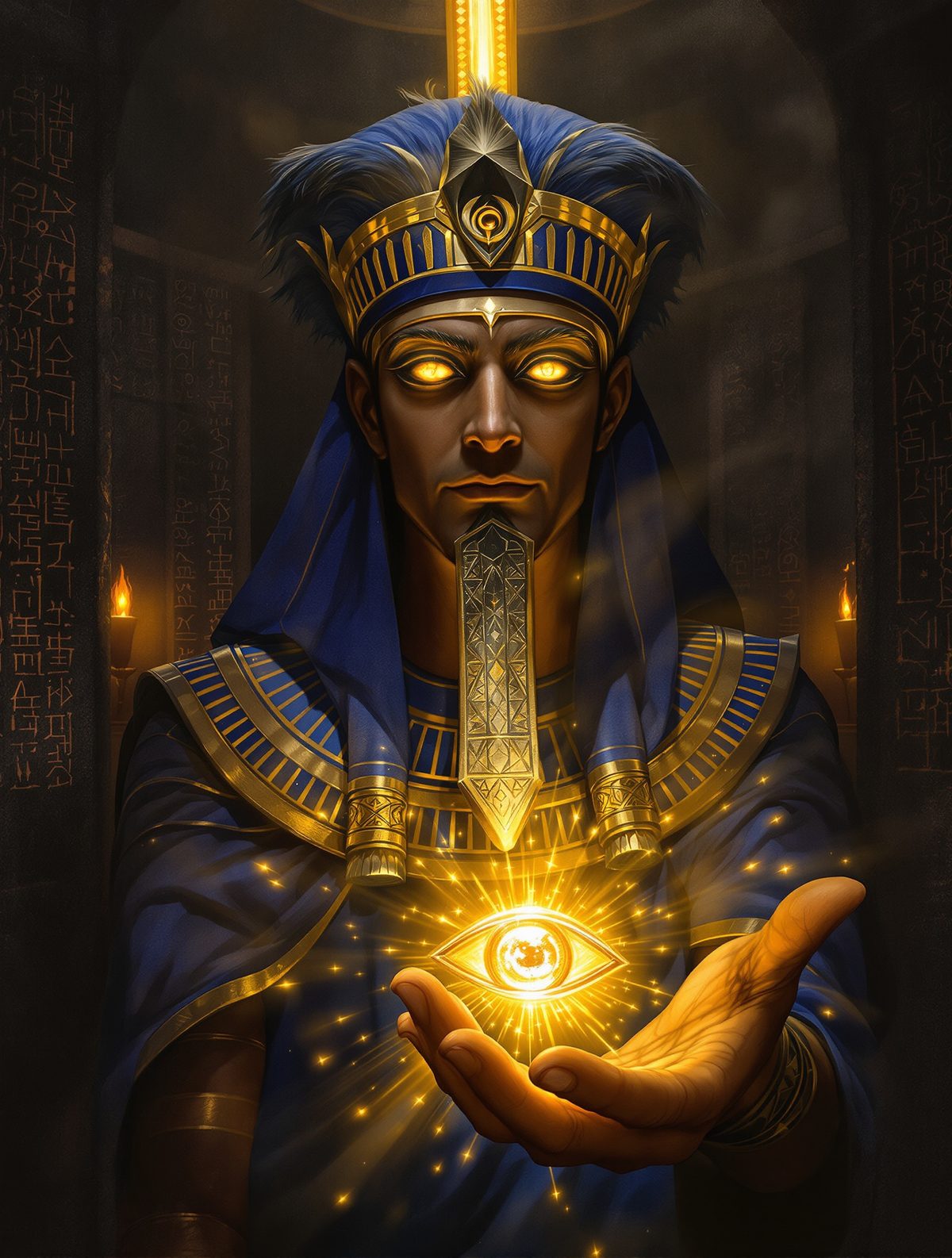
Long before the first floods were unleashed, when Earth was still young, the Anunnaki — the ancient gods of Mesopotamian myth — created humanity from clay. Crafted by the goddess Ninhursag and given life by the breath of Enlil himself, humans were destined to serve the deities, to provide them with sustenance, sacrifices, and praise. At first, the gods relished their new servants, reveling in the offerings and adulations showered upon them.
Yet, as years turned to centuries, the very beings they had shaped became a source of divine irritation. Towns evolved into bustling cities. From the cradle of civilization in Sumer, human noise rose like an unstoppable tide. Laughter, cries, festivals, and music filled the air, a symphony of life and vibrancy. But for Enlil, the chorus was intolerable—a cacophony that invaded his rest and disturbed the harmony of the divine realms.
The Council of the Gods: Enlil's Wrath Unleashed
Enlil's patience wore thin, stretched to its limit by the relentless clamor. A millennium of noise had finally pierced the god's legendary composure. Desperate for respite, Enlil summoned a council of the gods. Among the towering deities assembled were Anu the sky god, Enki the wise, and the compassionate goddess Ninhursag. It was an assembly brimming with power and gravitas, all eyes fixed upon Enlil as he made his decree.
"The clamor of mankind is intolerable," he declared, his voice booming with authority. "Their noise has disturbed my sleep beyond endurance. The only solution is to silence them. We must send a flood to cleanse the earth." There was a hushed murmur among the gods, as some gods stirred with unease. Yet, Enlil's resolve was unshakable, his mind made up.
Here, in the council chambers, was a decision that bore the weight of myth and history. The great flood would be unleashed, a cataclysm that would obliterate human existence without warning or mercy. While other gods hesitated, unsure of the extinction of a species they had shaped with their own hands, Enlil was unyielding. To him, silence was golden, and nothing — not even compassion — would stand in its way.
Enki's Dilemma: The God Who Defied the Flood
Among the divine council, there was one dissenting voice, though whispered and cautious. Enki, the god of water and wisdom, respected his brother Enlil but feared the heavy hand of such judgment. Alone in the depths of the subterranean sea, Enki struggled with the impending annihilation of humanity. Could there be another way? His heart, softer than that of his brethren, ached at the loss of human creativity and spirit.
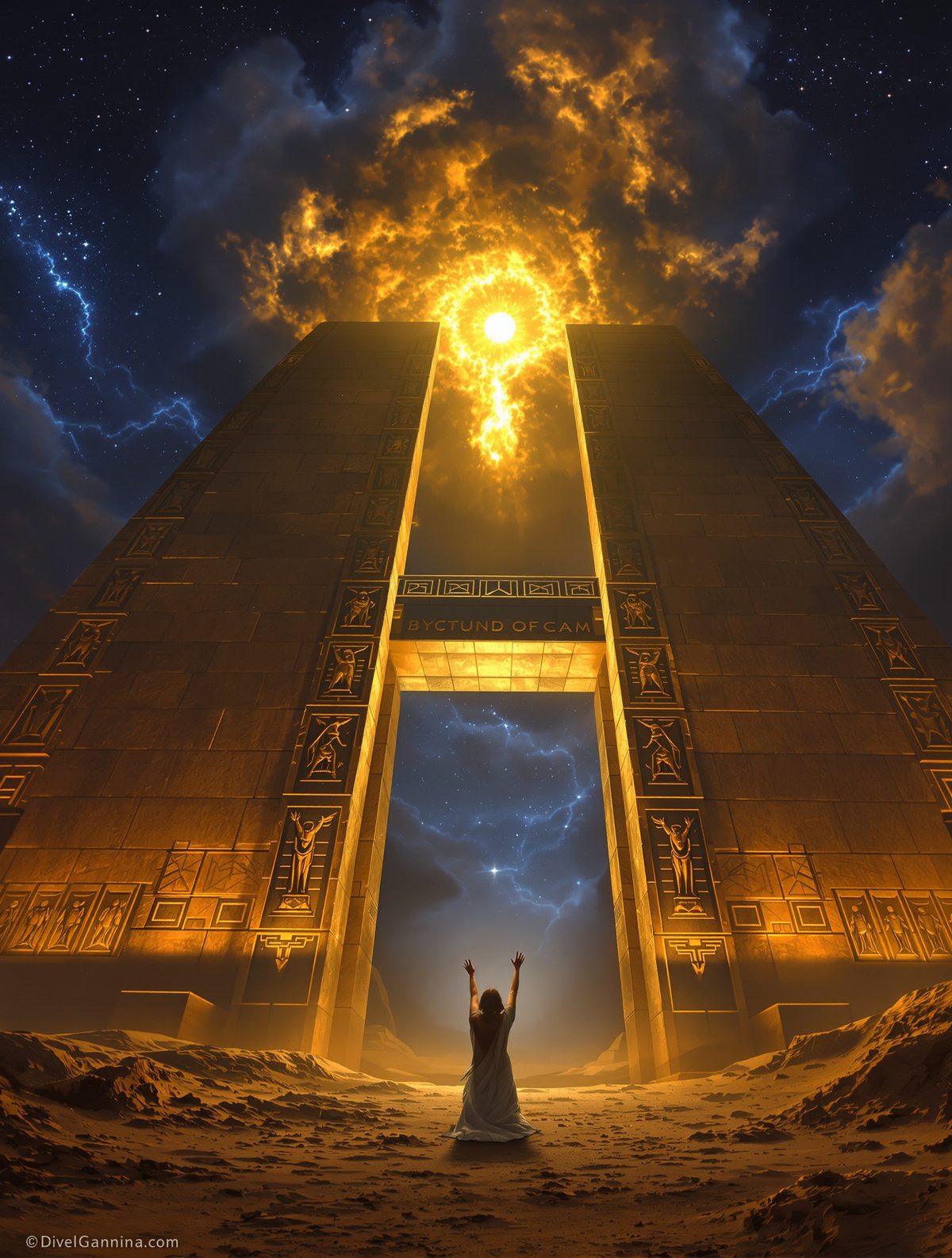
In a daring act of defiance, Enki took a bold step that would tilt the scales of history. He secretly contacted Ziusudra, a humble human king, in a dream. Enki advised him to construct a great boat, a vessel sturdy enough to withstand the coming flood. This was no mere act of rebellion, but a calculated risk — an attempt to preserve life in defiance of Enlil's inexorable decree.
The construction of Ziusudra's ark marked a momentous yet clandestine collaboration between god and man. Through Enki's guidance, humanity's silent savior went about his task, hammer and wood cloaking the whispers of the hidden divine.
The Flood's Fury: A World Transformed
When the deluge began, the skies wept their torrents without pause. For days, rain battered the earth, consuming cities and plains with a hunger of biblical proportions. In this ruinous tempest, humanity's cries were drowned by the roaring elements. Enlil watched, satisfied, as his plan unfolded with uncompromising ferocity.
Yet, amidst this apocalypse, Ziusudra's ark bobbed defiantly upon the waves, a solitary hope against the wrath of a disgruntled god. Inside the sturdy vessel lay the seeds of a new beginning — humans, animals, and plants, all poised to repopulate a washed-clean earth.
When the rains finally subsided, and the sun peeked tentatively through the storm's debris, Ziusudra emerged from his ark and offered a sacrifice to the gods. It was a gesture of gratitude and a plea for reconciliation. The world had been ravaged and reborn, a testament to divine will yet also to the indelible bond between creator and creation.
The Legacy of the Flood: Lessons for Today
The story of Enlil's flood is more than an ancient myth. It tells of divine impatience and human resilience, of cataclysms that reshape civilizations, and the multifaceted nature of existence. Through Enki's compassion and Ziusudra's determination, we glimpse the indomitable spirit that threads through the tapestry of human history.
In today's world, where the din of life seems ever-increasing, where technology and modernity’s buzz echo Enlil’s vexations, we are reminded that balance between creation and destruction is precarious. The flood stands as a warning of what can happen when the cries of the earth go unheard and the voice of restorative wisdom is ignored.
Understanding these myths, their power, and their timelessness brings us closer to the roots of our humanity. It challenges us to listen—to each other, to the planet, and perhaps, to the murmurs of gods long silent but ever-present in the stories we share. Enlil sent his flood, but it is in our hands whether we choose silence or sound. The choice is ours.