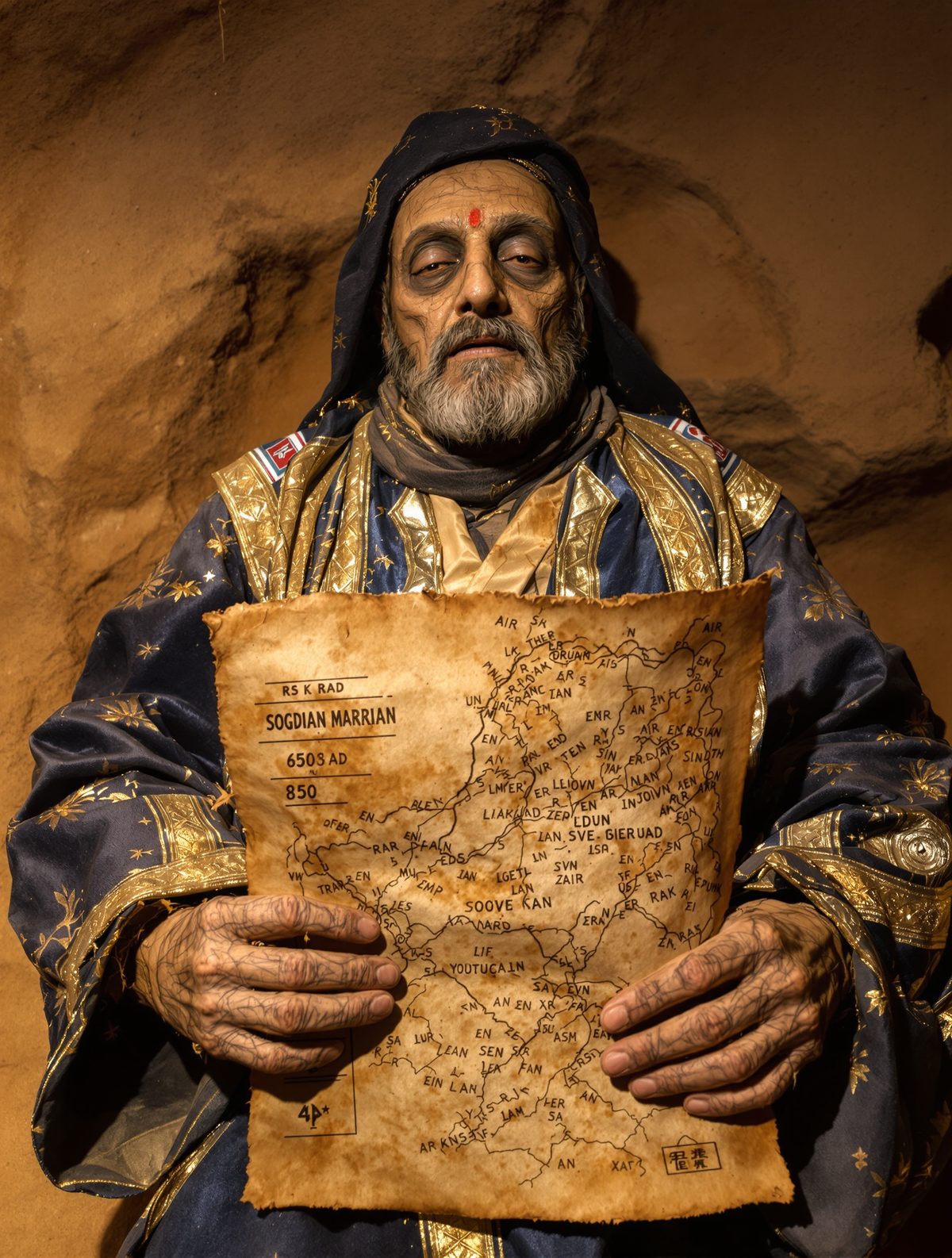
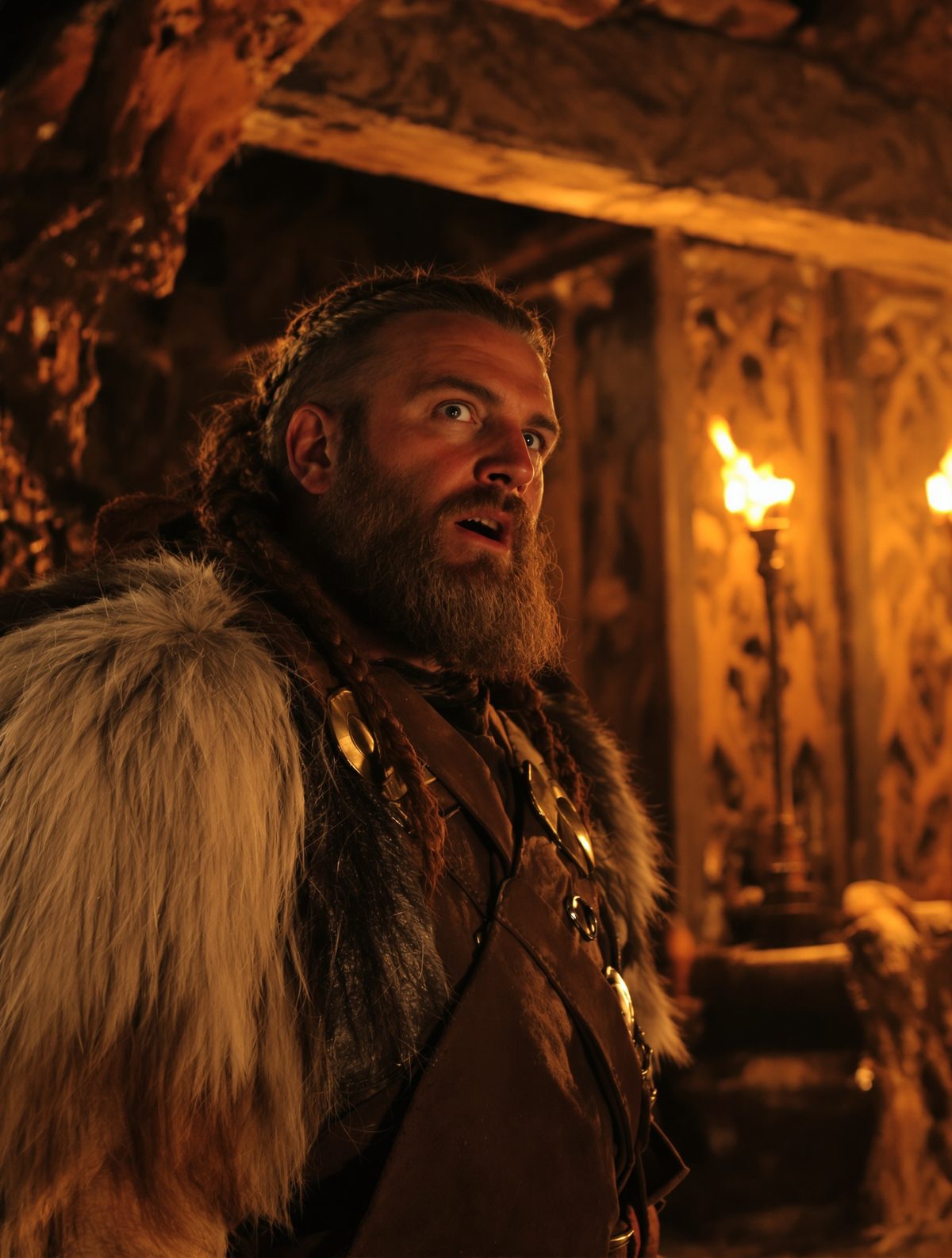
The great hall fell silent as the towering figure of Egill Skallagrímsson was dragged before King Erik Bloodaxe's throne. Outside, the North Sea winds howled against the walls of York's royal fortress, but inside, you could hear a pin drop. The most feared warrior-poet in all of Iceland—a man who had killed his first victim at age seven and composed verses that could make grown Vikings weep—was finally at the mercy of his greatest enemy.
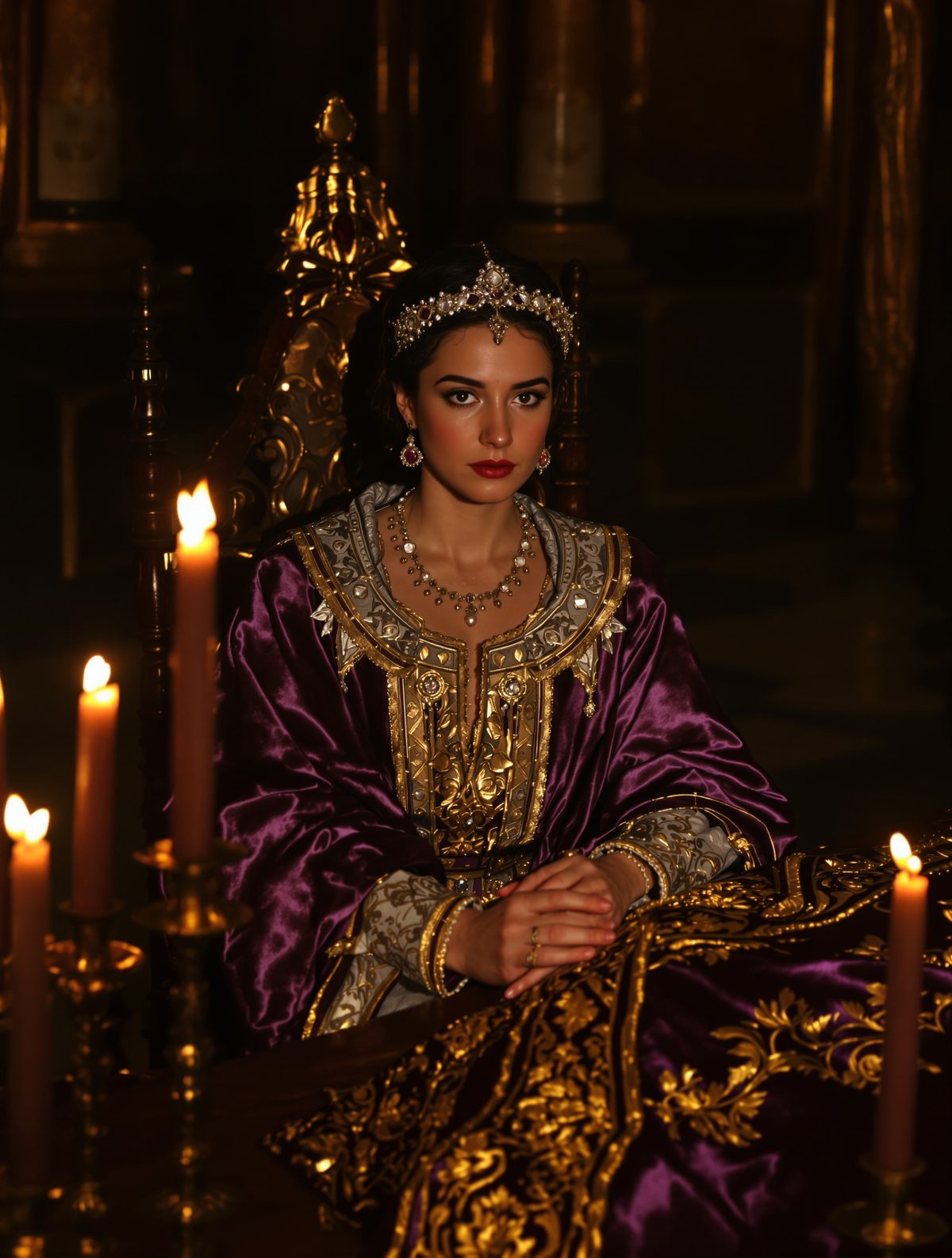
Erik Bloodaxe leaned forward, his scarred hands gripping the carved arms of his throne. For years, this moment had lived in his dreams. Egill had humiliated him, mocked him in verse, and turned half of Norway against him with nothing but words. Now, in 948 AD, the king's judgment was swift and final: death at dawn.
But as the guards prepared to drag Egill to the dungeons, something extraordinary happened. The condemned man asked for one night to compose a poem—not just any poem, but a drápa, a formal praise-poem in honor of the very king who had sentenced him to die.
The Making of a Legend
To understand the sheer audacity of this moment, you need to know who Egill Skallagrímsson really was. Born around 910 AD in Iceland to a family of notorious berserkers, Egill wasn't just large—he was enormous, even by Viking standards. Historical accounts describe him as so massively built that normal weapons looked like toys in his hands. His head was so unusually large that when archaeologists discovered what they believe to be his skull in 1928, it was thick enough that an axe blade barely dented it.
But Egill's true weapon wasn't his strength—it was his silver tongue. In Viking society, skalds (poet-warriors) held a position of immense power. They were the keepers of history, the makers of reputation, and the destroyers of legacies. A skilled skald could immortalize a king's deeds or doom him to be remembered as a coward. Egill was the greatest of them all.
His feud with Erik Bloodaxe had deep roots. It began when Egill's father, Skalla-Grím, refused to bend the knee to Erik's father, King Harald Fine-Hair, during the unification of Norway. The bad blood festered across generations, fueled by Egill's razor-sharp verses that spread like wildfire through the Viking world, mocking Erik's reign and questioning his courage.
A Storm-Tossed Fate
The events that led to Egill's capture read like something from an epic saga—which, in fact, they became. In 948 AD, Egill was sailing back to Iceland after a profitable viking raid when a violent storm drove his ship off course. Of all the places the winds could have taken him, they delivered him straight to the shores of Northumbria—directly into the territory of King Erik Bloodaxe, who had recently been installed as ruler of the Viking kingdom of York by his English allies.
When local fishermen recognized the distinctive figure of Egill Skallagrímsson, word spread quickly to the king's court. Erik could hardly believe his luck. The man who had tormented him with words for decades had literally been delivered into his hands by the gods themselves.
But here's where the story takes an unexpected turn. As Egill stood in chains before his enemy, he didn't beg for mercy or rage against his fate. Instead, he made an offer that left the entire court speechless: give him one night, and he would compose a praise-poem so magnificent that Erik's name would be remembered forever.
The Power of the Praise-Poem
To modern ears, offering to write a poem might sound like a desperate, almost comical gesture. But in Viking culture, this was deadly serious business. A drápa wasn't just any poem—it was the highest form of skaldic art, a complex, intricately woven tribute that could take even master poets weeks to perfect. These weren't simple rhymes; they were elaborate puzzles of language, packed with mythological references, intricate wordplay, and metaphors so complex they required deep cultural knowledge to decode.
More importantly, praise-poems had real political power. Kings paid enormous sums for them because they understood something we've largely forgotten: in a world without mass media, poets were the ultimate influencers. A great praise-poem could spread a ruler's reputation across the known world. It could transform a minor king into a legendary hero, spoken of with reverence in halls from Dublin to Constantinople.
Erik Bloodaxe faced a fascinating dilemma. Execute Egill, and he'd rid himself of his greatest tormentor—but he'd also destroy the one man capable of crafting a poem that could secure his legacy forever. The king's advisors were split. Some urged him to carry out the execution immediately, before Egill could work whatever verbal magic he was planning. Others whispered that perhaps this was an opportunity sent by the gods themselves.
One Night to Live Forever
Erik granted Egill his request, but with conditions that would have broken lesser men. The poet had until dawn to compose twenty stanzas—a full formal drápa—in perfect meter, with flawless alliteration, and content worthy of a king. One mistake, one clumsy line, one hint of mockery hidden in the verses, and his death would be even more painful than originally planned.
As Egill was led to a small chamber to work, an extraordinary scene unfolded. Word of the condemned poet's challenge had spread throughout York, and Vikings began gathering outside the royal hall. Many had grown up hearing Egill's verses recited around hearth-fires. They knew they were potentially witnessing the creation of a masterpiece—or the final failure of a legend.
Through the long winter night, Egill worked by flickering candlelight. This wasn't just about crafting clever words; it was about walking an impossible tightrope. The poem had to be genuine praise—anything that sounded forced or sarcastic would mean instant death. But it also had to be so magnificent, so undeniably brilliant, that Erik would be compelled to spare the life of his greatest enemy.
The poem Egill created that night, known as Höfuðlausn (literally "Head-Ransom"), was unlike anything he had ever written. Gone was his trademark biting wit, replaced by soaring imagery that painted Erik as a gold-generous ring-giver, a fierce warrior whose sword sang with the voices of fallen enemies, a king whose ships cut through waves like dragons through clouds.
Dawn's Verdict
As the first light of dawn crept through the windows of the great hall, Egill was brought before Erik's throne once more. The king sat in silence, surrounded by his advisors, while gathered Vikings packed every available space. The air was thick with tension—everyone knew they were about to witness something unprecedented in Viking history.
When Egill began to recite, his deep voice filled the hall like thunder. Each stanza built upon the last, creating an intricate tapestry of praise that elevated Erik from mere mortal king to mythic hero. The poem was a masterwork of skaldic art, so complex and beautiful that even Erik's most hardened warriors found themselves moved by its power.
But the most remarkable thing about Höfuðlausn wasn't its technical brilliance—it was its complete sincerity. Somehow, in the space of a single night, Egill had found genuine admiration for the man who wanted him dead. He praised Erik's courage in battle, his generosity to his followers, and his noble bearing as a king. There wasn't a trace of mockery or hidden insult to be found anywhere in the twenty stanzas.
When the last line faded into silence, King Erik Bloodaxe sat motionless for what felt like an eternity. Finally, he rose from his throne and spoke words that would echo through Viking legend: "The poem is well-crafted, and your life is your own again."
The Eternal Power of Words
Egill Skallagrímsson walked free that morning, but the impact of his Höfuðlausn reached far beyond a single life spared. In choosing to honor his enemy with genuine artistry rather than clever trickery, Egill had demonstrated something profound about the transformative power of language. His poem didn't just save his life—it created a bond of mutual respect between two men who had been bitter enemies for decades.
The story resonates today because it reveals a timeless truth: words have the power not just to wound or flatter, but to fundamentally change how we see each other. In our age of social media feuds and viral takedowns, Egill's choice to use his final night crafting sincere praise rather than clever insults offers a lesson in the redemptive potential of language.
More than a thousand years later, both men are remembered not for their hatred of each other, but for this single moment when poetry transformed enemies into legends. Egill's Höfuðlausn survived to inspire countless other poets, while Erik Bloodaxe achieved the immortal fame he craved—not through conquest, but through the magnanimity he showed in sparing his greatest critic.
In a world where words are weapons and reputations can be destroyed with a tweet, perhaps there's something to be learned from a Viking warrior who chose praise over poison, and a king who chose mercy over revenge. Sometimes the most powerful victory isn't crushing your enemies—it's turning them into the authors of your legend.