Imagine a world where death simply... stopped. Where warriors fell in battle only to rise again, confused and unharmed. Where the elderly lingered indefinitely, neither living nor dying. Where the natural cycle that governs all existence ground to a terrifying halt. This wasn't science fiction—according to ancient Greek sources, it actually happened, and it was all thanks to one man's audacious gamble against the gods themselves.
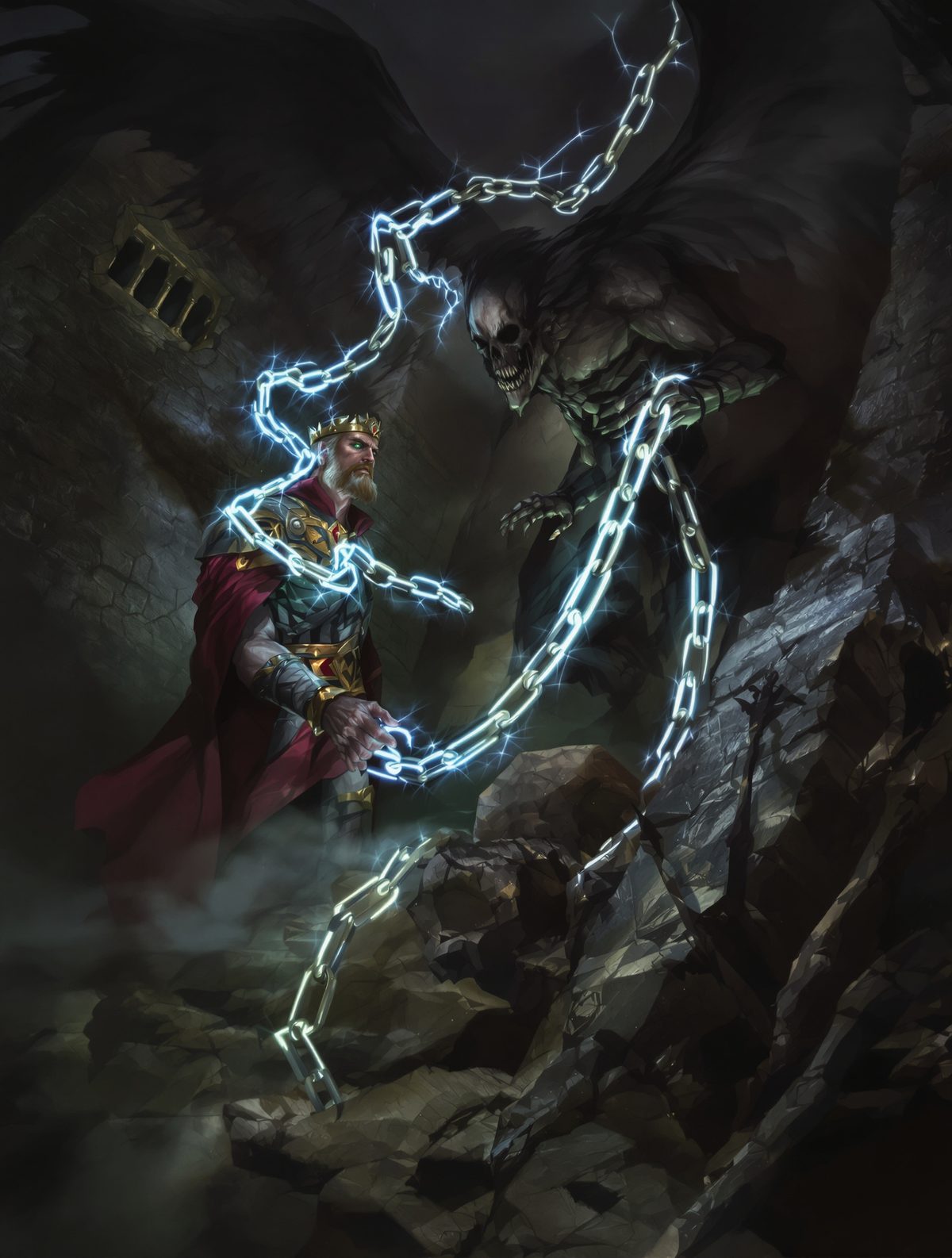
That man was Sisyphus, King of Corinth, and what he accomplished was so shocking that it shattered the very foundations of divine order. When Death personified came knocking at his door, Sisyphus didn't beg for mercy or accept his fate. Instead, he did something no mortal had ever dared attempt: he captured Death himself and locked him away in chains.
The King Who Outsmarted the Gods
Sisyphus wasn't your average Bronze Age monarch. Ruling Corinth around the 13th century BCE, he had built his reputation on cunning that bordered on the supernatural. Ancient sources describe him as "the craftiest of men," a ruler who had repeatedly outwitted gods and mortals alike. He had exposed Zeus's affair with the river nymph Aegina, tricked the river god Asopus, and even managed to escape from the underworld once before—a feat considered impossible by mere mortals.
But Sisyphus had finally pushed his luck too far. His constant scheming and disrespect for divine authority had earned him a death sentence from Zeus himself. The king of the gods dispatched Thanatos—Death personified—to drag the troublesome mortal to Hades where he belonged.
What happened next defied every law of divine and natural order. When the dark-winged figure of Thanatos appeared in Sisyphus's palace, most mortals would have fallen to their knees in terror. Death was no minor deity to be trifled with—he was one of the primordial forces, born from Nyx (Night) herself, wielding power over every living thing in creation.
The Impossible Trap
Instead of cowering, Sisyphus greeted Thanatos with curiosity and feigned admiration. The exact method of the trap varies between ancient sources, but the most compelling version suggests that Sisyphus convinced Death to demonstrate the very chains meant to bind the king's soul. "Surely such magnificent shackles deserve to be shown off," the king might have said, appealing to divine pride.
Other versions claim Sisyphus challenged Thanatos to prove his divine strength by testing whether the chains could hold even Death himself. The prideful god, never imagining a mortal could pose any threat, agreed to the demonstration. In that moment of divine overconfidence, Sisyphus struck with lightning speed, turning the binding ritual against Death himself.
Picture the scene: in the flickering torchlight of a Corinthian palace, the most feared entity in all creation found himself trapped by his own instruments of divine justice. The chains that had bound countless souls to their fate now held their master prisoner. Death himself had been defeated by mortal cunning.
When Death Stopped Working
The consequences were immediate and catastrophic. With Thanatos chained in Sisyphus's dungeon, death ceased to function throughout the mortal world. Ancient sources describe the chaos that followed: warriors would fall in battle with fatal wounds, only to continue fighting, unable to cross into the afterlife. The elderly lingered in bodies that should have failed, trapped in a liminal state between life and death.
But the crisis extended far beyond human suffering. The entire sacrificial system that maintained relationships between gods and mortals collapsed overnight. How could mortals offer blood sacrifices to the gods when the animals refused to die? How could heroes achieve glory in death when death itself was impossible?
Most critically affected was Hades, god of the underworld, who watched his realm empty as no new souls could cross the river Styx. The carefully maintained balance between the world of the living and the dead—a cosmic order that had existed since the beginning of time—lay shattered by one man's refusal to accept his fate.
The God of War Intervenes
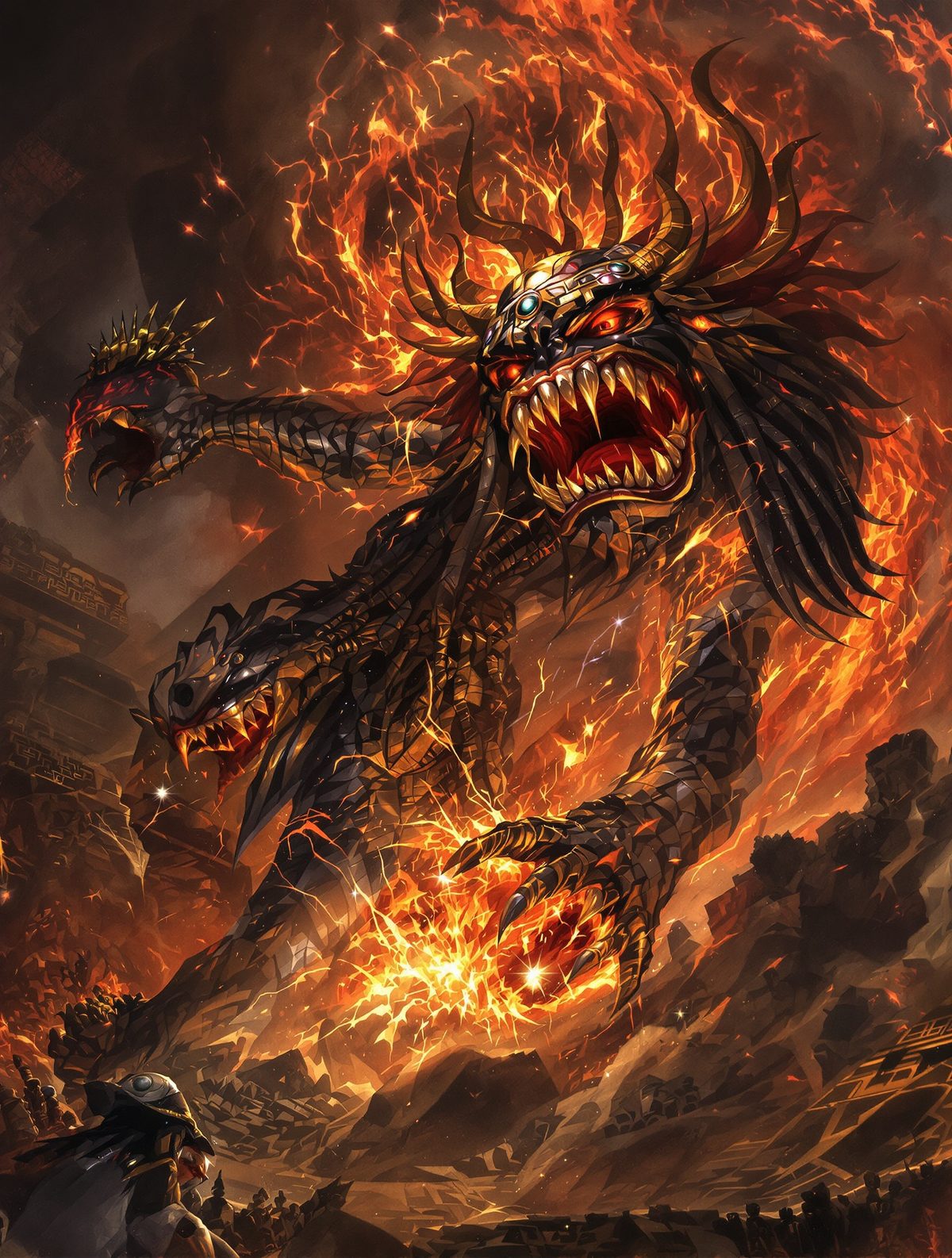
Surprisingly, it wasn't Zeus or Hades who ultimately resolved the crisis, but Ares, the god of war. While this might seem random, it makes perfect sense when you consider the situation. War had become meaningless when warriors couldn't die. Battles turned into endless, pointless struggles where victory was impossible and defeat held no consequences.
For Ares, whose very existence depended on the glorious deaths of warriors, Sisyphus's trick was nothing short of an existential threat. Ancient sources suggest that Ares stormed into Corinth in a rage that shook the very foundations of the city. The god of war had come not just to free Death, but to restore meaning to conflict itself.
The confrontation between Ares and Sisyphus represents one of mythology's most fascinating reversals: the god of war fighting not to bring death, but to restore it. Ares freed Thanatos from his chains and immediately delivered Sisyphus to the underworld—though even then, the crafty king had one more trick up his sleeve.
The Escape Artist's Final Gambit
Even in Hades, Sisyphus refused to accept defeat. Before his "death," he had instructed his wife Merope not to perform the proper burial rites, leaving his soul in a liminal state. When he appeared before Hades and Persephone in the underworld, he played the role of the wronged husband, claiming he needed to return to the world of the living to ensure his wife performed her proper duties.
Remarkably, this excuse actually worked. Hades, perhaps still rattled by the chaos Sisyphus had caused, granted permission for the king to return temporarily to set his affairs in order. Once back in Corinth, Sisyphus promptly ignored his promise and lived for several more years before Death finally claimed him permanently.
His punishment, when it finally came, was as eternal as it was symbolic: rolling a boulder up a mountain for all eternity, only to watch it roll back down each time he neared the summit. The man who had disrupted the natural cycle of death was condemned to his own endless, meaningless cycle.
Why This Legend Still Matters
The story of Sisyphus chaining Death reveals something profound about ancient Greek thinking—and perhaps about human nature itself. It's not really a story about death at all, but about the dangerous seduction of believing we can control the uncontrollable.
In our modern age, we're still chasing our own versions of Sisyphus's gambit. We spend billions trying to hack aging, defeat disease, and extend life indefinitely. We rage against the fundamental limitations of human existence, convinced that enough cleverness can overcome any natural law. But the Greeks understood something we often forget: some boundaries exist not to limit us, but to give meaning to everything within them.
Perhaps most remarkably, this ancient tale predicted something we're only now beginning to understand scientifically: that death isn't just an ending, but an essential component of life itself. Without death, there can be no renewal, no evolution, no meaning to the time we have. Sisyphus thought he was winning the ultimate victory, but he had actually created the ultimate hell—not just for himself, but for everyone.
The legend reminds us that even our greatest triumphs over natural law come with a price, and sometimes the cost of victory is far higher than the price of acceptance. In chaining Death, Sisyphus didn't defeat fate—he simply delayed it while making everything else meaningless in the process.