The thunder rolled across the ancient Yoruba kingdom like the voice of an angry god—which, in this case, it was. High above the earth, Shango, the mighty lord of lightning and divine justice, gripped his thunderstone with trembling hands. His palace subjects had dared to rebel against his authority, and his legendary temper burned hotter than the forge fires of Ogun himself. What happened next would become one of the most tragic tales in all of African mythology—a reminder that even gods are not immune to the devastating consequences of unchecked rage.
The King Who Became Thunder
To understand this catastrophe, we must first understand Shango himself. Unlike many mythological figures whose origins blur into the mists of time, Shango was likely based on a real historical king who ruled the ancient Oyo Empire sometime around the 15th century. The historical Shango—known as Shango Jakuta—was the fourth Alaafin (king) of Oyo, a powerful West African kingdom that would eventually span much of present-day Nigeria, Benin, and Togo.
But this was no ordinary monarch. Historical accounts describe Shango as a ruler of extraordinary charisma and terrifying power, known for his fierce justice and explosive temper. When he died—some say by suicide after a palace revolt, others claim he ascended directly to the heavens—his legend began to transform. The Yoruba people, numbering over 40 million today across West Africa and the diaspora, deified their fallen king, elevating him to become Orisha Shango, the god of thunder, lightning, fire, and divine justice.
As an Orisha, Shango wielded weapons that could shake the very foundations of the earth. His double-headed axe, the oshe, could split mountains. His thunder drums could be heard across three kingdoms. But his most fearsome weapon was his thunderstone—edun ara—meteoric rocks charged with celestial fire that he could hurl from the heavens with devastating accuracy.
A Palace in Rebellion
The palace of Shango was no humble dwelling. Ancient Yoruba royal complexes were sprawling affairs, more like small cities than single buildings. Archaeological evidence from sites like Old Oyo suggests these palaces could house thousands of people—wives, children, servants, soldiers, and courtiers—all within high walls that enclosed dozens of courtyards, shrines, and residential quarters.
According to the oral traditions passed down through centuries of Yoruba babalawo (priests) and griot storytellers, Shango's divine palace mirrored these earthly designs but surpassed them in magnificence. Its walls gleamed with copper and brass, its courtyards flowed with honey and palm wine, and its towers reached toward the realm of Olodumare, the supreme god.
But even paradise can breed discontent. The myth tells us that some of Shango's subjects—perhaps emboldened by his extended absences while dispensing justice across the mortal realm—began to question his authority. They whispered that his punishments were too harsh, his demands too great. Some versions of the story suggest they were led by rival Orisha who envied Shango's power over the dramatic forces of storm and fire.
What's particularly fascinating is how this mythological rebellion mirrors real patterns in Yoruba political history. The Oyo Empire was frequently wracked by palace coups and succession disputes. The Ogboni society—a powerful council of chiefs—regularly challenged royal authority, and several historical kings met violent ends when they overreached their bounds.
When Gods See Red
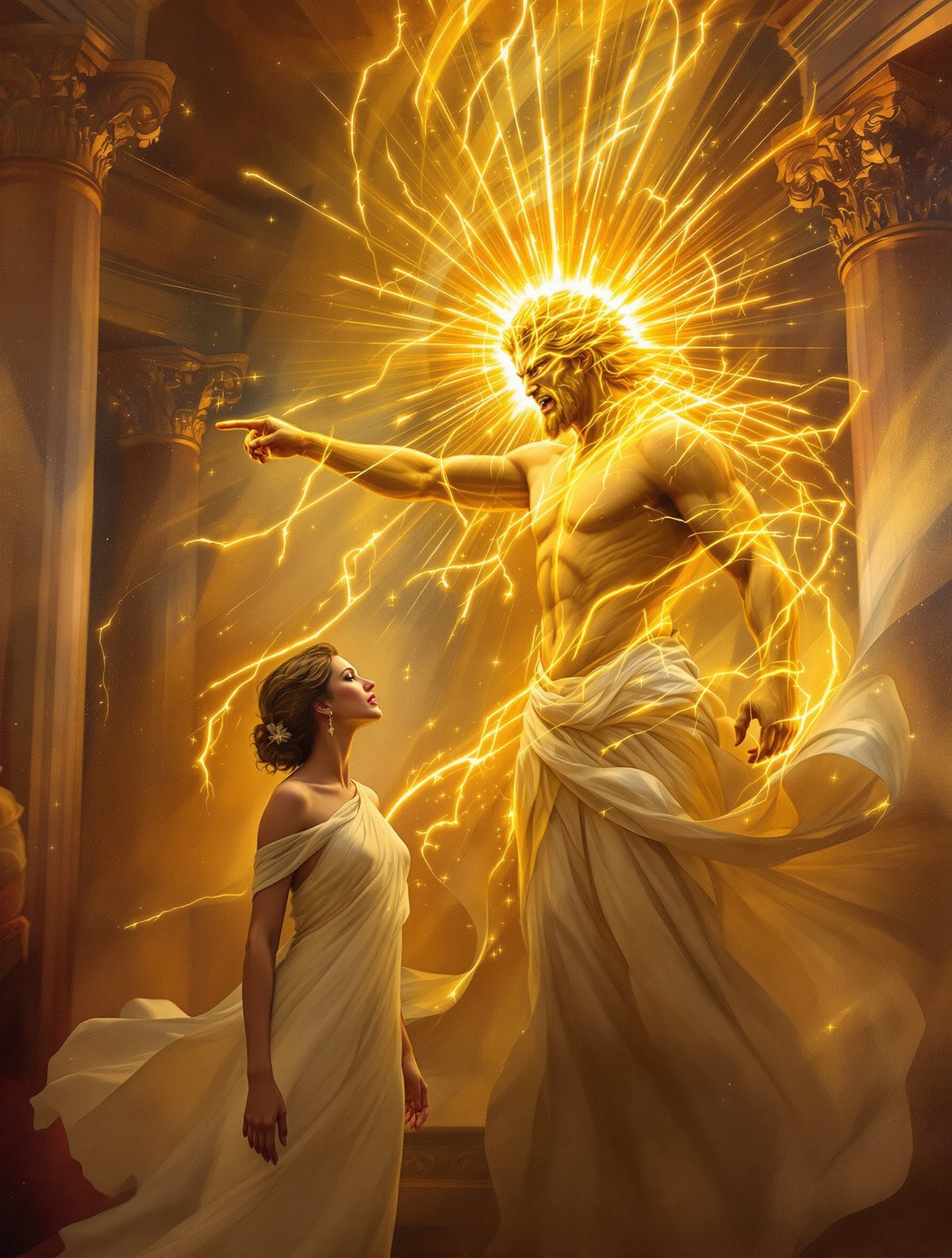
Shango's rage, when it came, was legendary even by divine standards. The Yoruba have over twenty different words for anger, reflecting the sophisticated understanding of this emotion in their culture. But Shango's wrath was ibinu elevated to cosmic proportions—a fury so complete it threatened to tear holes in the fabric of reality itself.
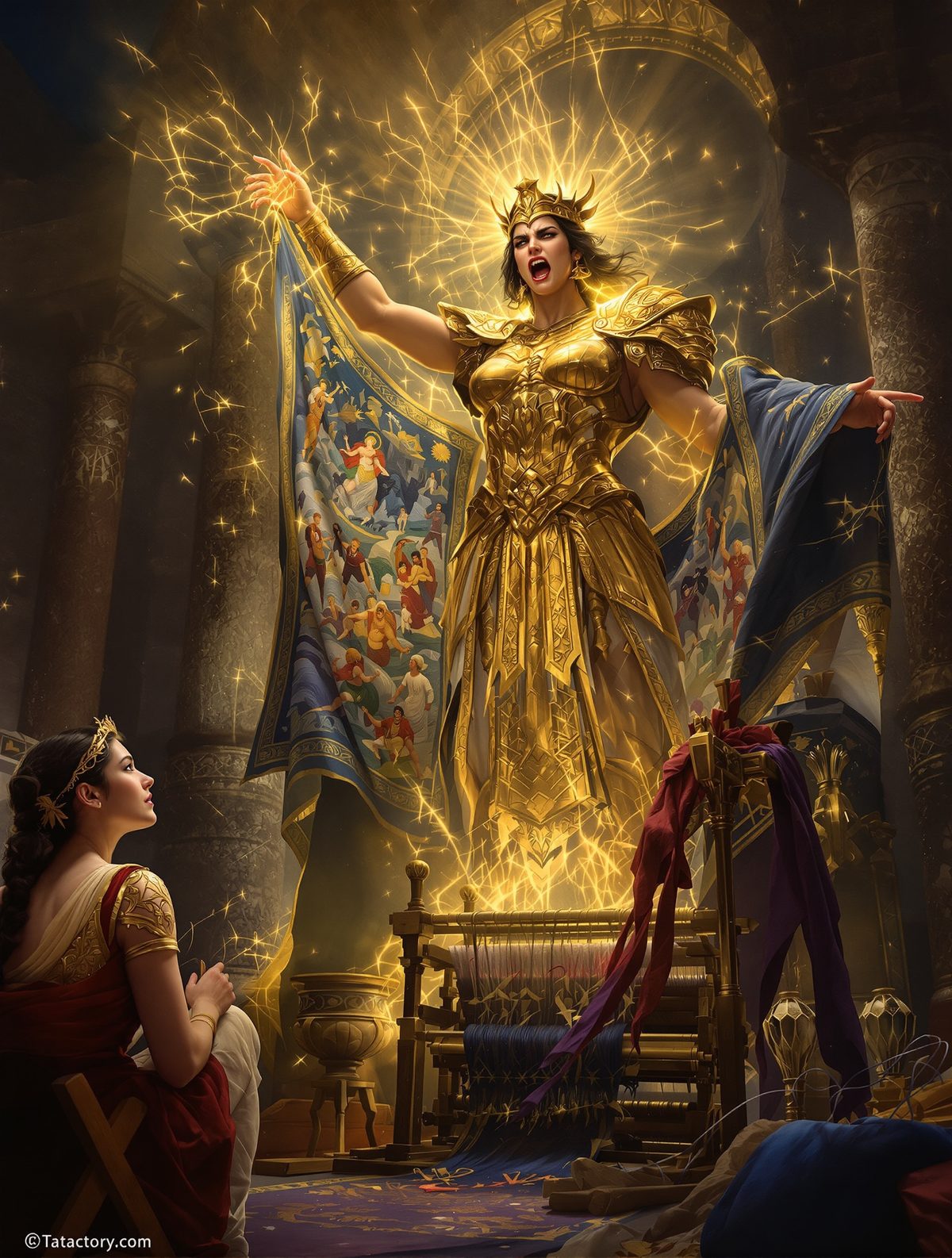
Picture the scene: storm clouds gathering with supernatural speed, turning day to night in moments. Lightning crackling not in random forks but in deliberate, angry patterns across the sky. The very air itself seeming to vibrate with barely contained violence. This was Shango preparing for war against those who dared defy him.
In Yoruba cosmology, thunderstones aren't merely meteorites—they're solidified divine rage, pieces of heaven's own fury made manifest in stone and metal. When babalawo find these stones after lightning strikes (often prehistoric stone axes or unusual rocks), they're treated as sacred objects, capable of channeling Shango's power for protection or justice.
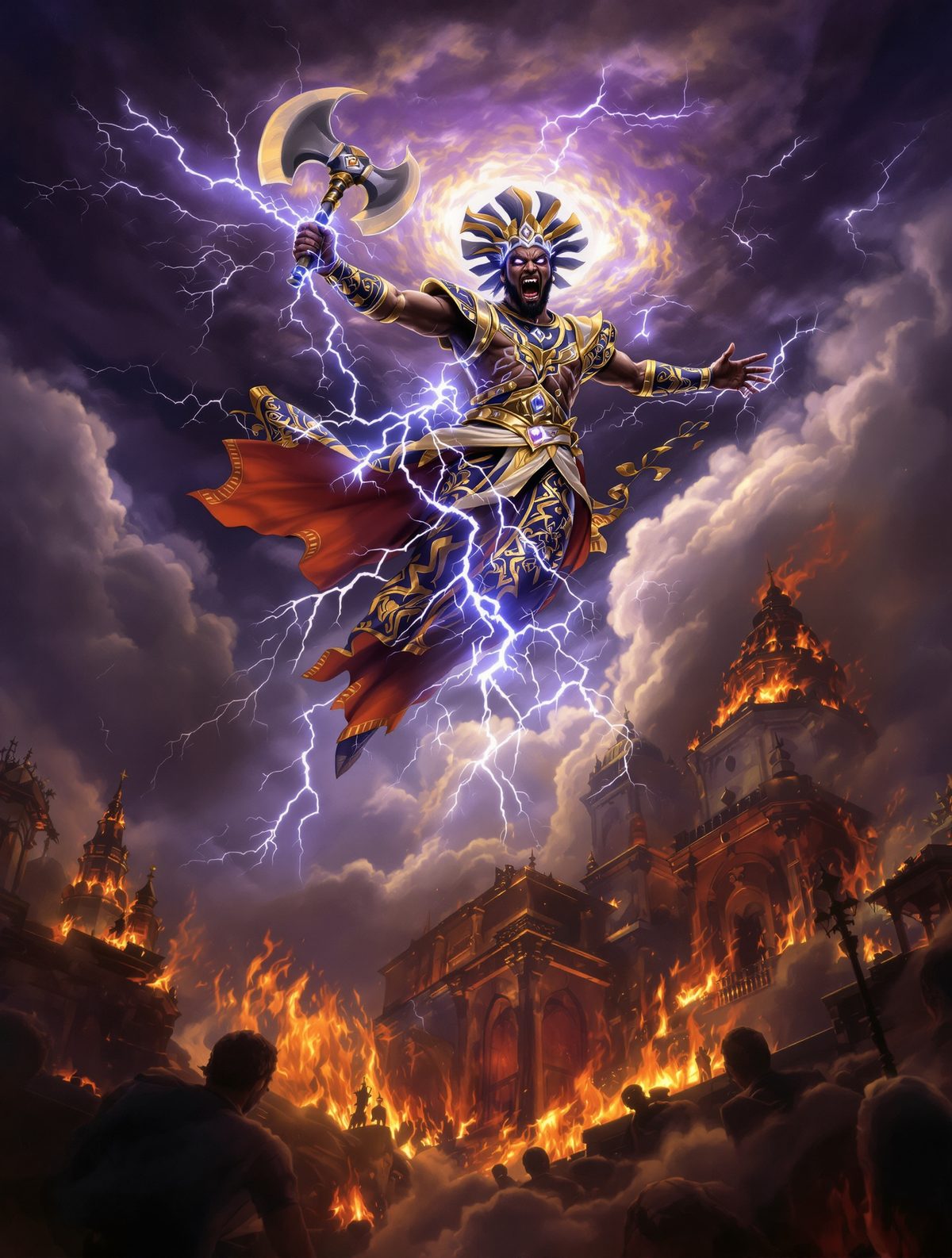
The thunderstone Shango grasped on that fateful day was said to be the size of a grinding stone, crackling with blue-white energy and hot enough to melt bronze. As he drew back his arm to hurl it at the rebellious quarters of his palace, the other Orisha themselves are said to have fallen silent, sensing that something terrible was about to unfold.
The Throw That Shook Heaven
What happened next varies depending on which version of the myth you encounter—a reminder that oral traditions evolve and branch like living trees. Some storytellers say Shango's rage blinded him, causing his aim to go astray. Others suggest that one of his enemies deflected the thunderstone with powerful magic, redirecting it toward the wrong target. Still others claim it was the will of Olodumare himself, teaching the thunder god a harsh lesson about the dangers of unchecked power.
But all versions agree on the result: instead of striking the rebellious quarters of his palace, the thunderstone smashed directly into the residential wing where his wives and children lived.
The explosion, according to the myths, could be heard from the land of the ancestors to the realm of the unborn. Flames erupted that burned hotter than earthly fire, consuming everything they touched. The very stones of the palace cracked and melted. And when the smoke finally cleared, Shango's beloved family lay dead in the ruins.
This detail—the misdirected aim—reveals something profound about Yoruba philosophy. Unlike mythological traditions that portray gods as infallible, Yoruba Orisha are magnificently, tragically human in their flaws. They make mistakes. They suffer consequences. They learn—sometimes too late—from their errors.
A God's Grief
The aftermath of the tragedy transformed Shango from a figure of terrible power into something more complex—a deity shaped by profound loss. The myths describe his grief as a force of nature unto itself, his tears falling as acid rain, his sobs shaking the earth like earthquakes.
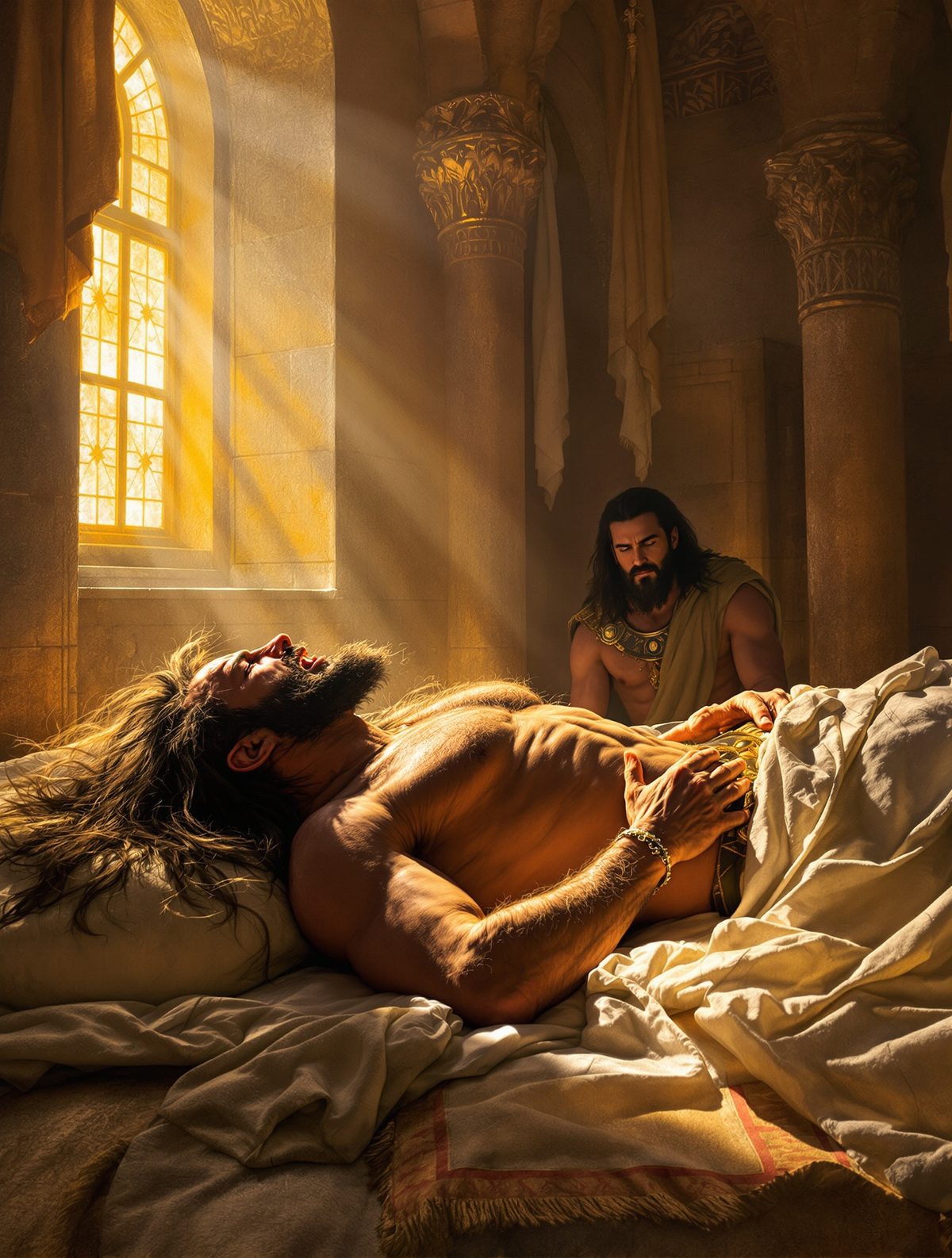
Some versions tell us he immediately abandoned his throne, unable to bear the sight of what his rage had wrought. Others say he spent seven years in exile, wandering the earth and learning humility from mortal men and women who had also lost everything. The most poignant versions describe him carefully gathering the ashes of his family, mixing them with clay to create the first sacred edun ara stones—thunderstones that would never again be used in anger, but only for protection and healing.
This transformation reflects a sophisticated understanding of justice that runs deep in Yoruba culture. Ogbon—wisdom—is prized above raw power. A leader who cannot control themselves is no leader at all. Even divine authority must be tempered with compassion and self-awareness.
When Shango finally returned to his role as the Orisha of justice, he was changed. His punishments, while still swift and decisive, were never again delivered in pure rage. He became known for giving mortals multiple warnings before striking, for seeking to correct rather than merely punish, for understanding that the greatest enemy of justice is often the very passion that drives us to seek it.
Thunder Lessons for Modern Times
Why does this ancient African myth still resonate today, centuries after it was first told around fires in Yoruba villages? Perhaps because it speaks to a timeless human truth: that power without wisdom is ultimately self-destructive, and that our greatest strengths can become our most dangerous weaknesses when we lose control of them.
In our age of social media outrage and instant reactions, Shango's tragedy offers a sobering reminder. How many relationships have been destroyed by words thrown in anger? How many careers ended by decisions made in the heat of passion? How many communities torn apart by leaders who confused strength with the inability to control their temper?
The Yoruba people, who survived the horrors of the Atlantic slave trade and carried their traditions across oceans, understood something vital: even gods must learn to master themselves. In Brazil, Cuba, Trinidad, and New York, millions still honor Shango—but it's the transformed Shango they celebrate, the one who learned that true power lies not in the ability to destroy, but in the wisdom to know when not to use the thunderstone at all.
The legend reminds us that the most important battles we fight are often the ones within ourselves—and that sometimes, the greatest act of strength is simply putting down our weapons and walking away.