In the shadowed corners of a magnificent cedar palace in ancient Uruk, a wild man turned hero bolted upright from his sleep, cold sweat beading on his brow. Enkidu—once a beast among beasts, now the closest companion to the world's mightiest king—had just witnessed his own death in a dream so vivid it felt like prophecy. The gods themselves had visited his slumber to deliver their judgment: he would die for his role in slaying the Bull of Heaven. What he didn't know was that this divine death sentence would become one of humanity's first and most profound meditations on friendship, mortality, and the price of defying the heavens.
The Wild Man Who Shook Heaven's Foundation
To understand the magnitude of Enkidu's crime, we must first grasp just how extraordinary his transformation had been. Created by the goddess Aruru from clay and divine spit around 2700 BCE, Enkidu was originally designed as a weapon—a wild man strong enough to challenge the tyrannical King Gilgamesh of Uruk. For years, this hair-covered giant roamed the steppes of ancient Mesopotamia, living among gazelles and wild bulls, drinking from streams on all fours, and protecting animals from human hunters.
The Sumerian texts describe Enkidu's initial form in terms that would make modern readers think of Bigfoot or the mythical Wild Man of medieval European folklore. He was "shaggy with hair like a woman's, with locks that sprouted like those of Nisaba, the grain goddess." His strength was legendary—he could fill in hunters' pits with his bare hands and tear apart their traps as easily as snapping twigs.
But here's what the textbooks rarely mention: Enkidu's transformation from beast to man wasn't gradual. It happened over the course of six days and seven nights with a sacred prostitute named Shamhat. This wasn't merely a story about sexual awakening—it was a complete rewiring of consciousness. After their encounter, the very animals he had lived among fled from him. His innocence was gone forever, replaced by human knowledge, human desires, and crucially, human defiance of divine will.
Brothers in Arms Against Heaven's Wrath
When Enkidu finally met Gilgamesh in the streets of Uruk, their initial battle was so fierce it shook buildings and cracked the earth. Yet this combat became the foundation of the ancient world's most celebrated friendship. Together, they were unstoppable—slaying the monster Humbaba in the Cedar Forest and returning to Uruk as heroes whose fame echoed across the known world.
It was this very fame that sealed their doom. The goddess Ishtar, patron deity of Uruk and goddess of love and war, was so impressed by Gilgamesh's prowess that she offered to become his lover. But Gilgamesh, with Enkidu's counsel, committed what may be history's first recorded case of spectacularly bad judgment. He didn't just decline Ishtar's offer—he publicly humiliated her, listing her previous lovers and their grisly fates in excruciating detail.
The rejection was devastating enough, but the public nature of the insult before the citizens of Uruk transformed a goddess's wounded pride into divine fury. Ishtar stormed to her father Anu, the sky god, demanding the Bull of Heaven as her instrument of vengeance. This wasn't just any monster—the Bull of Heaven was a cosmic force of destruction, capable of killing hundreds with each snort of its breath.
The Battle That Broke the Cosmic Order
When the Bull of Heaven descended to earth, its arrival was apocalyptic. The beast's first breath killed a hundred men of Uruk. Its second killed two hundred more. Each snort opened enormous pits in the earth—chasms so wide that entire companies of warriors fell to their deaths. The cuneiform tablets describe the bull's roar as being so powerful that the city walls cracked and the Euphrates River changed course.
But here's the detail that makes this story remarkable: Gilgamesh and Enkidu didn't defeat the bull through brute strength alone. They used teamwork with almost modern tactical precision. While Gilgamesh distracted the beast from the front, Enkidu—still retaining some of his wild instincts—grabbed the bull by its tail and horns, immobilizing it long enough for his friend to drive a sword between its neck and shoulders.
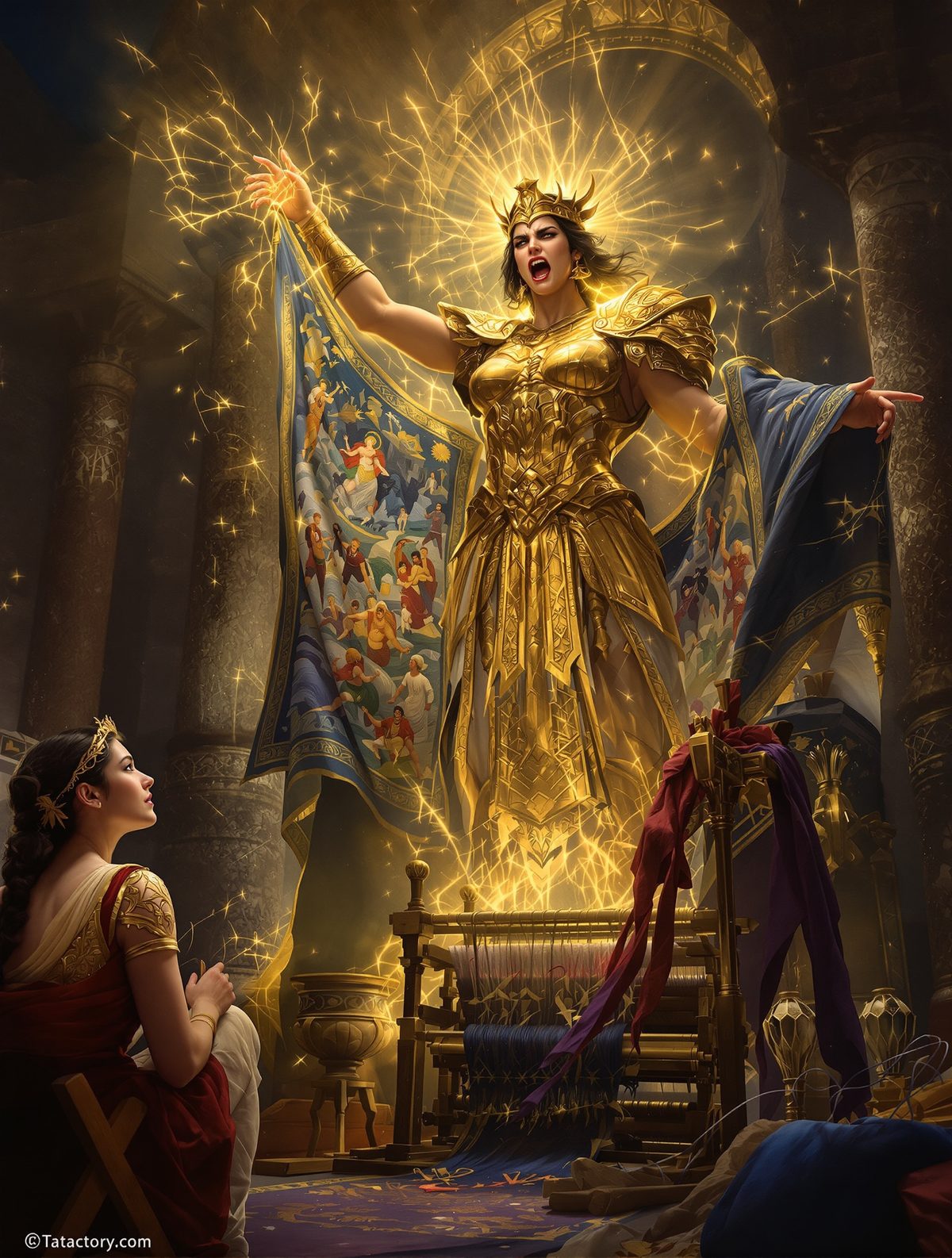
The killing blow came from Enkidu himself. As the Bull of Heaven thrashed in its death throes, it was the former wild man who delivered the final strike. But their victory celebration would prove catastrophically premature. In a moment of triumph-drunk arrogance, Enkidu tore off the bull's right thigh and hurled it at Ishtar herself, who had appeared on the walls of Uruk to witness her instrument of revenge. "If I could reach you," he shouted, "I would do the same to you!"
This wasn't just killing a divine beast—this was open mockery of the gods themselves.
The Divine Council's Terrible Judgment
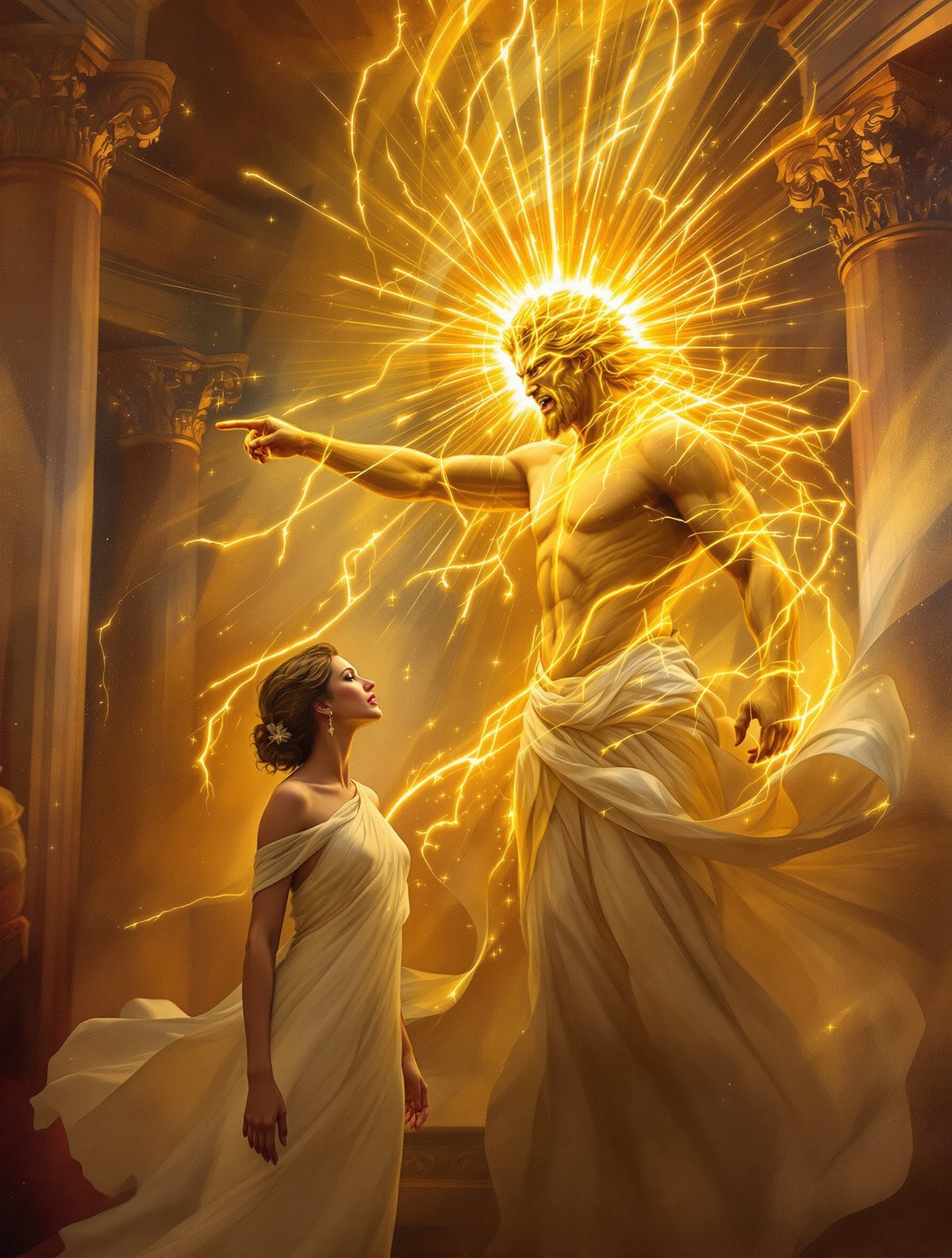
That night, as Uruk celebrated its deliverance, a council convened in the heavens that would change the course of human literature forever. The gods Anu, Enlil, Ea, and Shamash gathered to discuss punishment for this unprecedented act of defiance. The debate, recorded in surprising detail in the epic, reveals fascinating insights into Mesopotamian concepts of justice.
Enlil, the god of wind and storm, argued that both heroes must die—they had killed Humbaba, guardian of the sacred Cedar Forest, and now the Bull of Heaven. But Shamash, the sun god who had aided their quests, protested that the heroes had acted on divine encouragement. The compromise they reached was as cruel as it was calculated: one of the two friends must die.
The choice fell on Enkidu, and the reason why reveals something profound about Mesopotamian theology. While Gilgamesh was two-thirds divine, born to rule and destined for greatness, Enkidu was made from clay—earth returning to earth. More significantly, it was Enkidu who had delivered the killing blow and Enkidu who had mocked Ishtar. The wild man who had gained humanity would lose it through the most human experience of all: death.
The Dream of Doom
The gods' judgment came to Enkidu not through a messenger or priest, but through a dream so vivid and terrifying that he woke screaming. In this prophetic vision, he saw a dark figure with a lion's face, eagle's talons, and breath like death itself. This creature—identified as the spirit of the underworld—transformed Enkidu into a bird with feathered arms and led him down to the House of Dust, the Mesopotamian realm of the dead.
What makes Enkidu's dream particularly haunting is its democratic vision of death. In the underworld, he saw kings and priests, warriors and servants, all stripped of their earthly glory, dressed in feathers like birds, eating dust and clay. The message was clear: death equalizes all, regardless of birth, achievement, or divine favor.
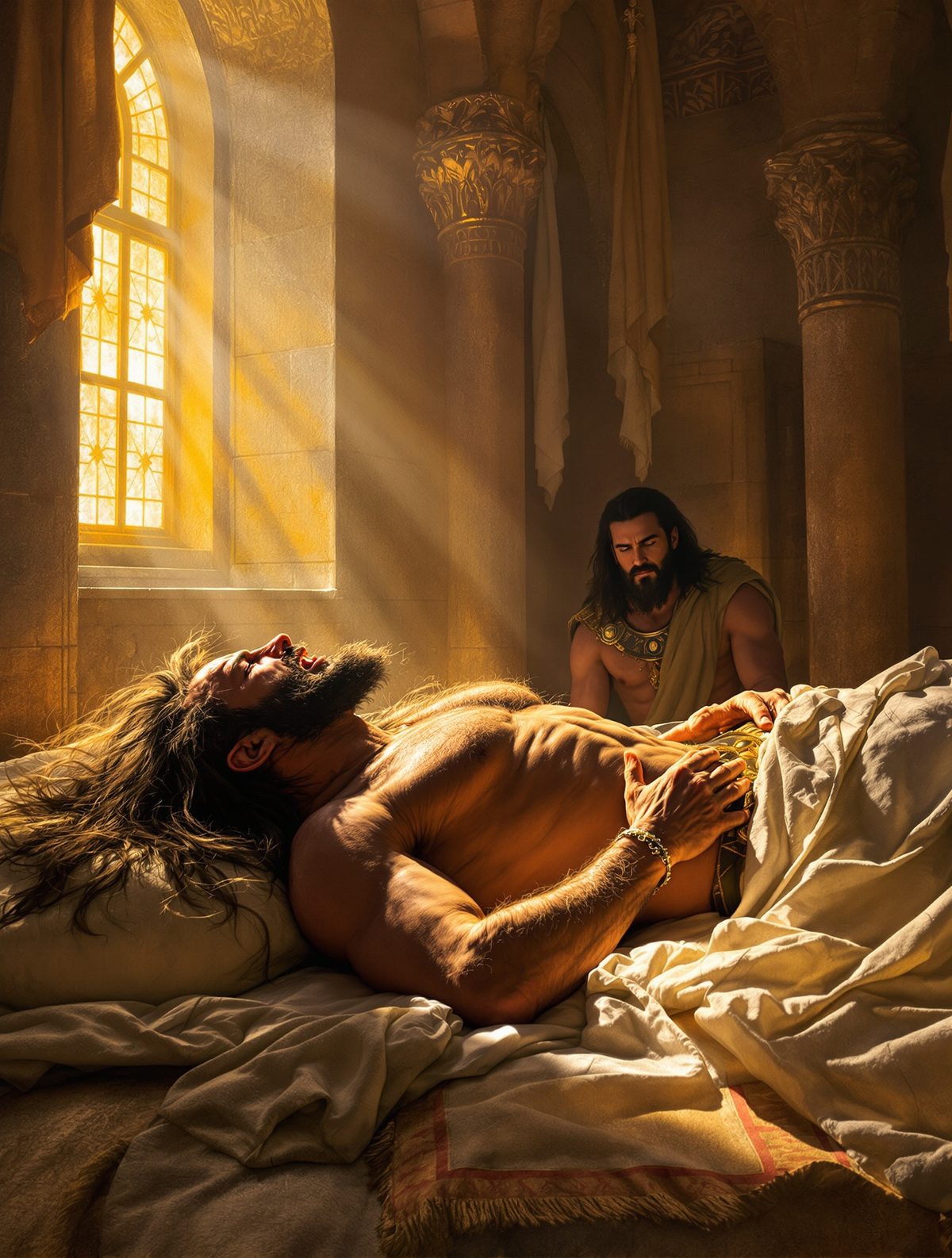
When Enkidu shared this dream with Gilgamesh, both men understood its meaning immediately. The wild man would die, and there was no power in heaven or earth that could prevent it. For twelve days, Enkidu lay on his deathbed, growing weaker while cursing everyone who had led him from his innocent life among the animals to this moment of divine retribution.
Why This Ancient Nightmare Still Matters
Enkidu's dream of death wasn't just a plot device in an ancient story—it was humanity's first recorded exploration of mortality anxiety, survivor's guilt, and the terrible randomness of loss. When Enkidu dies and Gilgamesh begins his desperate quest for immortality, we witness the birth of existential literature.
The story resonates today because it captures a universal truth: sometimes the price of defying authority, even justified defiance, falls not on those who can best afford to pay it, but on those who can least afford to lose it. Enkidu, the outsider who had found belonging, paid the ultimate price for crimes committed alongside someone whose divine heritage offered protection.
In our modern world of whistleblowers, activists, and ordinary people who stand up to power, Enkidu's fate serves as both warning and inspiration. The gods may still demand their sacrifices, but the friendships forged in defiance of unjust authority—like that between Gilgamesh and Enkidu—create legacies that outlast empires. Four thousand years later, we still remember the wild man who gained humanity, lost innocence, and faced death with the courage of someone who had truly learned what it meant to live.