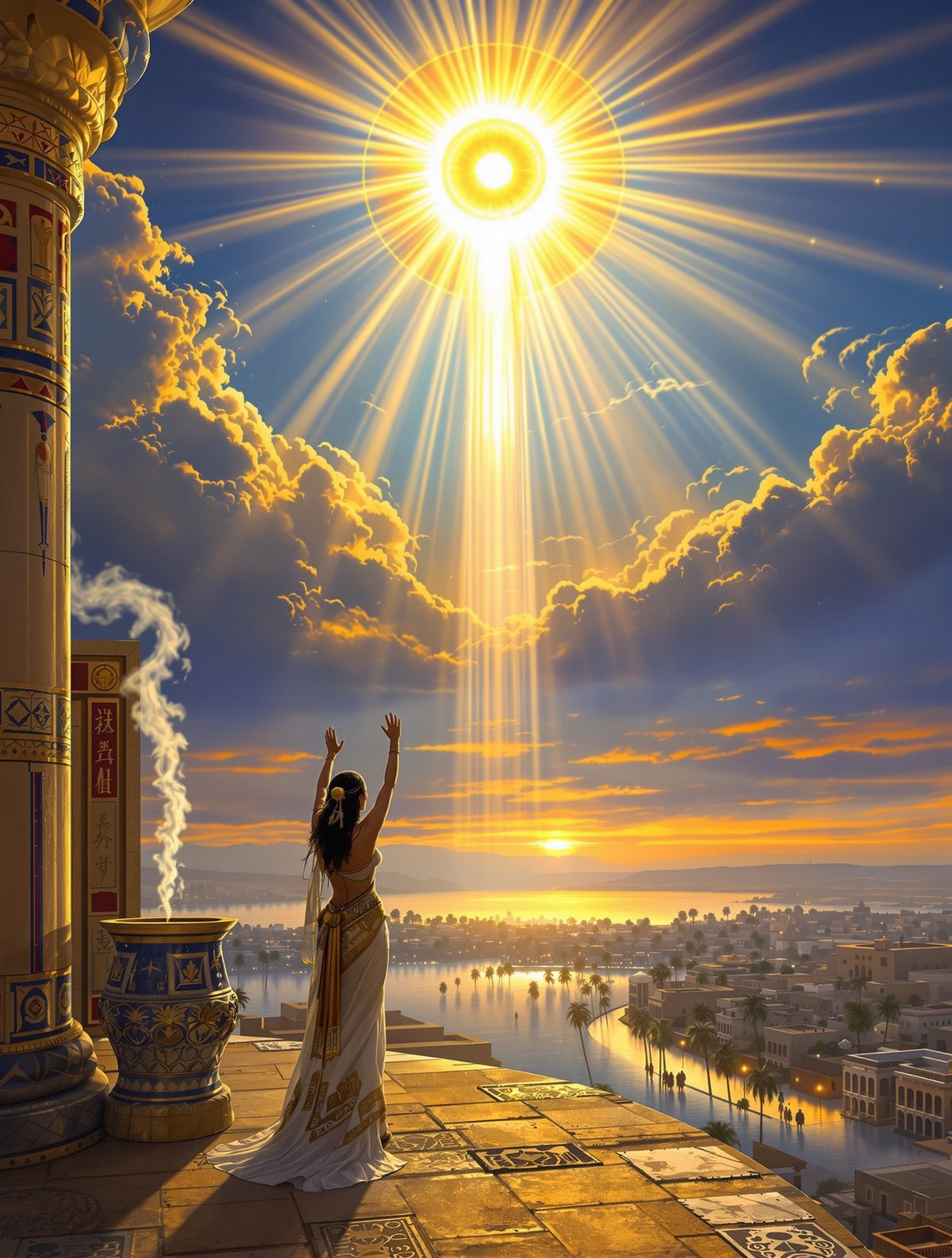
In the dim glow of dawn, the silhouette of an anxious figure emerged atop the grand Ziggurat in Uruk, the air heavy with her supplication. She was Ninsun, the revered "Lady of the Wild Cows"—a goddess whose divine heart was gripped by a very human fear. Her son, Gilgamesh, was about to embark on a perilous journey into the Cedar Forest to face a demon birthed from nightmares. Resolute and determined as Gilgamesh was, he was not invincible, and Ninsun, peering across the waves of the Mesopotamian desert, grappled with the chilling foreboding of a mother who feared for her child’s life.
The Rise of Uruk's Goddess
Ninsun, often overlooked in the annals of mythology, was not merely a silent celestial figure; she was a goddess intertwined with the beating heart of Uruk, a city that rose to prominence around 4500 B.C. Known as the mother of Gilgamesh—a king whose exploits would be etched into eternity—Ninsun possessed an ability to traverse realms both earthly and divine. Her name, etched into the cuneiform tablets, denoted not just "a lady" but an entity deeply revered, wandering the palatial corridors adorned with reliefs and murals depicting celestial narratives.
Unlike typical portrayals of divine maternal figures, Ninsun was a being capable of profound empathy and vulnerability, a juxtaposition to her fierce and untamed moniker, "wild cow." Her nurturing nature was as expansive as the fertile plains of Mesopotamia, encompassing both the celestial and the terrestrial. The obelisks that once dotted the Sumerian landscape whispered stories of her potent spirituality, resonating with the faithful who flocked to her temples seeking divine favor and comfort.
A Dire Forewarning
To understand Ninsun’s dread, one must delve into the labyrinthine narrative of Gilgamesh’s epoch. Depicted as two-thirds divine and yet tantalizingly mortal, Gilgamesh, according to tradition, ruled Uruk around 2700 B.C. His legacy, compiled in the epic that bears his name, survives on fragmented clay tablets, unearthing a world where gods and demons resonated as loudly as the sun. The looming shadow of Humbaba, the monstrous guardian of the Cedar Forest, hung ominously over Gilgamesh’s journey—a threat irreversibly linked to his quest for glory.
Humbaba was no mere foe; ancient texts flesh out his image as an embodiment of chaos and destruction. His roars echoed like thunder, his breath a fog of death—a fitting adversary for a hero like Gilgamesh. It is within this epic clash of divinity and monstrosity that Ninsun’s heart found turmoil. Despite Gilgamesh’s might, a sliver of mortality remained—a fatal flaw in the tapestry of his heroic design.
Incense and Invocations
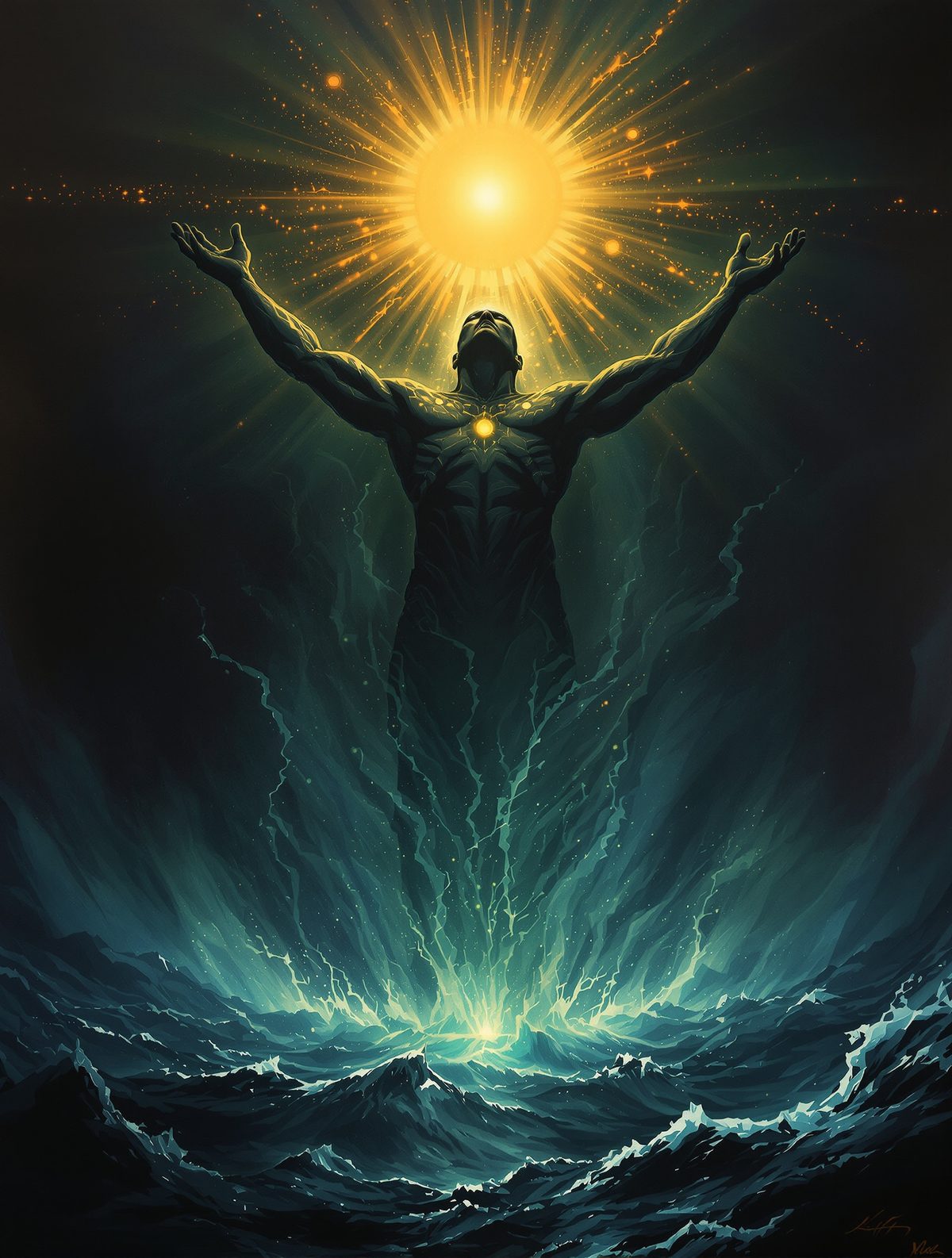
Tracing Ninsun’s footsteps to the high altar of Uruk’s temple, one can almost perceive the scent of smoldering cedar curling into the ether—a sacred sacrifice that bridged the gap between Earth and the divine. Cedar, considered a holy wood, was not merely burnt on a whim; it was a conduit for divine communication, a ceremonial lifeline to the gods residing in the resplendent skies above Mesopotamia. With every tendril of smoke, Ninsun's despondent hopes ascended, reaching into the fiery chariot of Shamash, the mighty sun god.
Ninsun's ritual was not a solitary gesture but a testament to the interwoven bonds of the divine family. She lifted her arms, festooned with golden bracelets reflecting the rising sun. Her voice, laden with urgency, implored Shamash, the sun god known for his eternal journey across the day’s sky and his role as a wise adjudicator. She beseeched him to cast his radiant gaze upon Gilgamesh, offering protection against the lurking evil of Humbaba.
The Sun God's Favor
Shamash, with his blazing orb fixated upon the Earth, had his own odyssey that rendered him a deity of considerable repute. Known as Utu in Sumerian mythology, Shamash’s judgment was as vast as the sky, as constant as the sun's passage. As Ninsun prayed, the sun god listened to the procession of her words, the desperation clinging to her voice like dew to morning grass. His role was one of supernatural complexity, for he who granted light and life also had the power to withhold it.
In the tablets of legend, Shamash indeed complies, watching over Gilgamesh and his steadfast companion, Enkidu, as they entered the green labyrinth of the Cedar Forest. Under his divine scrutiny, the duo navigated trials and terrors, Gilgamesh's heart pumped not just with his own will but with the silent prayers of his mother wrapping around his soul like an invisible armor.
Legacies and Lessons
The haunting image of Ninsun beseeching the heavens endures as a powerful reminder of maternal love transcended by divine despair—a theme that resonates profoundly even today. Despite millennia separating our world from Ninsun’s, the essence of parental fear and hope remains a cornerstone of the human condition. In a realm dominated by male-centric heroics, Ninsun’s narrative offers a poignant glimpse into the often-overlooked feminine power within mythology.
As the sun sets today over the ancient land of Mesopotamia, casting long shadows upon the remnants of civilization, we are reminded of the unyielding strength of a mother’s love and the intricate dance between fate and free will. Whether set in stone or whispered in windswept sands, these stories continue to illuminate the timeless sky, ever reminding us of the divine hopes shared between a mother and her child—the oldest legend never told in textbooks.