The Fateful Love That Became History's Darkest Curse
Troy, the legendary city doomed by love and envy, had yet another tale to tell—a tale beyond the besieged walls and battlegrounds. In the shadows of fate, where gods played with human destinies, there emerged a figure who saw the impending doom but was powerless to change it. This was Cassandra, the cursed prophet, whose heart-wrenching gift of foresight bore no salvation, only despair.
The Gift with a Twisted Fate
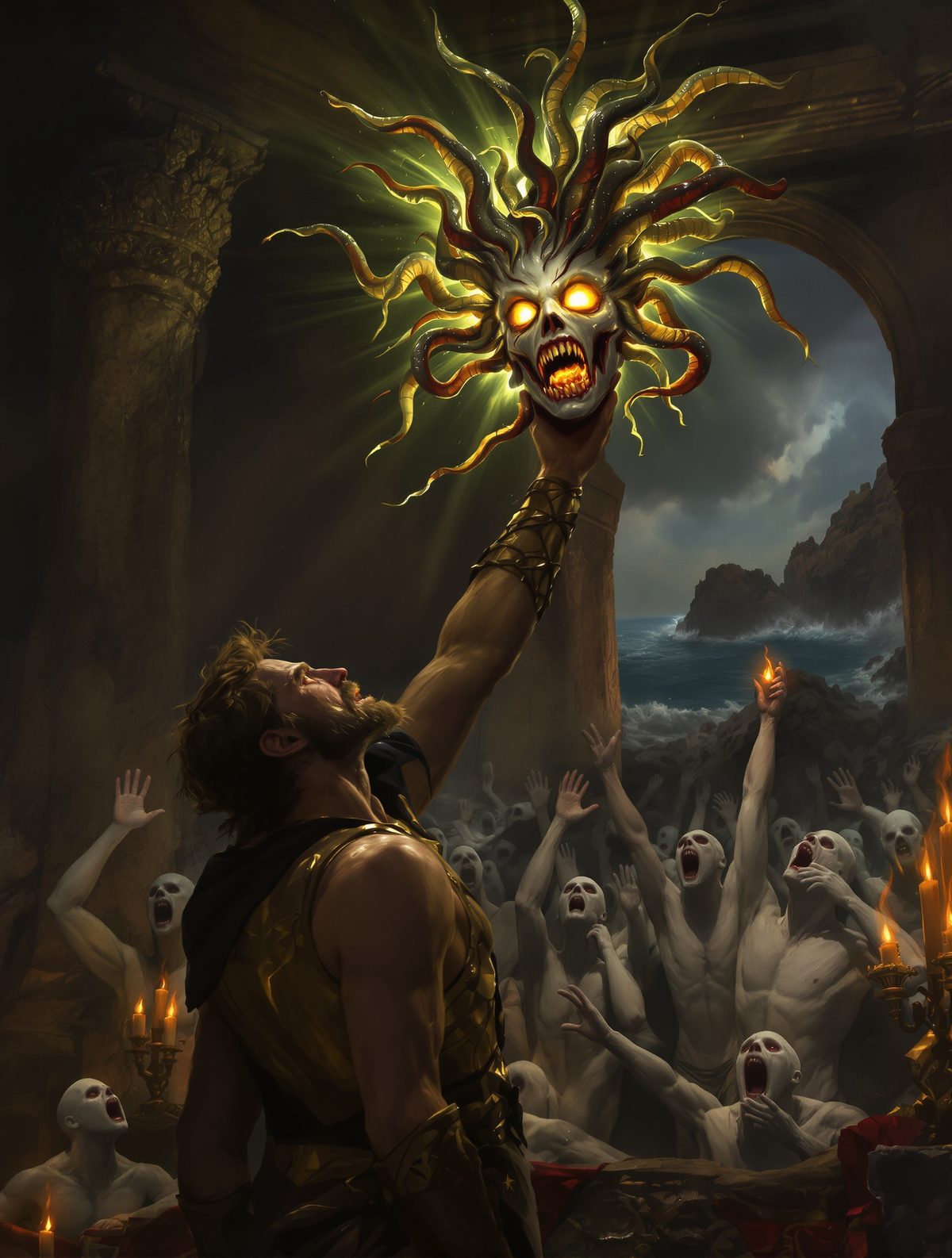
In the ancient world, few gifts matched the blessed power of prophecy, which Cassandra of Troy possessed with remarkable clarity. She was no ordinary Trojan princess; she was a daughter of Priam, king of Troy, and Hecuba, queen of the city. Possessing extraordinary beauty, she caught the attention of Apollo, the god of prophecy himself. Enraptured by her, Apollo was willing to gift her the most cherished of divine abilities: the power of prophecy.
As the myth spins out, Cassandra agreed to the god's advance in exchange for this divine gift. Yet, the story takes a dark turn when she reneges on their accord, choosing to remain free from the entanglements of divine affection. Apollo's love, turned scorned, did not strip her of the ability he had granted, but twisted its purpose into a curse. From that day forward, no matter how truthful her words, they would never be believed by those who heard them.
Visions of Destruction Denied
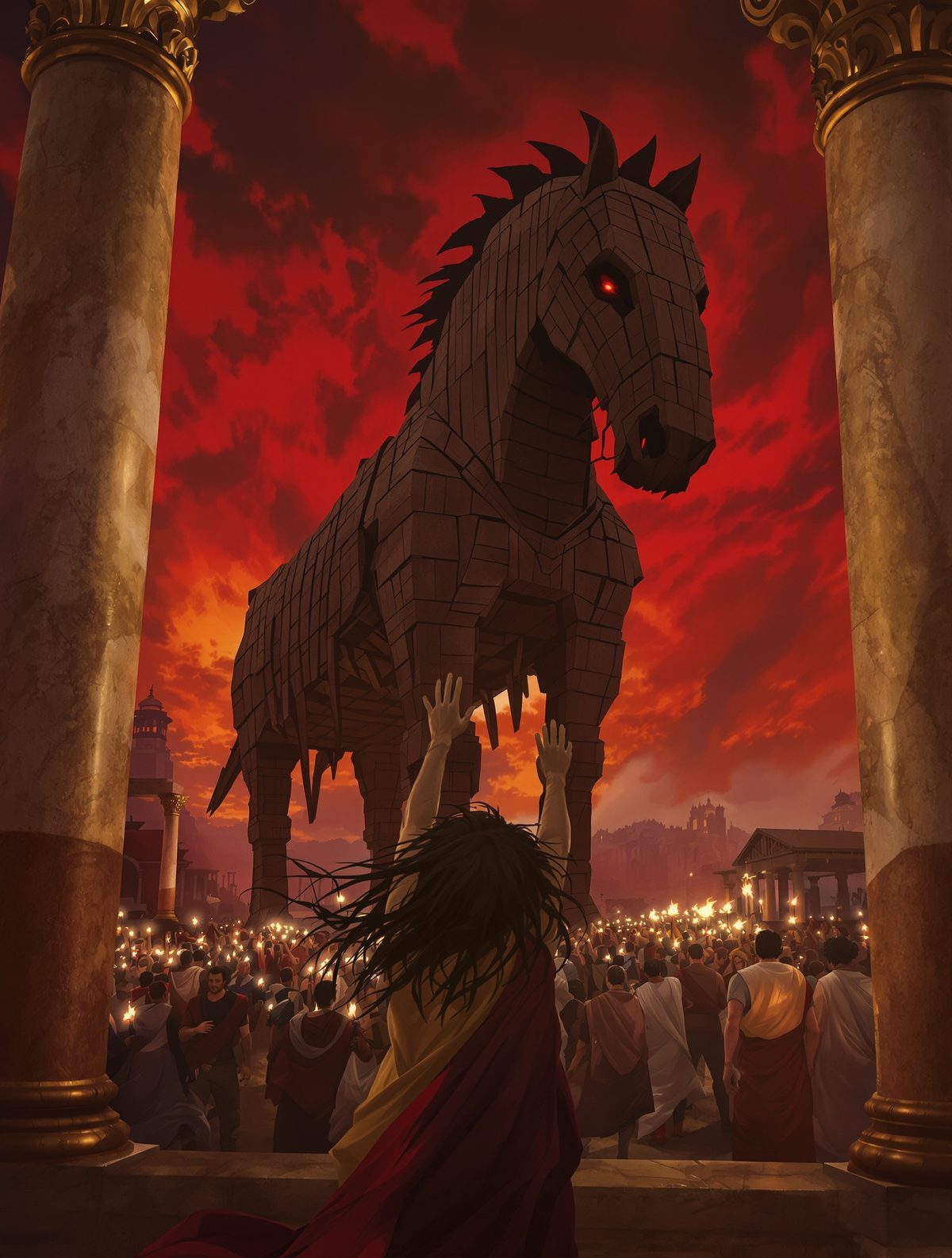
The consequences of her rejection soon painted a tragic tableau of stark contrasts. Troy stood tall with its gleaming walls and bustling markets—a pearl of the Aegean Sea. Cassandra watched as her visions began, like a macabre play, a living artwork of chaos and flames ravaging her beloved city. From the high towers of Ilium, known by mortals as Troy, she saw the wooden horse being pulled through the gates and every fiery detail that would follow.
In her desperation to avert the disaster looming on Troy, Cassandra rushed through the streets, shouting her prophecies that no one would believe. "Beware of Greeks bearing gifts," she pleaded, pointing to the wooden mammoth with its hidden secrets. The Trojans, oblivious and jubilant, ignored her cries of warning, mesmerized instead by their perceived victory.
The Horse and the Conflagration
It was a warm evening when the great horse entered the city. Wild celebrations and feasts rolled into the night as the Trojans thought themselves victorious against the Greeks after a decade-long conflict. Cassandra, standing at the edges of their rejoicing, watched helplessly as dusk settled into a dark night. Her heart was heavy with knowledge—a knowledge she alone understood.
When Troy finally fell to the subterfuge of its enemies, the streets became a hellfire of destruction, just as Cassandra had predicted. Greek warriors, hidden within the wooden belly, emerged to open the gates for their fellow soldiers. The city awoke too late to Cassandra's warnings, and the sounds of celebration were replaced by the screams and clashing of swords. Her prophecy had come true in the most tragic fashion.
A Lonely War Against Fate
Few realize there were more prophecies and attempts to challenge her fated disbelief. Cassandra foresaw her own demise and the death of beloved Hector. Her warnings went unheard, turning her life into a constant battle against destiny shackled by Apollo’s relentless curse. Even Agamemnon's downfall, which she foresaw upon being taken as his concubine, added another layer to her fateful existence, taking her prophetic gift to a place of no return.
Trapped by foreknowledge, Cassandra lived her remaining days as a shadow in the periphery of unfolding disaster, each cry a testimony to both her insight and her isolation. Her life, lived with clarity few could comprehend, became a legend itself—an embodiment of the irony of knowing too much yet being powerless to effect change.
The Enduring Truth of Cassandra’s Plight
Cassandra’s story, a blend of myth and allegory, challenges us even today. It reminds us of those who stand at the edges of society, whose insights and warnings about potential dangers in our world often go unheard, dismissed, or ridiculed. Modern parallels echo her tragedy, from the dismissed environmental scientists warning of climate change to unheard voices calling for social reform.
In a world drowning in information yet starving for wisdom, Cassandra’s curse forces us to question our own beliefs and biases. What if the prophetic voices among us are like Cassandra, speaking truths too discomforting to acknowledge? Are we, like the Trojans, partying in ignorance while our enemies lie waiting in plain sight? As long as these questions linger, the spirit of Cassandra lives on, urging humanity to listen with care and act wisely.