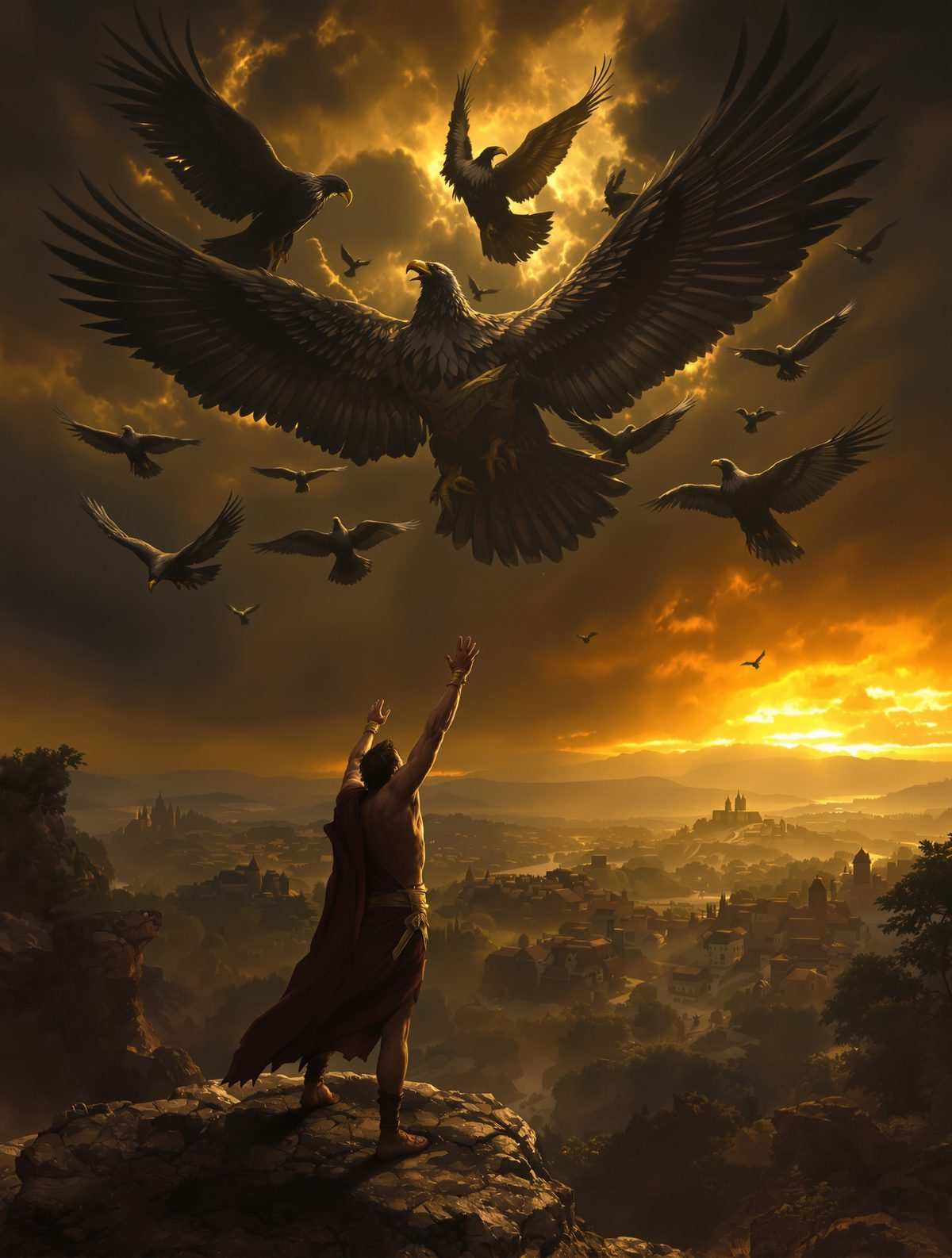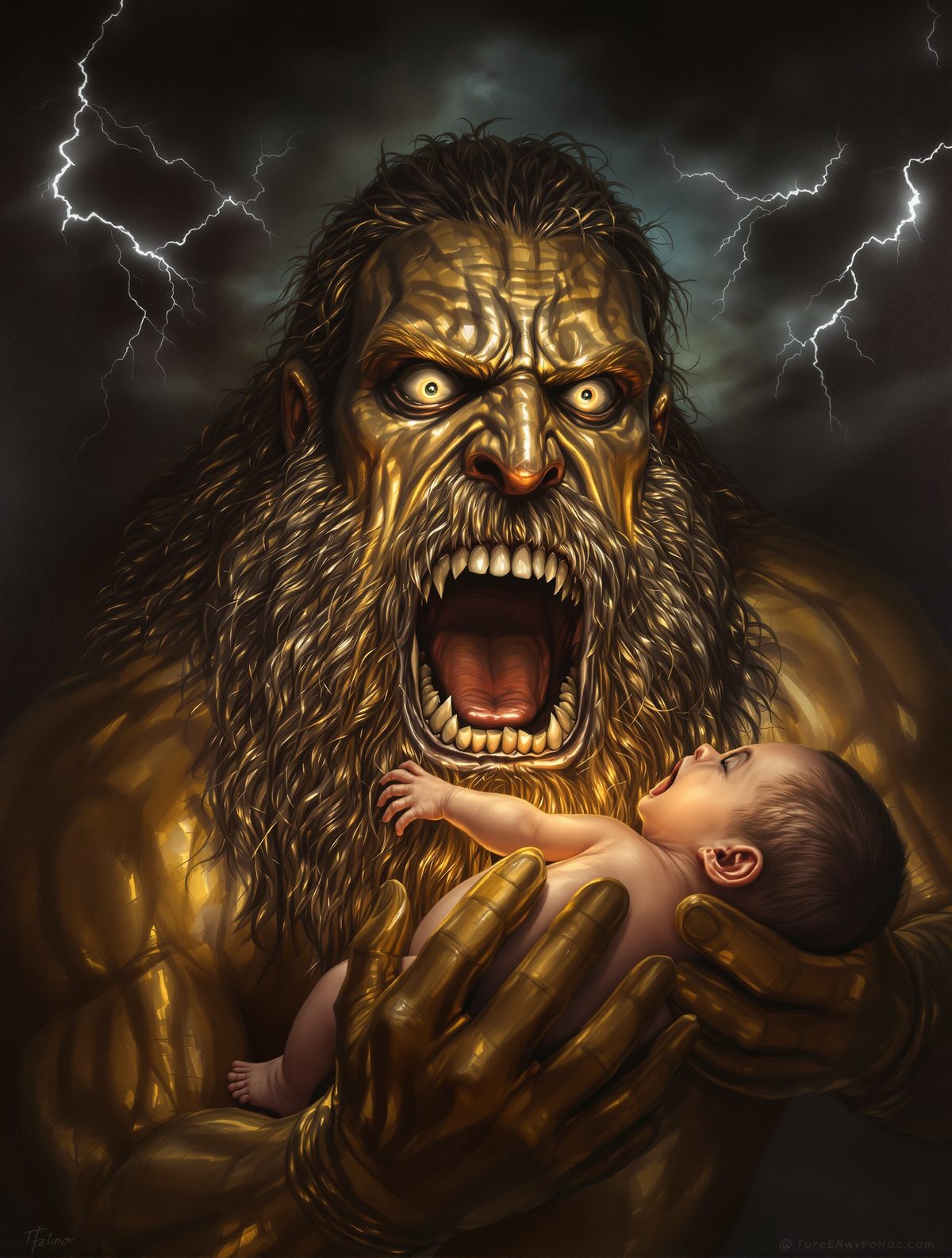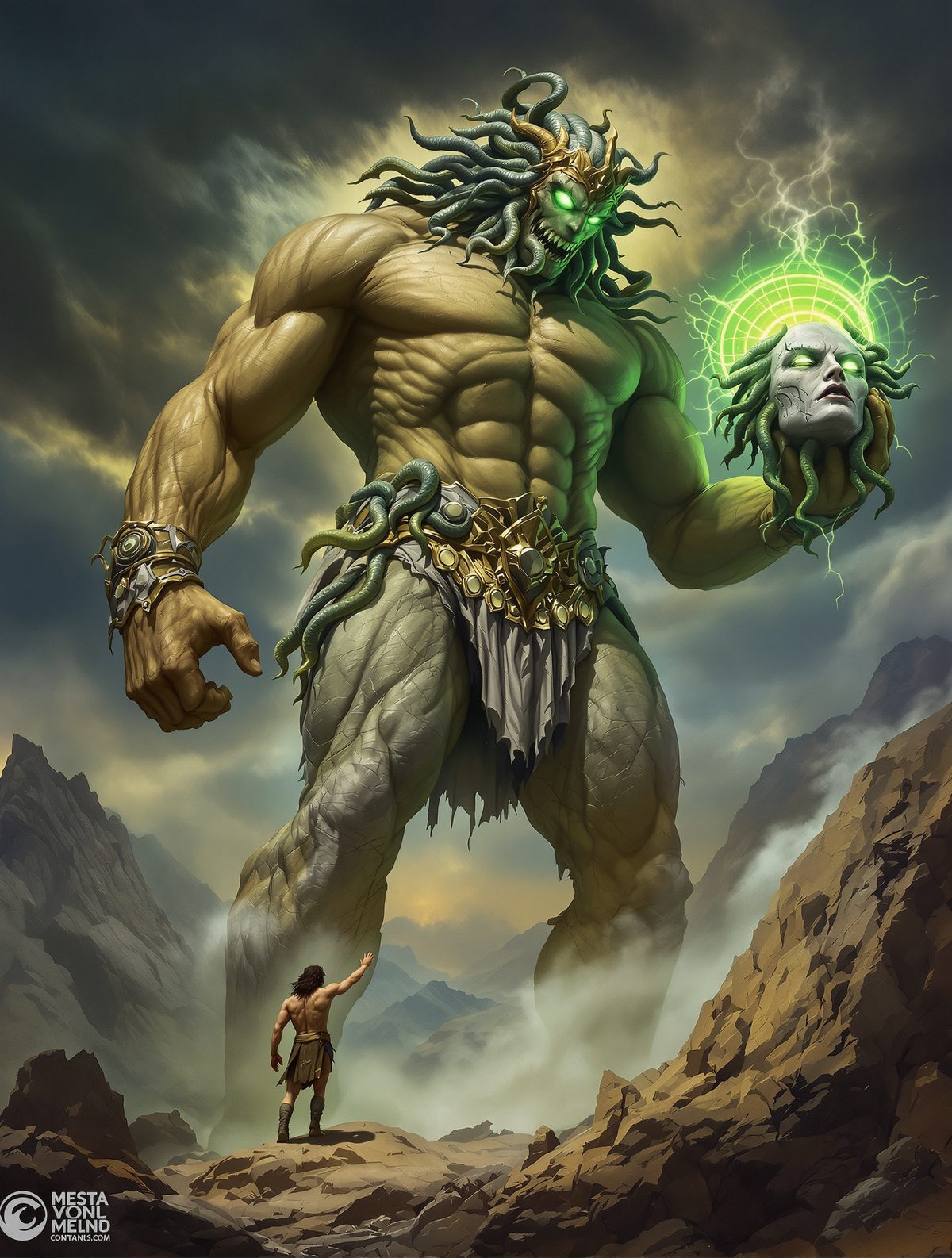
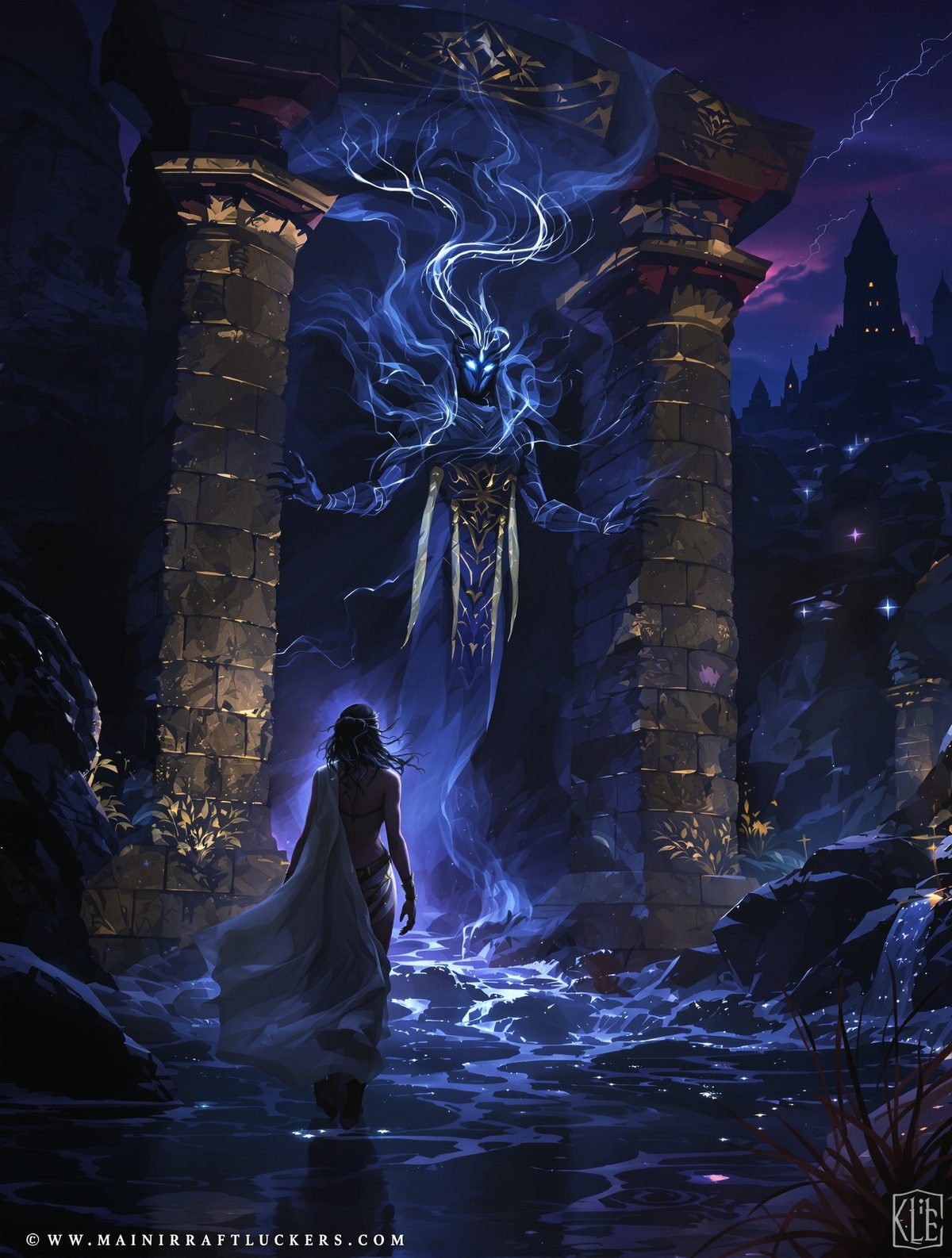
In the shadowed depths of ancient Sumerian tablets, buried beneath 4,000 years of desert sand, lies one of history's most disturbing tales of divine power, sexual violence, and relentless pursuit. It's a story that would make modern #MeToo advocates shudder—and yet it was considered sacred scripture in humanity's first cities. When archaeologists first translated these cuneiform texts in the early 20th century, many were so scandalized they quietly shelved the tablets, ensuring this dark myth would never see classroom walls.
This is the story of Enlil and Ninlil—a tale where the god of wind and storms commits an unthinkable crime, faces divine justice, yet continues his predatory behavior even in exile. It's a myth that reveals how ancient Mesopotamians grappled with questions of consent, power, and the troubling reality that even gods could be monsters.
The Crime by the Sacred Canal
Picture the holy city of Nippur around 2500 BCE, its ziggurats rising like artificial mountains from the fertile plains between the Tigris and Euphrates. Here, in the shadow of the Ekur temple complex, flowed a sacred canal where the young goddess Ninlil would come to bathe. Ninlil, whose name literally means "Lady Wind," was no ordinary deity—she was the grain goddess, the divine embodiment of barley and wheat that fed the growing Sumerian civilization.
The cuneiform tablets describe her as innocent, almost childlike, warned by her mother Nunbarsegunu to avoid the sacred waterway: "Do not bathe in the pure canal! Do not walk alone by the holy river!" But youth rarely heeds such warnings, and Ninlil's fateful decision to ignore her mother's counsel would echo through Mesopotamian theology for millennia.
Enlil, the supreme god of wind and air, second only to the sky father Anu himself, spotted the young goddess by the water. What happened next was recorded with shocking directness in the ancient texts: Enlil raped Ninlil by the canal, an act so brazen that it occurred in full view of the sacred precinct. The tablets don't soften the blow—they use the Sumerian word "gig," which carries no ambiguity about consent or romance. This was violence, pure and simple.
Divine Justice and the Anunnaki's Verdict
What makes this myth remarkable isn't just the crime—it's what happened next. In a world where divine figures typically operated above mortal law, the Anunnaki (the assembly of 50 great gods) actually held Enlil accountable. This wasn't a patriarchal pantheon that simply excused sexual violence because the perpetrator held divine rank. The gods were outraged.
Their verdict was swift and unprecedented: Enlil, despite being one of the most powerful deities in the Sumerian pantheon, was stripped of his divine status and banished to the underworld—the realm of the dead, ruled by the fearsome goddess Ereshkigal. The text records their judgment: "Enlil, you have violated the holy precinct. You shall be cast out from the city of gods."
But here's where the story takes an unexpected turn that would puzzle modern readers: Ninlil, now pregnant with Enlil's child (the moon god Nanna-Sin), chose to follow her rapist into exile. Was this Stockholm syndrome? Ancient concepts of honor? Or something else entirely? The tablets offer no psychological explanation, simply stating that she pursued him into the realm of the dead.
The First Disguise: The Gatekeeper's Deception
The underworld of ancient Mesopotamia was no fiery hell, but rather a dusty, shadow-filled realm where the dead lived a diminished existence, eating clay and drinking stagnant water. To reach this grim destination, one had to pass through seven gates, each guarded by supernatural sentries.
When Ninlil arrived at the first gate, she found what appeared to be an unfamiliar gatekeeper. In reality, this was Enlil in his first disguise, though the goddess failed to recognize him. The conversation recorded in the tablets reveals the calculating nature of his deception:
"I am seeking Enlil," Ninlil declared. "He has fled to the underworld."
The false gatekeeper replied, "Enlil has indeed passed this way, but first, let me show you comfort in your journey." Once again, he forced himself upon her, and from this second violation, she conceived another child—this time, a deity destined to rule a portion of the underworld itself.
What's particularly chilling about the ancient text is how it presents this pattern as almost mechanical, as if Enlil's predatory behavior was as natural and unstoppable as the wind he commanded.
Disguises Two and Three: The Man of the River and the Ferryman
Enlil's deceptions continued as Ninlil pressed deeper into the underworld. At the river of the dead—that dark boundary between the world of the living and the realm of shadows—she encountered what appeared to be the river guardian. This figure offered to help her cross the waters in pursuit of Enlil, but demanded payment in the most personal way possible.
Again, this was Enlil in disguise, and again, Ninlil found herself pregnant from the assault. The third child conceived in this supernatural realm would become another underworld deity, forever bound to the land of the dead.
The third and final disguise came when Ninlil reached the deeper regions of the underworld. Here, Enlil appeared as the ferryman who transported souls across the final waters of death. By now, she had been violated four times by the same god—once as himself, and three times in supernatural disguises that she somehow failed to penetrate.
The repetitive nature of these encounters has puzzled scholars for decades. Some suggest it represents the unstoppable force of nature itself—wind and storm that takes what it will regardless of consequence. Others see it as an ancient acknowledgment that powerful men often escape true justice, even when officially punished.
The Cosmic Consequences: Children of Darkness and Light
The four children born from these violent encounters would reshape the Mesopotamian divine landscape. The first child, Nanna-Sin the moon god, was conceived in the world above and was destined to rule the night sky. But the three children born in the underworld—whose names vary across different tablet fragments—were forever bound to the realm of the dead.
This cosmic arrangement created a peculiar balance in Sumerian theology: one child brought light to the darkness, while three remained in shadow. Some scholars interpret this as an ancient explanation for why moonlight could illuminate the darkest nights—because the moon god alone escaped the underworld's claim.
What's remarkable is how this myth attempts to create cosmic order from cosmic violence. The Sumerians didn't simply condemn Enlil's actions—they wove them into the very fabric of their understanding of divine hierarchy and natural law.
Modern Echoes of an Ancient Horror
Why does a 4,000-year-old myth about divine rape matter in the 21st century? Perhaps because it reveals how little has changed about power, predation, and the systems that enable both. Enlil faced consequences—he was officially punished, stripped of status, sent into exile. Yet he continued his predatory behavior, using disguises and deception to victimize the same woman repeatedly.
The myth forces uncomfortable questions: Is punishment meaningful if it doesn't prevent continued harm? How do societies truly hold powerful figures accountable? And why do victims sometimes pursue their abusers into dark places?
The ancient Sumerians gave us the first written laws, the first cities, and the first literature. But they also gave us this unflinching portrait of how divine power could corrupt absolutely. In our own era of reckoning with sexual violence and abuse of power, perhaps we need to remember that humanity has been grappling with these demons since we first learned to write. The cuneiform may be ancient, but the warnings carved into those clay tablets remain devastatingly contemporary.