In the pristine gardens of Dilmun, where the first rivers of creation flowed and immortal light danced between sacred trees, a god was about to make the most catastrophic mistake in divine history. Enki, the wise water god who had helped shape humanity itself, stood before eight forbidden plants that pulsed with otherworldly energy. Despite every warning echoing through paradise, despite knowing the terrible price of defiance, he opened his mouth and took the first bite. What happened next would require an act of divine surgery so brutal that even the gods themselves would shudder at its memory.
The Forbidden Garden Where Gods Feared to Tread
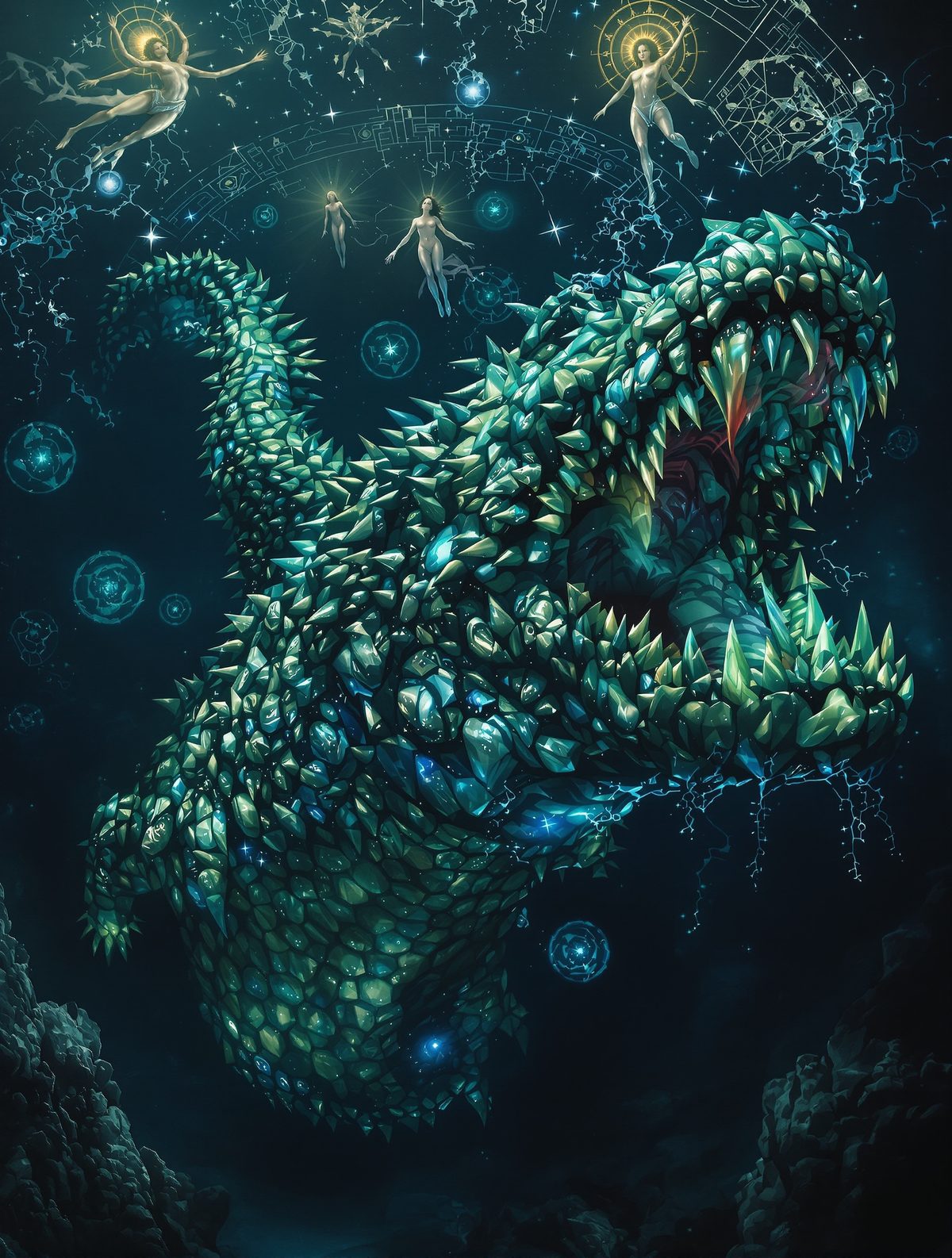
Around 4000 BCE, when Sumerian civilization was still taking root along the banks of the Tigris and Euphrates, their creation myths spoke of Dilmun—a paradise that made Eden look like a modest backyard garden. This wasn't just any divine realm; Dilmun was where the gods themselves went to find peace, a place so pure that even death couldn't touch its borders. The cuneiform tablets discovered in the ruins of Nippur describe it as a land where "the lion kills not, the wolf snatches not the lamb."
Here's what most people don't realize about Mesopotamian paradise: it wasn't meant for humans at all. While later traditions would tell of mortal heroes seeking immortality in distant gardens, Dilmun belonged exclusively to the divine realm. Eight sacred plants grew there, each one containing powers that could reshape reality itself. These weren't decorative flowers—they were concentrated essence of creation, each one capable of granting abilities that even the gods weren't meant to possess.
Enki knew this better than anyone. As the god of wisdom, freshwater, and crafts, he had helped establish the very laws that governed divine conduct. He had shaped humanity from clay, given them the gifts of civilization, and served as their protector against the whims of more capricious deities. Yet standing in that perfect garden, surrounded by the most dangerous plants in existence, the wisest of gods made the most foolish choice imaginable.
Eight Bites That Doomed a God
The Sumerian poem "Enki and Ninhursag" provides us with the horrifying details of what happened next. Enki didn't just nibble at forbidden fruit like some nervous mortal—he devoured each plant with the appetite of a god who thought himself above consequence. The first plant dissolved on his divine tongue, flooding his system with power he was never meant to wield. Then came the second, the third, each bite more intoxicating than the last.
But paradise has a way of collecting debts. With each plant consumed, a curse took root in Enki's immortal flesh. His jaw began to ache with an otherworldly pain. His teeth loosened in their sockets. His mouth filled with the taste of decay. By the fourth plant, his divine essence was unraveling. The fifth brought agony to his throat. The sixth cursed his limbs with weakness no god should ever experience.
It was the seventh plant that sealed his fate. As its essence merged with his divine form, Enki's rib—that fundamental bone that housed his very life force—began to rot from within. Here's the detail that makes this myth truly terrifying: in Mesopotamian belief, a god's rib wasn't just bone. It was the architectural foundation of their immortality, the core structure that kept divine essence from dissipating into the cosmic void. When Enki's rib began to die, he wasn't just facing pain—he was facing complete annihilation.
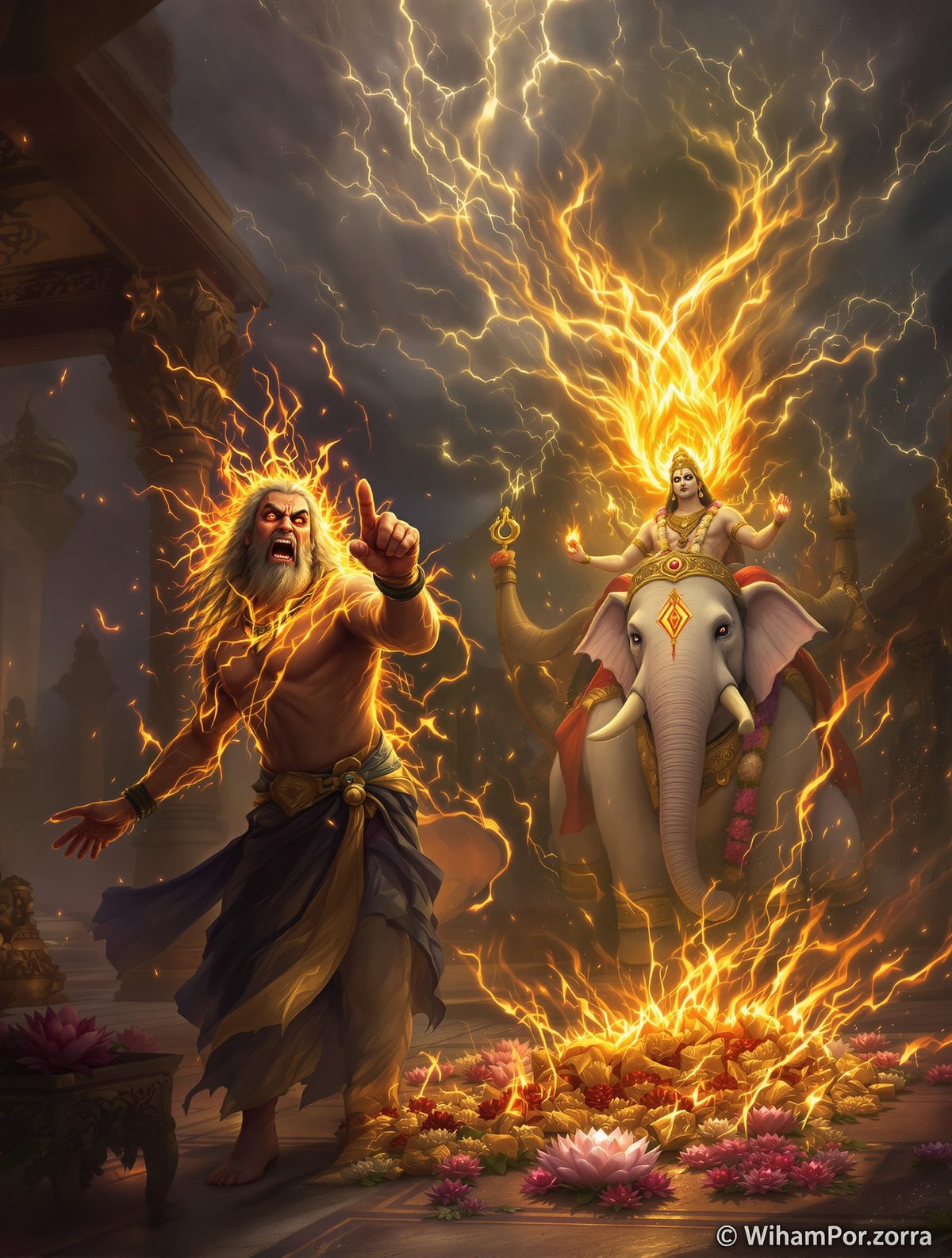
The eighth plant was almost an afterthought. By then, the water god was collapsing, his perfect divine form wracked with decay that spread like wildfire through his celestial anatomy. The other gods watched in horror as their wise counselor transformed into something grotesque, his immortal flesh bubbling with corruption that defied every natural law.
When the Gods Faced Their Own Mortality
Picture the panic that rippled through the divine realm as news spread: Enki was dying. Not just injured, not just diminished, but actually approaching the kind of absolute ending that gods weren't supposed to experience. The tablets from the library of Ashurbanipal describe how even mighty Anu, king of the gods, trembled at the implications. If Enki could die, if divine flesh could rot and divine essence could fail, what did that mean for the stability of creation itself?
The gods tried everything. They called upon the greatest healers in their pantheon, summoned the wisest sages from across the cosmic realm, even attempted to reverse time itself around Enki's failing form. Nothing worked. The corruption wasn't following normal rules—it was something deeper, more fundamental than ordinary damage. The forbidden plants hadn't just poisoned Enki; they had introduced a concept that shouldn't exist in the divine realm: true mortality.
As hours turned to days (yes, even gods experienced time when facing crisis), Enki's condition worsened. His rib had become a source of spreading death, each beat of his divine heart pumping corruption further through his system. The irony was cruel—the god who had given humanity the gift of healing arts was now beyond any cure his own wisdom could devise.
Ninhursag: The Mother Who Chose Brutal Love
Enter Ninhursag, the mother goddess whose very name meant "Lady of the Sacred Mountain." In most myths, she appears as the nurturing creator, the divine feminine who shapes life from nothingness and tends to all living things with infinite compassion. But this situation called for a different kind of maternal love—the kind that's willing to inflict terrible pain to preserve life.
What makes Ninhursag's decision so remarkable is what the cuneiform tablets reveal about divine anatomy. Unlike mortal flesh, divine bodies weren't just physical forms—they were crystallized will, solidified intention, cosmic force given shape. To tear away part of a god's body wasn't like surgery; it was like ripping a hole in reality itself. Ninhursag knew that removing Enki's rib wouldn't just cause him pain—it would fundamentally alter his divine nature forever.
But she also knew something the other gods had missed. Her feminine wisdom, her deep understanding of creation and destruction as two faces of the same cosmic coin, revealed the terrible truth: the corruption couldn't be healed or cleansed or magic-ed away. It had to be removed entirely, torn out by the roots, cast away from Enki's divine form before it could consume everything he was.
The Divine Surgery That Rewrote Reality
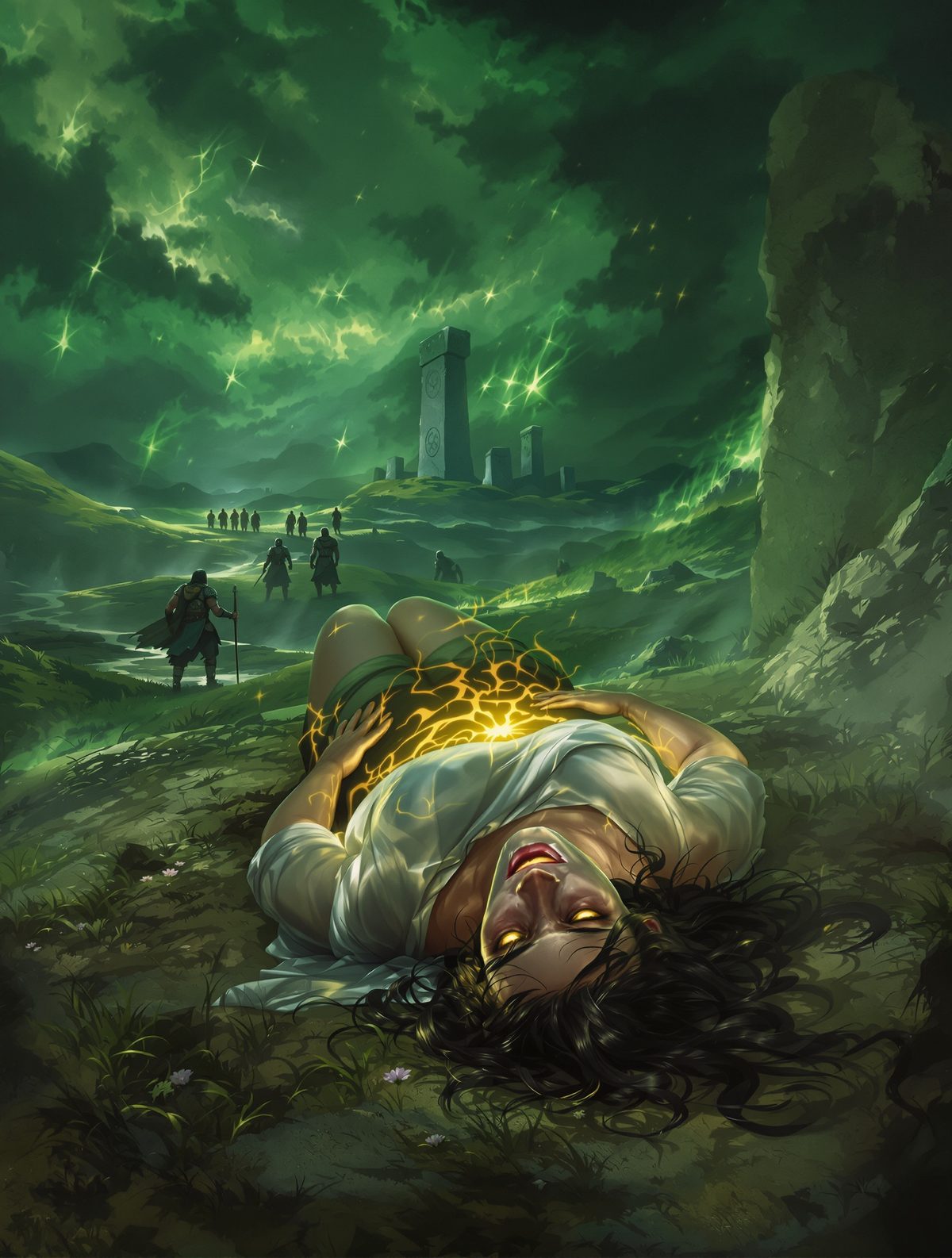
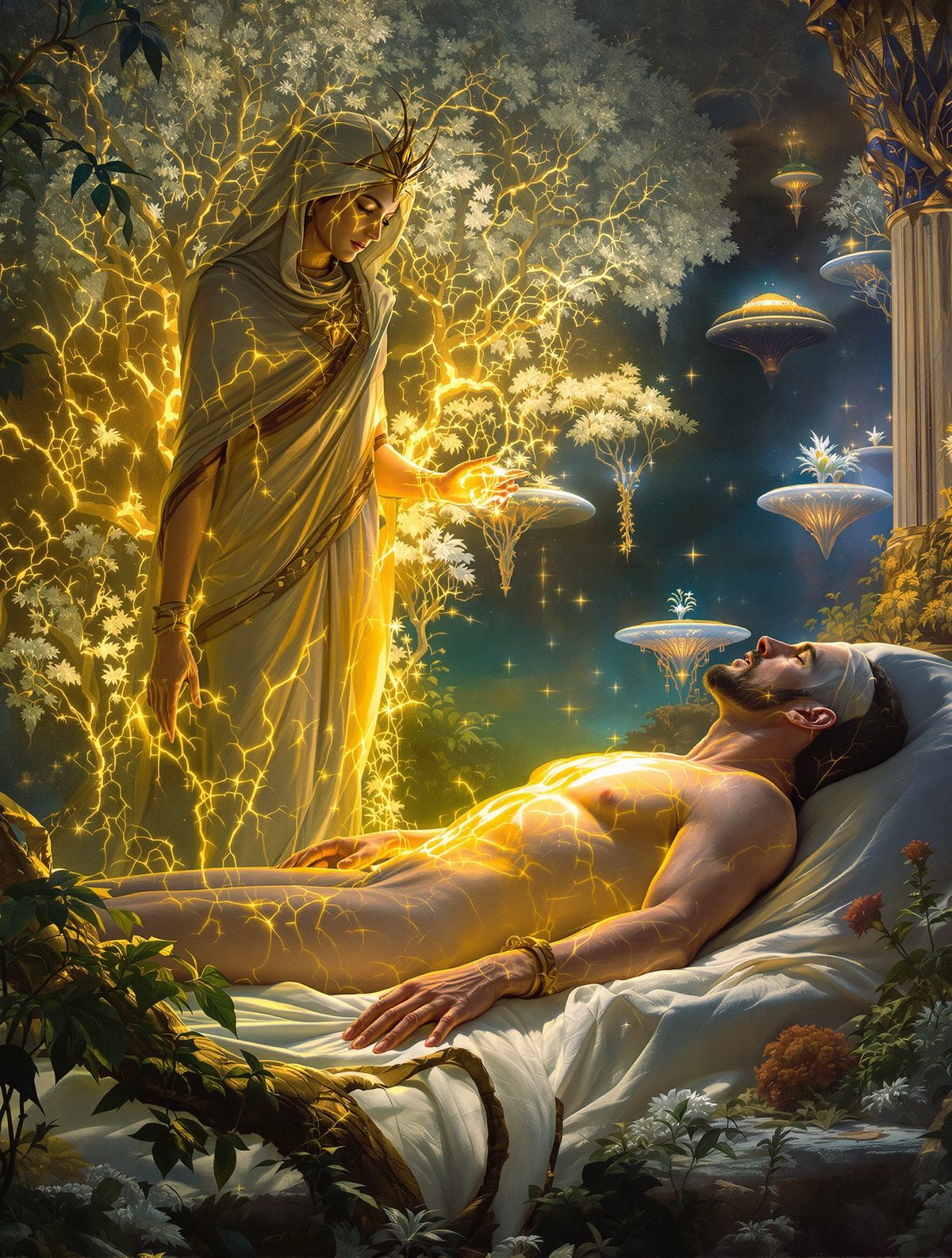
What happened next was unprecedented in divine history. Ninhursag approached Enki's writhing form, her hands glowing with creative power that had shaped mountains and birthed civilizations. But instead of using that power to nurture and grow, she prepared to destroy. The ancient texts describe how she placed her fingers against Enki's corrupted rib and began to pull—not with physical force, but with will so focused it could reshape the fundamental structure of existence.
The sound that emerged as the cursed rib tore free wasn't something that should exist in any realm. It was the shriek of reality being damaged, the cosmic equivalent of fingernails on a chalkboard magnified beyond all mortal comprehension. Other gods fled rather than witness the horrible spectacle of divine flesh being ripped away from divine bone.
But here's the most fascinating detail that scholars often overlook: Ninhursag didn't just tear away the corrupted rib and discard it. In a moment of inspiration that showcased the terrifying creativity of the divine feminine, she transformed that cursed bone into something new—a lesser goddess named Ninti, whose very name played on the Sumerian words for both "rib" and "life." The corruption that had nearly destroyed Enki became the foundation for new divine existence.
The Scars That Gods Still Bear
Enki survived, but he was never the same. The space where his rib had been remained forever hollow—not just physically, but metaphysically. He had gained knowledge of divine mortality that no god was meant to possess, a understanding of vulnerability that colored every decision he would make for the rest of eternity. In later myths, Enki becomes more cautious, more aware of consequence, his wisdom tempered by the memory of rot spreading through his immortal flesh.
This transformation echoes through every subsequent story of divine interaction with forbidden knowledge. When gods gave humanity the gifts of fire, agriculture, and writing, they did so with Enki's scarred wisdom guiding their choices. They had seen what happened when divine beings overreached, when the hunger for forbidden knowledge overcame divine wisdom.
The myth also established something unprecedented in divine law: even gods could face consequences that couldn't be undone. Ninhursag's brutal surgery had saved Enki, but it had also proven that divine immortality wasn't absolute. The gods could be changed, damaged, fundamentally altered by their choices in ways that rippled through eternity.
Today, as we grapple with our own forbidden fruits—genetic engineering, artificial intelligence, environmental manipulation on a planetary scale—the image of Enki writhing with divine corruption feels uncomfortably relevant. His story reminds us that wisdom and knowledge aren't the same thing, that some boundaries exist not to limit us, but to preserve the very foundations of existence itself. Sometimes the greatest act of love isn't healing—it's the courage to cut away what cannot be saved, no matter how much it hurts.