It was the darkest hour of night, a time when the boundary between the world of the living and the shadowy domain of the dead grew thin—perfectly fitting for the arrival of a god whose presence would upend the balance of power. This isn’t the tale of a heroic struggle, a duel of equals, but of a god descending into the depths of despair only to rise again. This is the legend of Nergal, the warrior who stormed the very gates of the underworld, seized the throne, and rewrote his own destiny.
The Journey Begun: A Courtier Sent in Disgrace
The mythology of ancient Mesopotamia teems with gods whose capricious natures made them both revered and dreaded. Nergal, the god of war and plague, had always cut a fearsome figure in the celestial pantheon, but even he was subject to the whims of the assembled deities. To grasp the unfolding drama, we need to travel back to around 2000 BCE, where the administrators of the divine kingdom were in crisis mode. Faced with the gods' strained patience, Nergal was set to be humiliated—a pawn in their divine chess game.
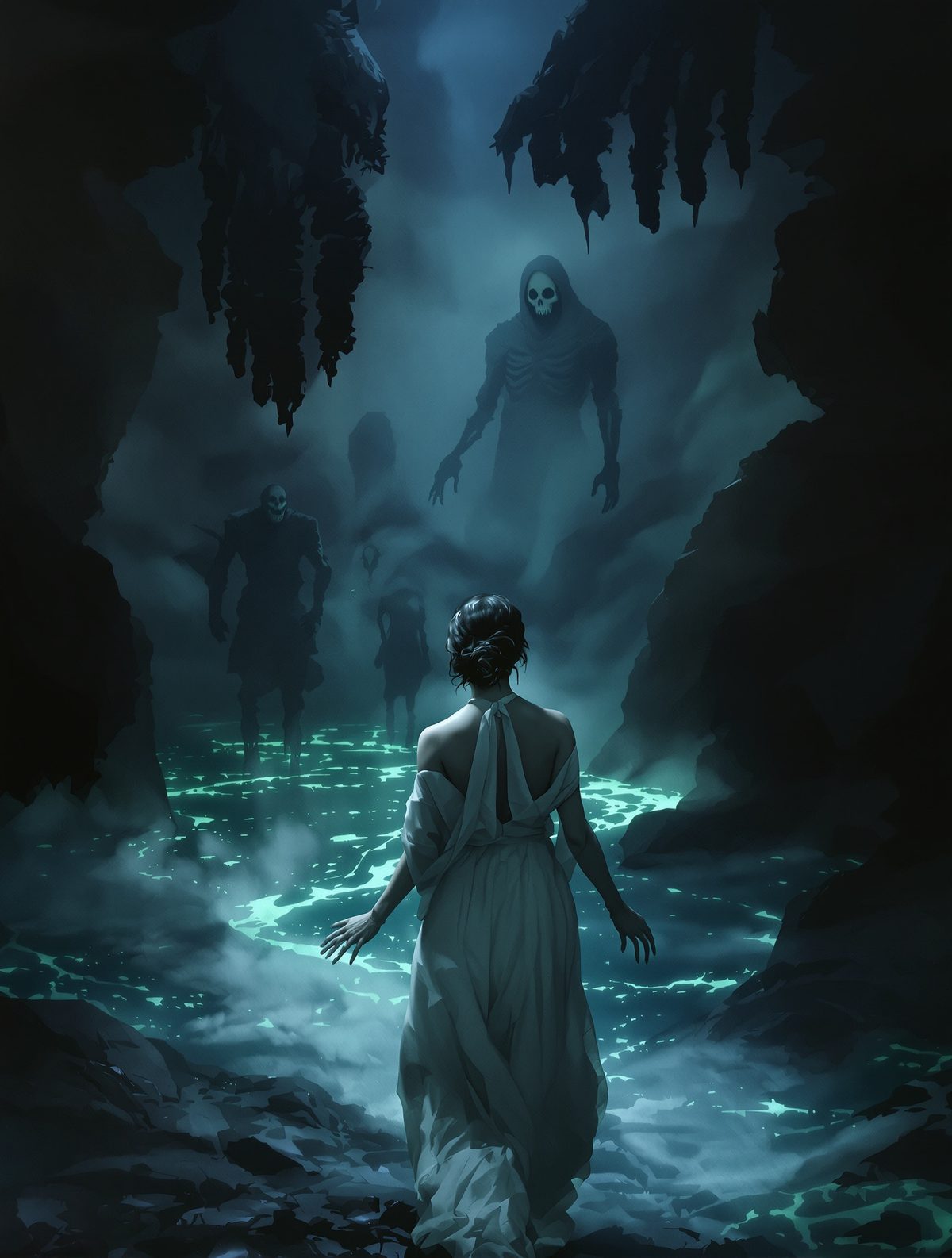
For reasons lost to time but often attributed to Nergal's unruly nature, the divine council dispatched him to the Akkadian underworld of Irkalla. His task was ostensibly diplomatic; he was to deliver a tribute to Ereshkigal, the formidable queen of the dead, as an act of contrition. Positioned a perpetual realm of stone and shadow, Irkalla wasn’t a place any god visited lightly or willingly. Yet here was Nergal, banished and burdened, standing at its gates, unaware of the twist of fate that awaited him.
Arrival at Irkalla: The Challenge of Ereshkigal
Contrary to what you might expect, the underworld queen was not a tyrant prone to cruelty. Ereshkigal ruled with an iron yet fair hand, tasked with governing the deceased's endless flow. Her domain was bleak and silent, punctuated by the whispers of souls whose lives had slipped away. Ereshkigal's sovereignty was firm, unchallenged—until war entered her court disguised as diplomacy.
When Nergal first set foot in Irkalla, time seemed to slow. Nothing could anticipate the indignant shift when he refused to bow to Ereshkigal. This defiance struck the core of her authority, heightening the tension between two realms. Here lay the first seeds of their gripping encounter: a potent mix of rebellion, respect, and something else not even the gods could fathom.
The Clash of Will: Sword Drawn, Throne Seized
The drama reached its zenith in a confrontation that reverberated throughout the godly realms. What was expected to be a brief sojourn expanded into a monumental standoff. The catalyst? An unexpected passion that ignited between Ereshkigal and Nergal. Yas it led to a partnership, it was no mere romantic dalliance but a cunning political union.
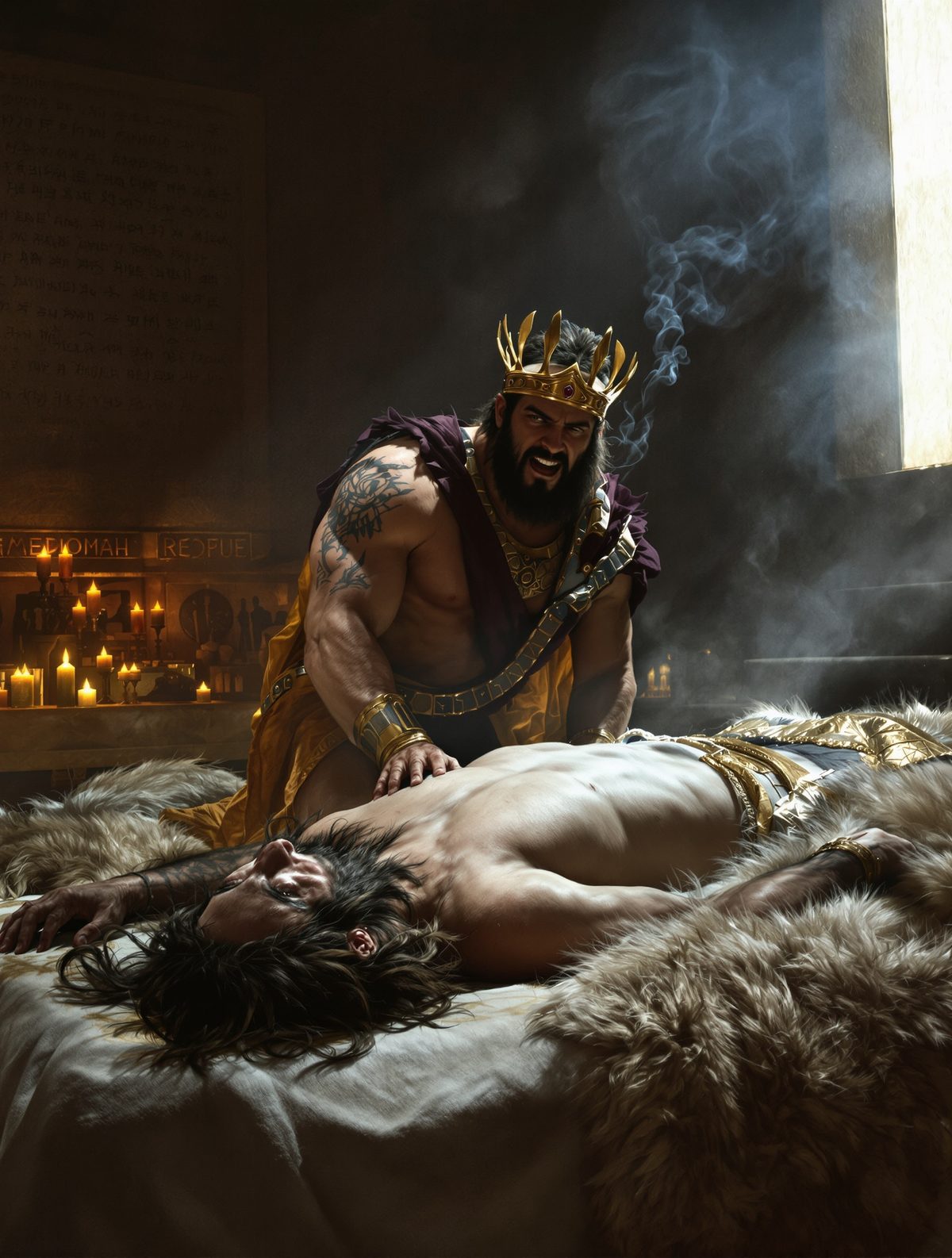
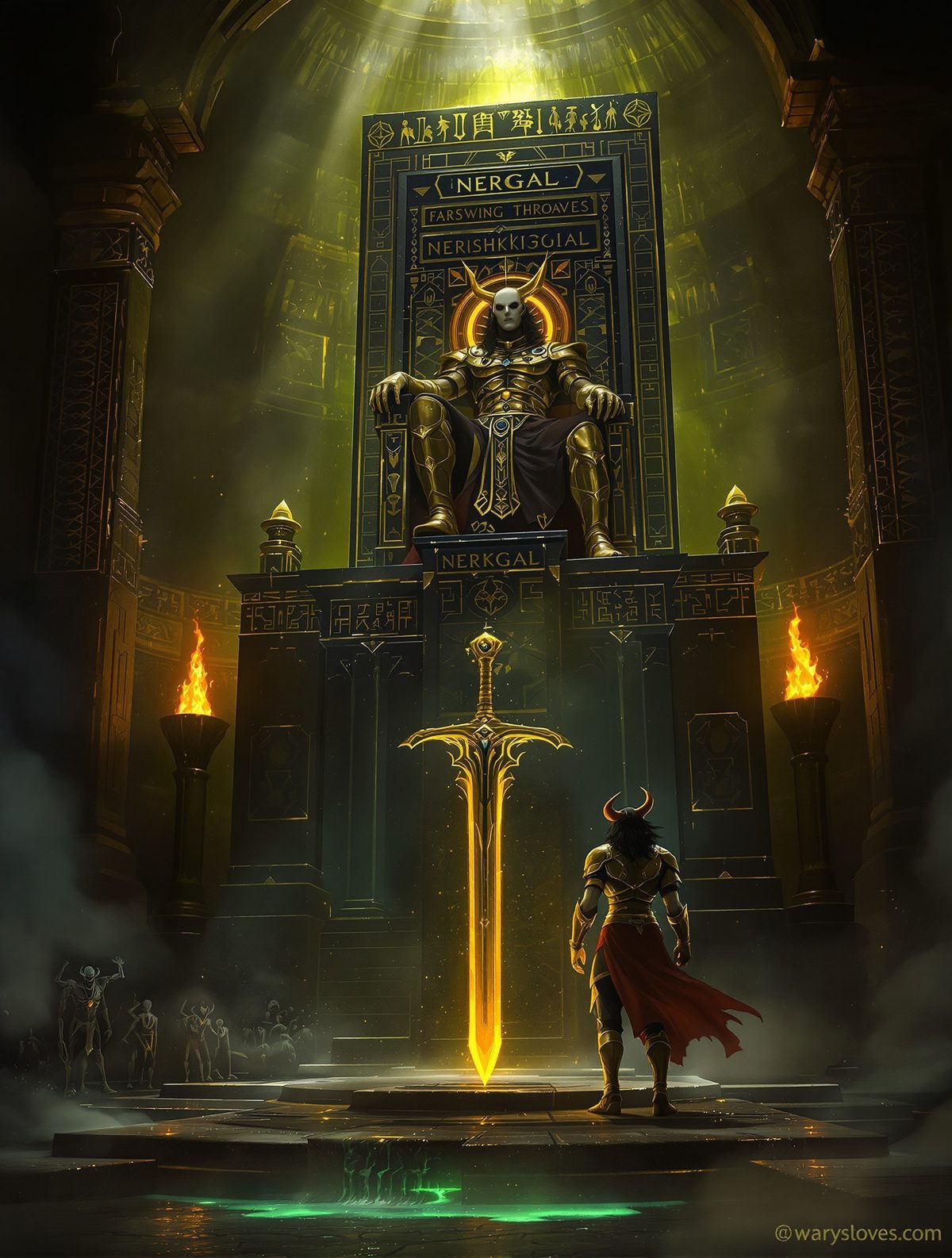
Faced with the prospect of leaving after 30 days, Nergal instead drew his sword—a defining moment pitch-perfect for the chaos of warfare he symbolized. Surging with renewed purpose, he seized Ereshkigal’s throne, not through brute force alone but with a charisma and strategy perhaps unforeseen by the deities who banished him. What might have spiraled into eternal enmity became an unparalleled alliance. Nergal now stood as king of the underworld, equal to its queen in both power and purpose.
A Union of Gods: From Tactical Move to Enduring Partnership
If this kind of alliance seems improbable, it’s because it is a testament to the complicated nature of divine diplomacy. Their marriage wasn't merely about love—it was about securing an invincible power dynamic. The dimension of the underworld itself transformed, overseen by two entities harnessed in harmony.
This was no small feat. The bonds of the world above and below grew sturdier, passages of life and death shaped with renewed vigor. Nergal and Ereshkigal's rulership created a nuanced order, equitably governed, assisting each realm while subduing chaos. Unexpectedly cooperative, their union epitomized the potential for balance, even in shadow-ensnared realms.
The Everlasting Impact: Legends and Lessons for Today
What remains most resounding about this myth isn't the military bravado or the love triangle trope but the sheer unpredictability of human—or godly—ambition. In an era where tales from the past often bore unequivocal morals, here stood a story less of might making right, but of reinvention and pacification.
As we ponder what Nergal's tale means for us today, it casts a revealing light on our own struggles and conflicts. Whether negotiating personal trials or international politics, every descent into one's metaphorical underworld represents an opportunity for metamorphosis. Nergal's insistence on remaking his destiny serves as an eternal reminder of the resilience of spirit, even in the most desolate of places.
In the realms of both myth and truth, when confined by hardship or failure and faced with seemingly unbeatable odds, remember this: a journey starting in disgrace can end with the triumphant claim over one's fate. Just as Nergal, who embarked bound in shame only to rise as a monarch.