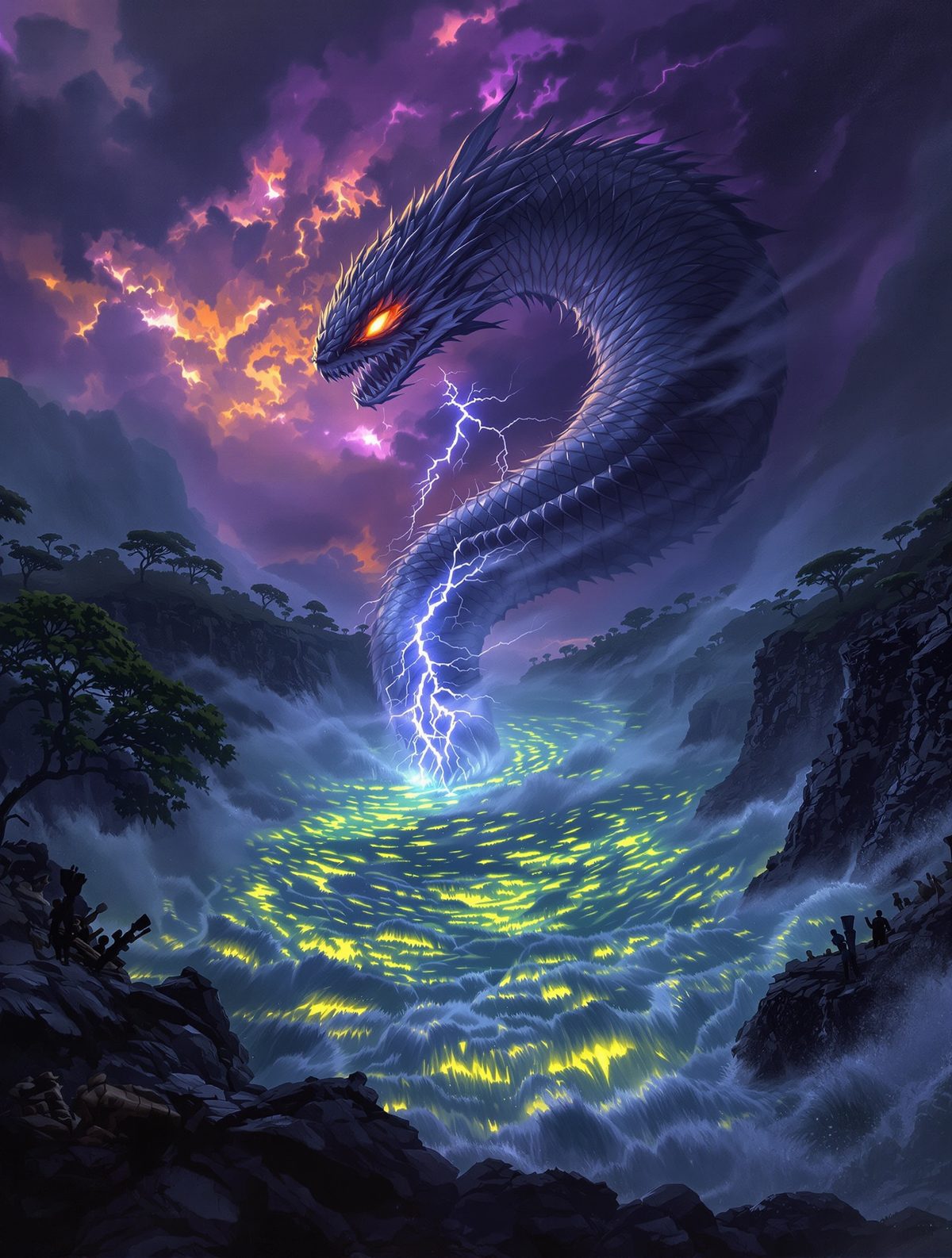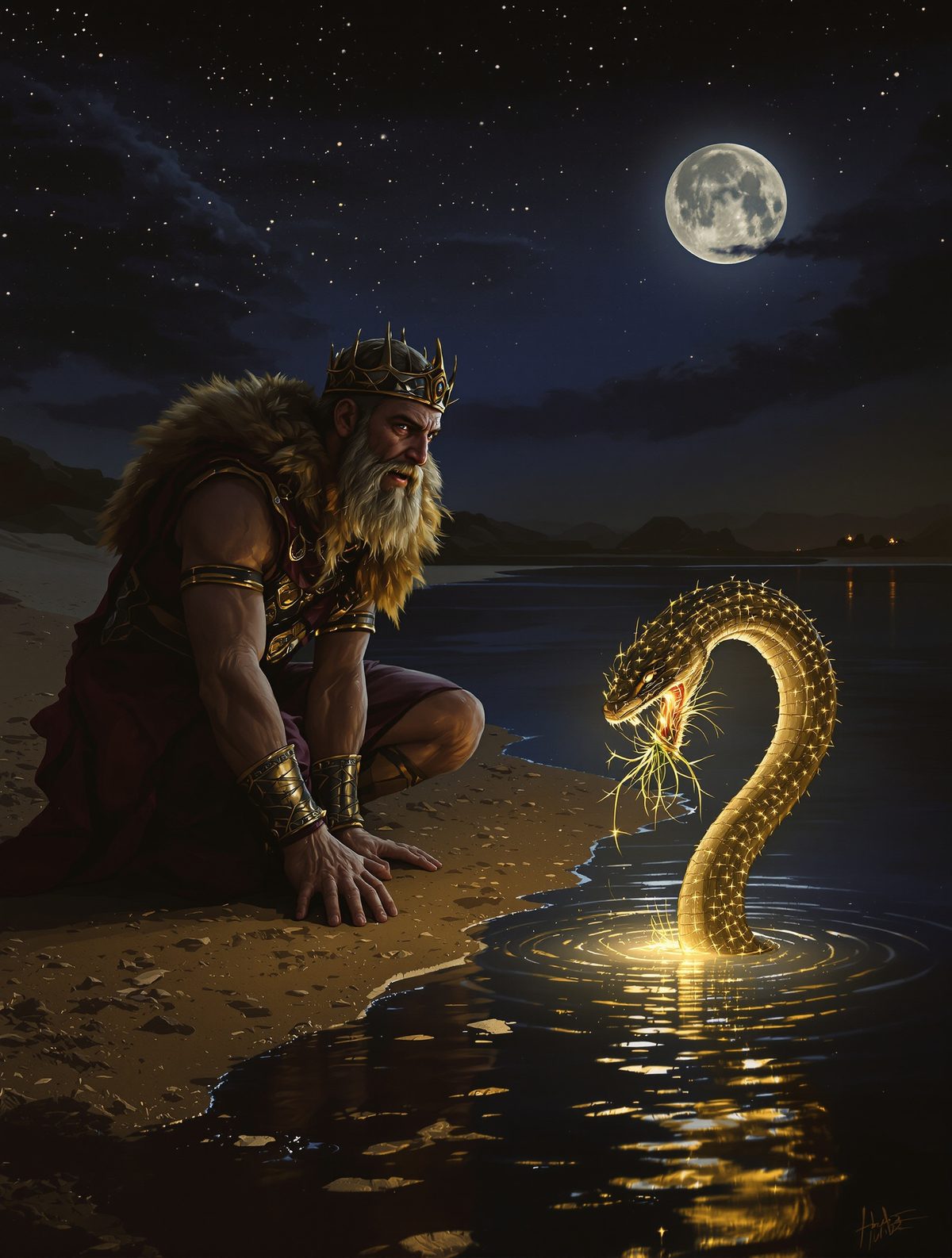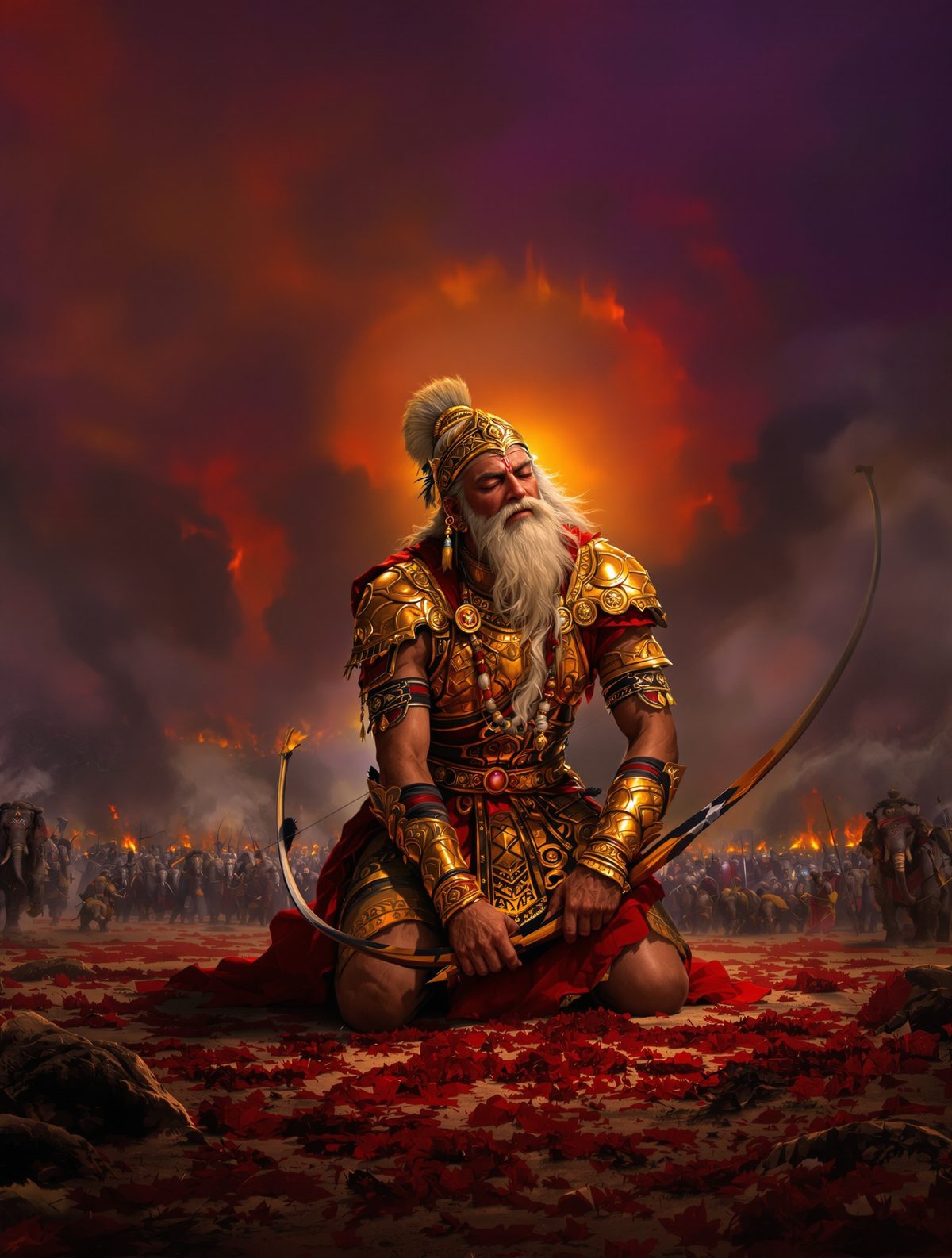
In a realm woven with mystery and reverence, where the timeless words of the Upanishads first took root, emerges a tale that defies both gods and mortals. It is the story of a boy whose resolve was as unbreakable as the fundamental truths he sought to uncover. In the ancient lands of India, in an age where mythical legends and human lives intertwined, a boy named Nachiketa stood at the threshold of life and death, demanding answers from none other than Yama, the god of death himself. It is a tale that pulsates with the heartbeat of ancient wisdom and speaks to a perpetual quest for understanding.
The Words That Sealed a Fate
In the sacred texts of the Katha Upanishad, we encounter a character whose insatiable curiosity and unyielding determination altered his destiny. Nachiketa was the son of a sage named Vajasravasa. The father's heart, once filled with ambition and a desire for divine favor, led him to a peculiar act — a sacrifice of all his worldly belongings. Cows, meant for sacrifice, were old and barren, unfit even by mundane standards. This hollow offering sparked a question in young Nachiketa, who, with childlike honesty, implored his father to consider a deeper offering.
Vajasravasa, burning with anger at his son's rebuke, spoke words that would echo through the annals of myth. "To death, I give you," he declared, unknowingly sealing his son’s fate. In the culture of ancient India, where spoken words bore the weight of irrevocable actions, this outburst became a reality. This moment, etched in cosmic inevitability, set Nachiketa on a journey toward the very heart of existence.
The Journey to the Kingdom of Death
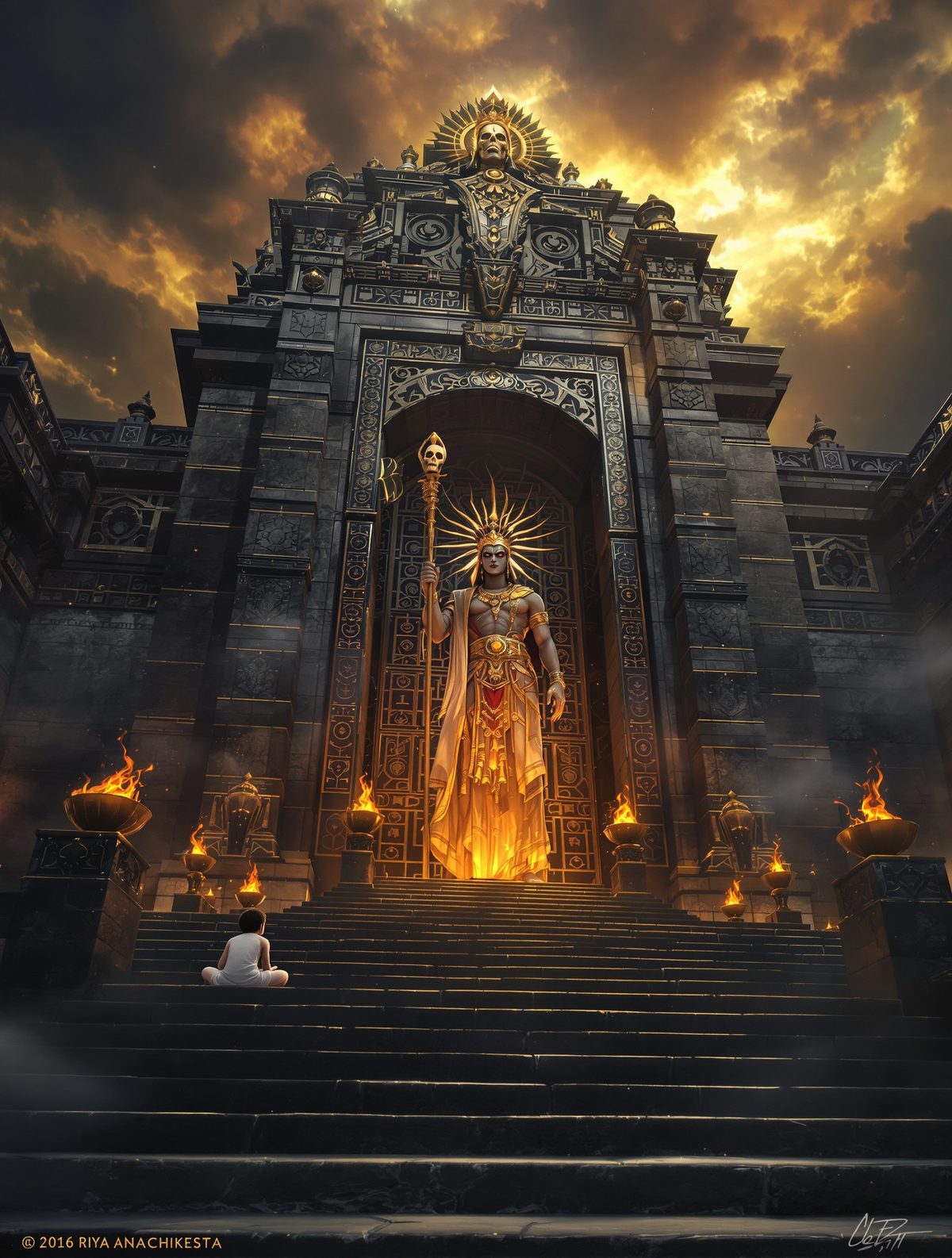
Undeterred by the grim declaration, Nachiketa embarked on a quest that danced between the worlds of the living and the dead. He made his way to the shadowed realm of Yama, a domain infused with the whispers of unending cycles and finalities. Here, he found himself at the threshold of the god of death, a gatekeeper of ultimate truths that no mortal dared to question.
For three days and three nights, Nachiketa waited without sustenance, his resolve a beacon of unyielding patience. In the traditions of ancient India, the number three holds significant weight, often representing a cycle or cycle's completion. This time spent in waiting was not merely a test of endurance but a negotiation with destiny. As the myth unfolds, it is said that such was the efficacy of his fasting and silence that Yama had no choice but to comply with this visitor's demands.
The Confrontation with Yama
Upon his return, Yama, humbled by the audacity of a mere boy's steadfastness, offered Nachiketa three boons. The first boon was an immediate restoration, a peaceful return to his father — a resolution to the unintended rupture in their bond. The second request reflected a boy’s simple longing: the knowledge of sacred fire, the Agni ritual that could transcend the physical world. But it was the third boon that pierced the veil of mortality.
In asking for the secret of what lies beyond death, Nachiketa posed a question that had eluded sages and scholars. The profundity of this request — to know the nature of Atman and Brahman, the self and the universe, life and what lies beyond — startled even the god of death. Yama, in a masterstroke of cosmic wisdom, attempted to dissuade the boy with worldly pleasures and divine privileges, yet the boy remained unmoved.
“How transient,” Nachiketa stated, brushing off the baubles of the mortal coil. His insight was a testament that aged beyond his years, pressing Yama deeper into revelation.
The Secret Unveiled
Yama, recognizing the purity of Nachiketa’s inquiry, imparted knowledge that resonated with the divine vibrations of truth. He spoke of Atman, the eternal aspect residing within all beings, the core essence unchanged and unmovable by the deeds of the physical realm. He unveiled the unity between Atman and Brahman, teaching Nachiketa the ultimate liberation, moksha — the release from the cycle of rebirth and recognition of one's true self.
Within this instruction, Yama intertwined the knowledge of yoga, meditation, and the discernment required to perceive the supreme reality. This discourse became a cornerstone of Hindu philosophy, capturing not only a boy’s victory over death through understanding but also gifting humanity a luminous guide for spiritual awakening.
Legacy: Reflection of the Immortal
As we traverse through the echoes of this ancient tale, one cannot help but marvel at the audacity of spirit and perseverance encapsulated in Nachiketa's journey. In an age saturated with material pursuits and fleeting gratifications, Nachiketa’s tale ignites a call to look inward, urging us to seek the profound truths within ourselves and the universe around us.
The story of Nachiketa is not merely an ancient myth buried within sacred texts but a reminder of the insatiable thirst for truth that defines the human spirit. He symbolizes the pursuit of ultimate knowledge, a quest for understanding that transcends the superficial layers of our existence. In demanding the secret of what lies beyond, Nachiketa beckons us to embark on our own voyages of discovery, drawing wisdom from the vast annals of the past.
In contemplating Nachiketa’s journey, we are invited to ponder the highest truths. What, after all, lies beyond the threshold of death? The answer may well be within the echoes of a boy’s unwavering courage and the secrets revealed to him, waiting patiently for our own realization.