Picture this: the most powerful goddess in Mesopotamia, divine mistress of both love and war, descends from her celestial palace to propose marriage to the mightiest hero who ever lived. It should have been the ultimate power couple—beauty and strength, divinity and mortality united. Instead, it became one of history's most spectacular rejections, triggering a cosmic tantrum that would unleash literal hell on earth.
This is the story of how Gilgamesh, king of Uruk around 2700 BCE, looked the goddess Ishtar in the eye and essentially told her she was a black widow who destroyed everything she touched. What happened next would make even Zeus think twice about angering the gods.
When Gods Walk Among Mortals
In ancient Mesopotamia, the line between divine and human wasn't drawn in permanent ink—it was more like a suggestion written in sand. Ishtar, known as Inanna to the Sumerians, wasn't some distant deity who communicated through burning bushes or cryptic omens. She was immediate, present, and involved in human affairs with all the subtlety of a charging rhinoceros.
Archaeological evidence from Uruk—modern-day Iraq—reveals a city that was genuinely massive for its time, housing perhaps 50,000 people around 3000 BCE. The ziggurat dedicated to Inanna/Ishtar towered over the city, its blue-glazed bricks catching sunlight like a beacon visible for miles across the flat Mesopotamian plain. This wasn't just a place of worship; it was a statement of power that could be seen from neighboring kingdoms.
Gilgamesh ruled this magnificent city as both king and high priest, making him one of the most powerful figures in the known world. Standing over six feet tall in an era when most men barely reached five and a half feet, he would have been literally head and shoulders above his subjects. But even giants can make colossal mistakes.
The Proposal That Shook Heaven
According to the Epic of Gilgamesh—humanity's oldest known work of literature, carved into cuneiform tablets around 2100 BCE—Ishtar's proposition came after Gilgamesh had slain the monster Humbaba. Fresh from victory, radiating power and glory, he caught the goddess's eye in a way that would change everything.
"Come, Gilgamesh, be my husband!" she declared, offering him riches beyond imagination: a golden chariot with wheels of gold and horns of precious stone, storm demons to pull it through the air, and the submission of kings and rulers who would bring tribute to his feet. In any other story, this would be where our hero gratefully accepts and lives happily ever after.
But Gilgamesh knew his mythology. And he had the audacity—or stupidity—to remind Ishtar of hers.
The Inventory of Destruction
What followed was perhaps history's first recorded example of someone reading their ex's dating history out loud in public. Gilgamesh systematically catalogued Ishtar's previous lovers and their grisly fates, creating what scholars now call the "Lover's Lament"—a poetic list that reads like a supernatural crime scene report.
First, there was Tammuz, the shepherd god who became her consort. Ishtar's love for him was so intense that when he died (some versions suggest she killed him herself in a fit of passion), she literally descended into the underworld to retrieve him. But her solution? Condemning him to spend half the year in the realm of the dead, creating the cycle of seasons through divine domestic drama.
Then came the allallu-bird, which she loved until she broke its wings. A lion, which she trapped in pits despite its strength. A stallion she adored until she decreed it should run itself to death. A shepherd who brought her bread and roasted goats daily—until she turned him into a wolf, hunted by his own dogs.
But perhaps most tellingly, Gilgamesh mentioned Ishullanu, her father's gardener, who had the temerity to refuse her advances. His punishment? She turned him into a blind mole, forever scrabbling in darkness. The message was clear: whether you accepted or rejected Ishtar's love, destruction followed.
Divine Nuclear Option
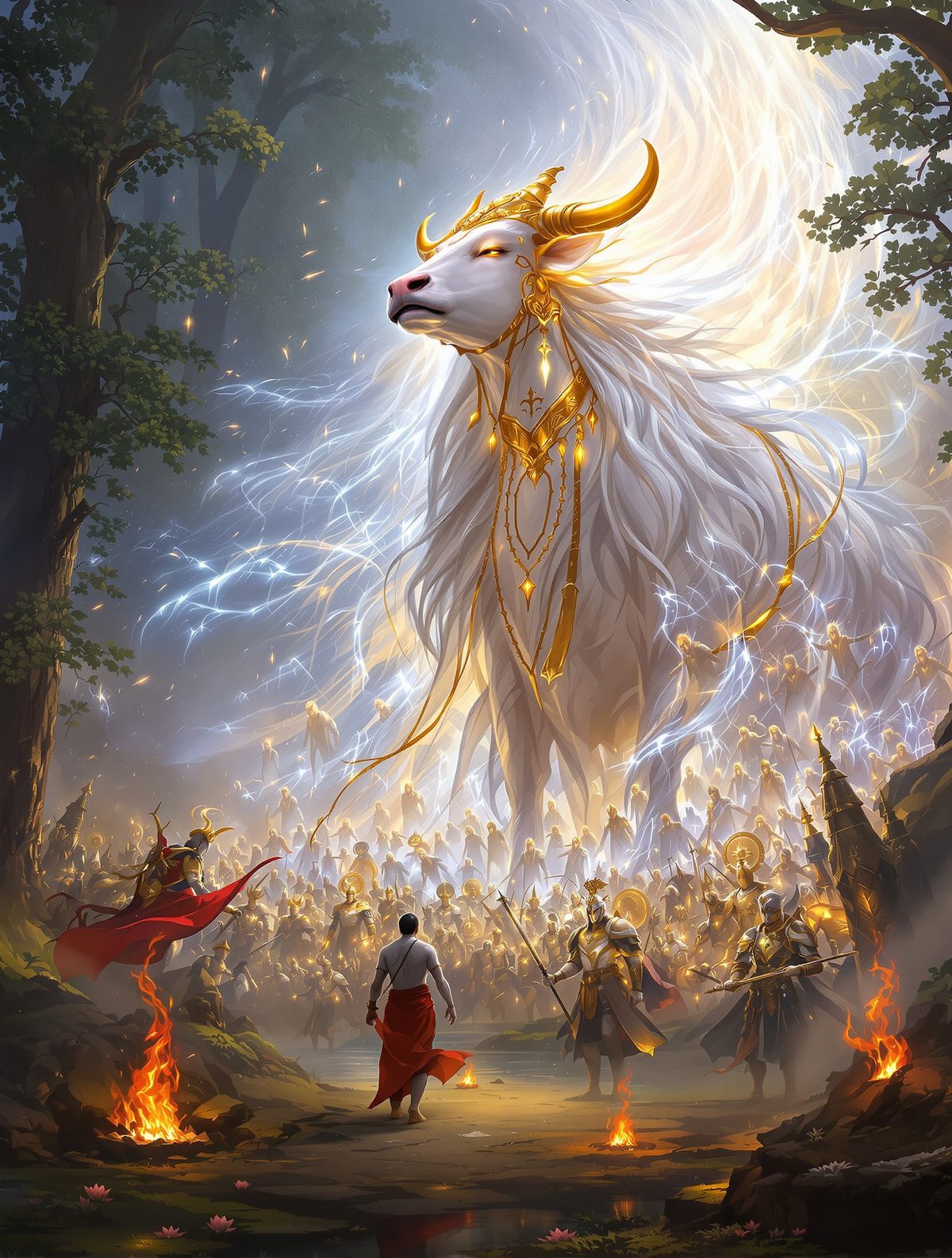
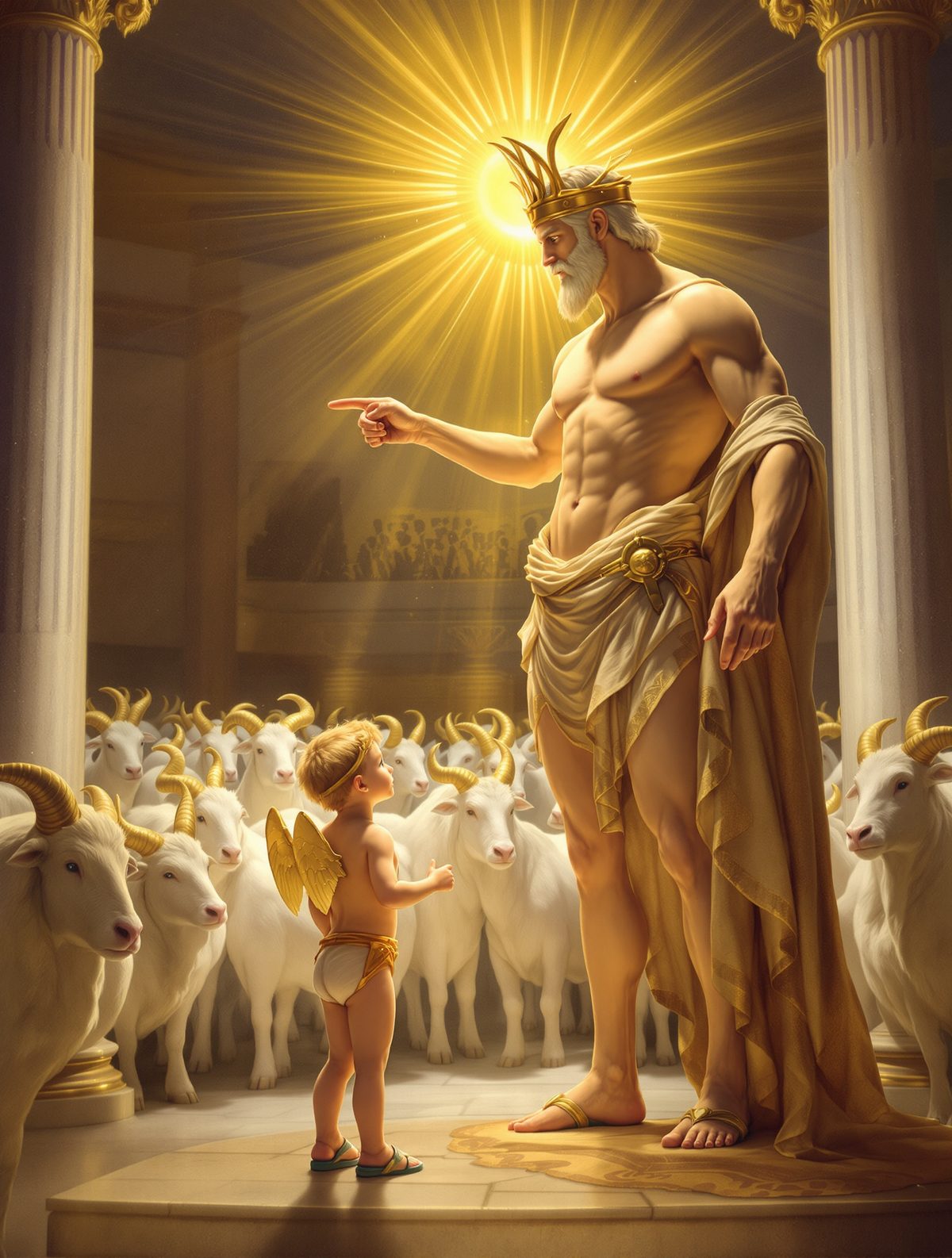
Hell hath no fury like a goddess scorned. Ishtar's rage at this public humiliation was so intense that she immediately stormed up to the highest heaven to confront her father, Anu, the supreme sky god. What she demanded would make any parent pause: she wanted the Bull of Heaven—Gugalanna in Sumerian—essentially a cosmic weapon of mass destruction.
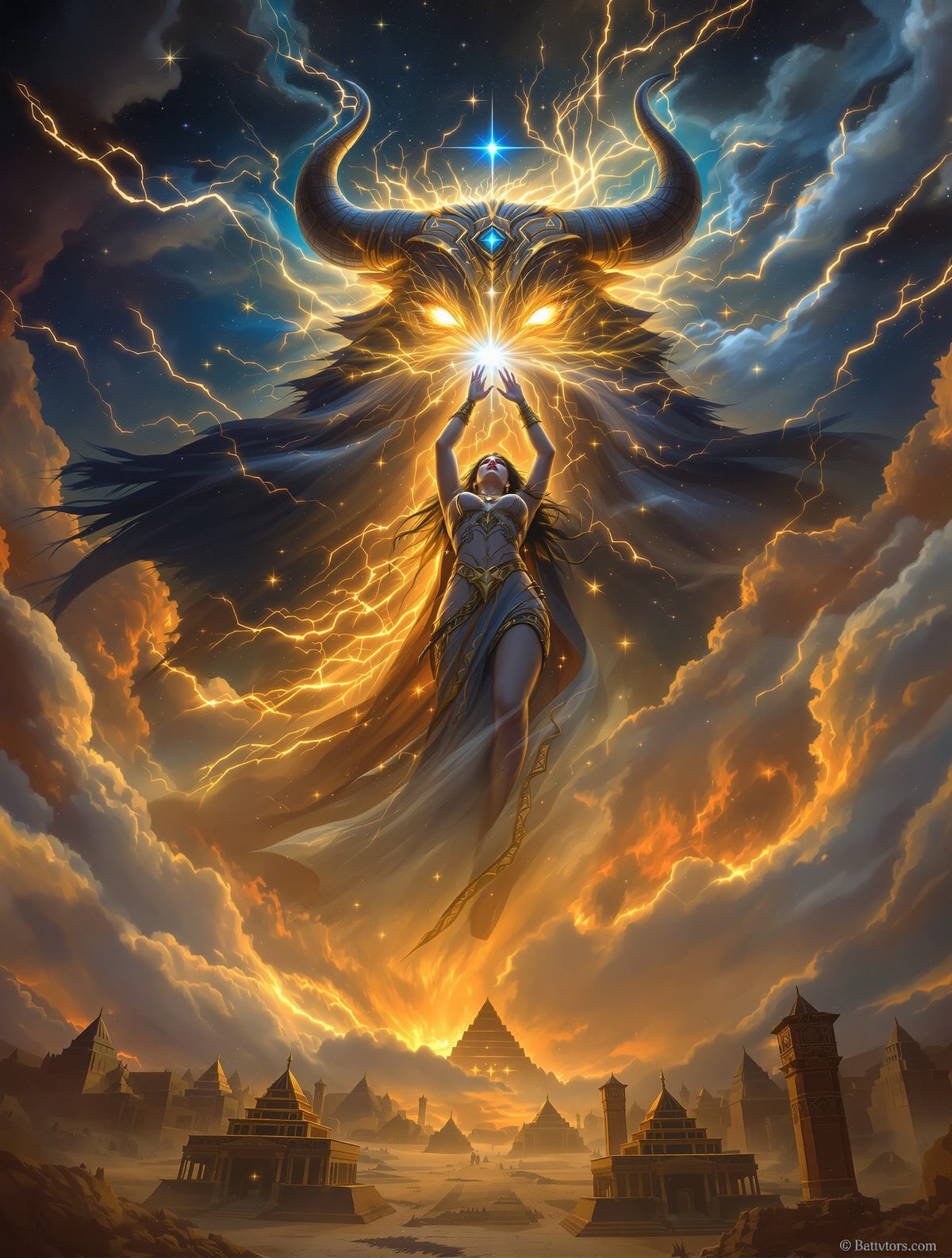
This wasn't just any mythological beast. The Bull of Heaven represented drought, famine, and earthquake all rolled into one terrifying package. Ancient Mesopotamian astronomy identified it with the constellation Taurus, and its earthly manifestation could kill hundreds with each breath, crack the earth with each step, and drain rivers with each drink.
When Anu hesitated—even supreme deities apparently had concerns about giving cosmic WMDs to angry daughters—Ishtar threatened something even more terrifying. She would break down the gates of the underworld and "let the dead go up to eat the living." Essentially, she would end the world out of spite if she didn't get her revenge weapon.
Faced with choosing between localized destruction and global apocalypse, Anu caved. The Bull of Heaven was unleashed upon Uruk.
When Monsters Walk the Earth
The Bull's arrival was nothing short of catastrophic. With its first snort, it opened a pit that swallowed one hundred men. With its second breath, another hundred vanished into the earth. The ground cracked and split, buildings collapsed, and the great city of Uruk—this beacon of civilization—teetered on the edge of total destruction.
But here's where the story takes an unexpected turn. Gilgamesh didn't face this cosmic horror alone. His best friend Enkidu—a wild man turned civilized through friendship—fought beside him. Together, they managed to kill the unkillable, to destroy the divine instrument of destruction itself.
Their victory, however, came at a terrible price. The gods, furious at this affront to divine authority, decreed that one of the two heroes must die. Enkidu was chosen, and his death would haunt Gilgamesh for the rest of the epic, driving him on his famous quest for immortality.
The Goddess Who Rewrote the Rules
Why does this ancient story of divine rejection and cosmic revenge still matter today? Because it reveals something profound about how our ancestors understood power, particularly feminine divine power.
Ishtar wasn't a nurturing mother goddess or a passive beauty. She was complexity incarnate—capable of profound love and devastating destruction, often simultaneously. She ruled over both the bedroom and the battlefield, understanding that creation and destruction were two sides of the same cosmic coin. Her temples employed sacred prostitutes alongside warrior priests, recognizing that the forces of love and war spring from the same passionate source.
In our modern world, where we still struggle with powerful women being labeled as "difficult" or "emotional" when they assert themselves, Ishtar stands as an ancient reminder that feminine rage—particularly when it springs from genuine injustice—can reshape the world. Gilgamesh's rejection wasn't just personal; it was a denial of her divine authority, and her response was proportionally cosmic.
The story also speaks to something timeless about consequences. Gilgamesh was technically correct about Ishtar's history—she had indeed destroyed her previous lovers. But being right and being wise are not the same thing. Sometimes the truth is a weapon that wounds the wielder as much as the target.
Perhaps most importantly, this tale reminds us that even in humanity's earliest stories, we understood that love and destruction often dance together, that passion can be both creative and catastrophic, and that the line between blessing and curse sometimes depends entirely on perspective. Ishtar's rage didn't just unleash the Bull of Heaven—it unleashed a story that has echoed through four thousand years, still teaching us about the terrible, wonderful complexity of divine feminine power.