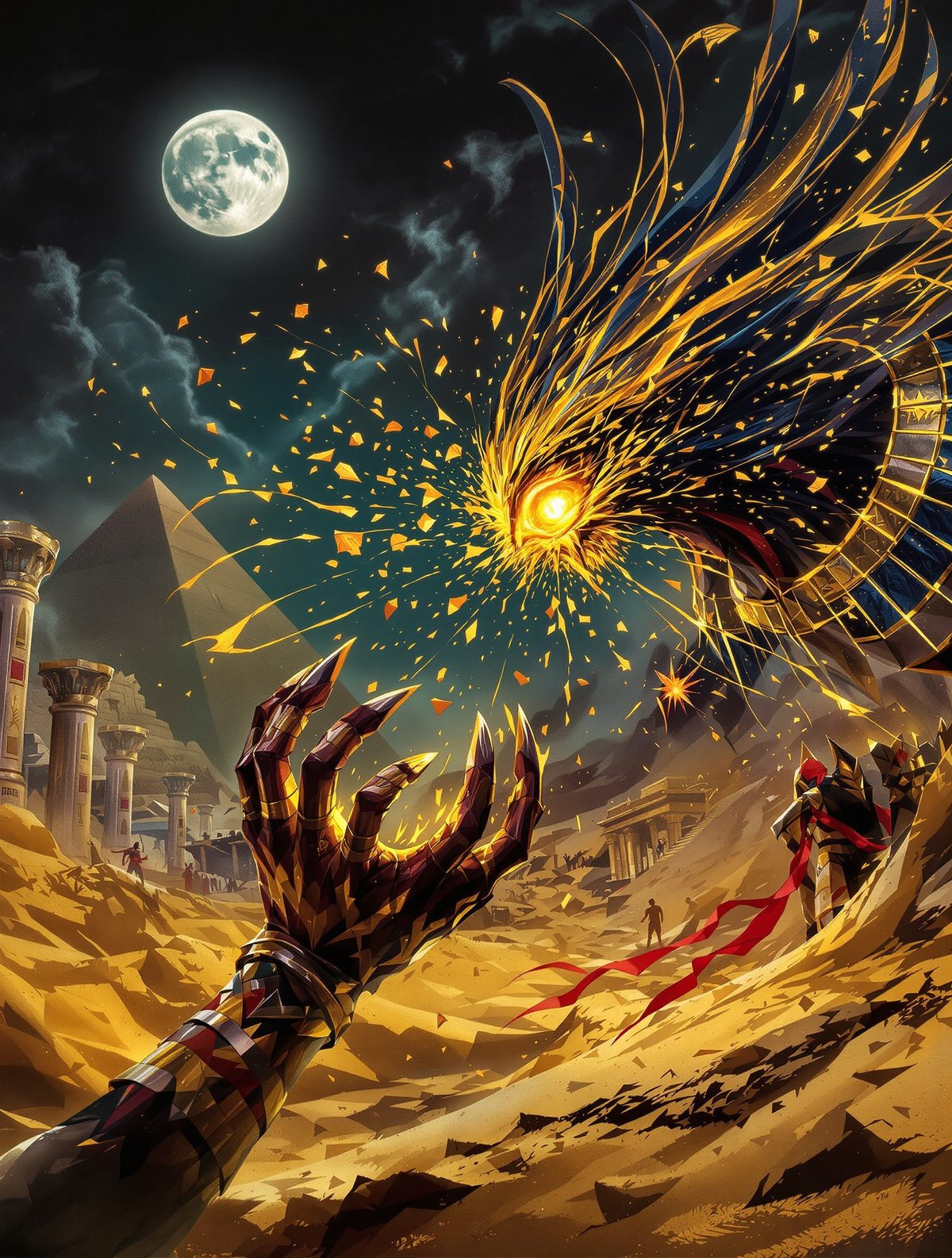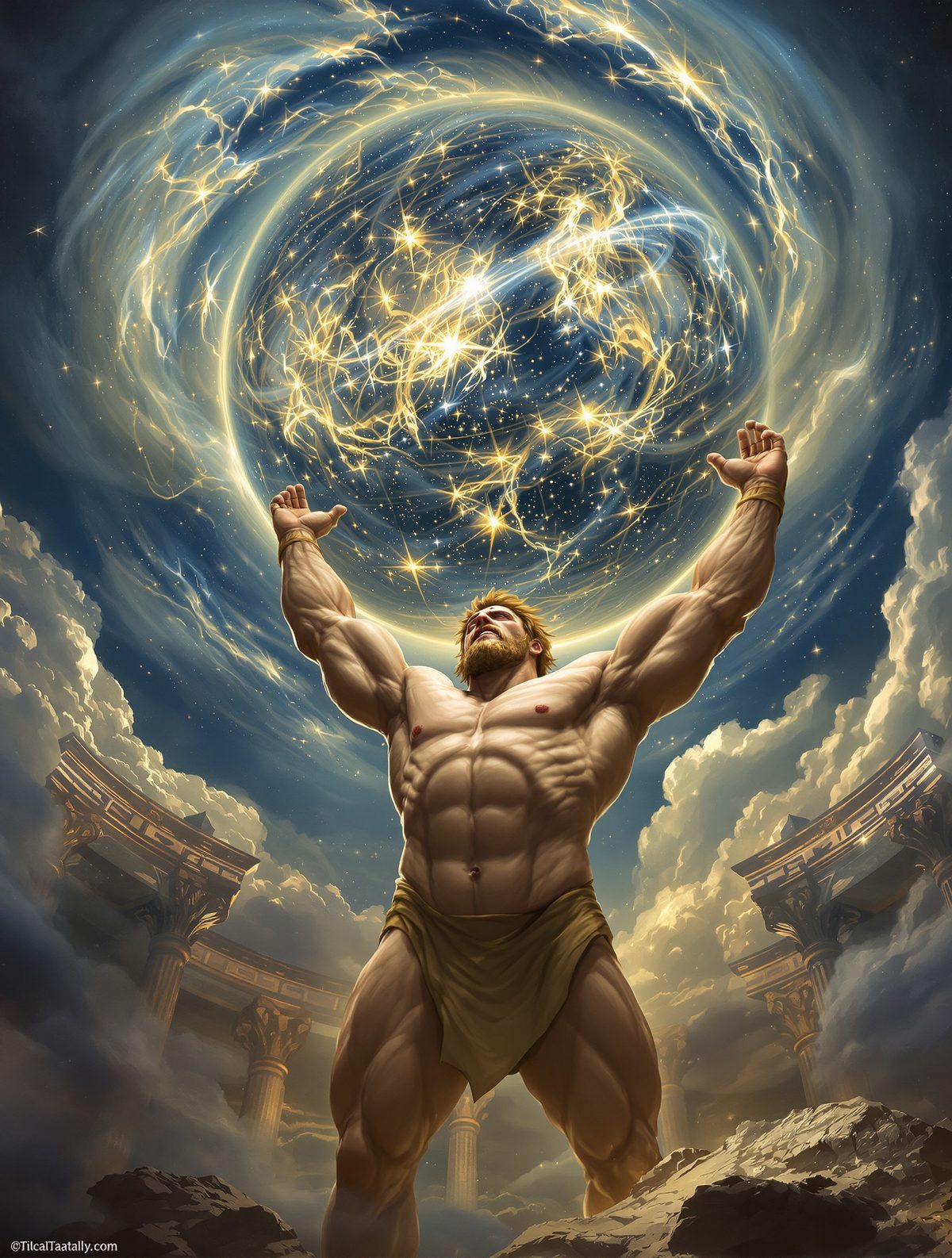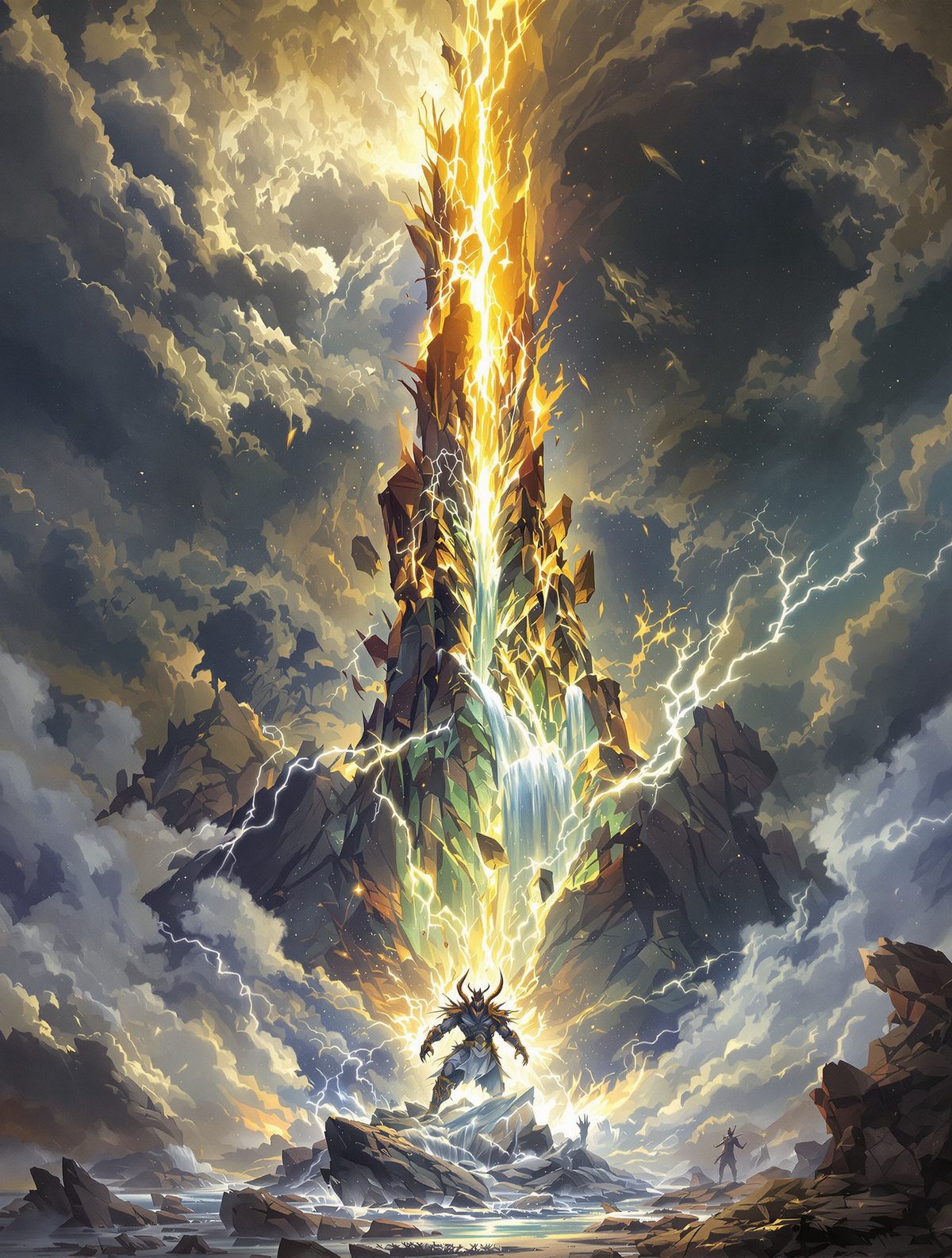
The air was thick with anticipation as the celestial armies gathered on the grassy plains of Heaven. The skies roared with the electric tension between the gods, their eyes set on an impending conflict that promised to shape the cosmos. At their forefront stood the Water God, Gong Gong, muscular and fierce, his resolve as boundless as the rivers he commanded. Across from him stood the champion of the victors, Zhuanxu, a figure of uncompromising authority. In this torrential battle for heavenly supremacy, it would soon be clear that the ramifications were not just celestial, but cosmic—eternal changes etched into the fabric of myth itself.
The Battle That Shook the Heavens
The ancient tales of Chinese mythology, where gods carved the world with their fury and ambition, have endured through centuries, reshaped by storytellers and scholars alike. Among those stories, none resonate quite as powerfully as the tale of Gong Gong's tempestuous clash with Zhuanxu. Gong Gong, the furious deity of water, sought to wrest control of the heavens. Each battalion moved with calculated precision, crashing like titans amidst thunderous clamor.
As the battle unfolded, readers might imagine the world teetering on the edge of chaos — nature itself contorted by the tensions of celestial dissension. Gong Gong's might relied on the oceans and rivers, commanding torrents to withstand Zhuanxu's forces. Yet despite his formidable power, fate, aligned heavily against him, rendered Gong Gong's efforts futile. The stars bore witness to his defeat, a somber confirmation of an unyielding destiny.
The Calamitous Outburst of a Defeated God
The recounting of Gong Gong's wrath not only reveals mythological intrigue but also exposes the profound narrative depths of ancient Chinese cultural beliefs. Lost in disgrace, Gong Gong could find no solace. Desperation gripped him. The mighty Mount Buzhou stood ominously on Heaven's landscape, and in his ultimate despair, Gong Gong plunged headlong into the sacred mountain, the place where heavens were supported by four celestial pillars.
Mount Buzhou's collapse was nothing short of cataclysmic. When Gong Gong's head collided with it, the sacred pillar shattered and heaven itself quaked. The constellations groaned as the sky tilted precariously, forever tilting, as legend recounts, from east to west. This cosmic shift caused the seas to spill furiously northward, carving new paths through the earth. The world was irrevocably transformed.
Reconstructing a Broken World
In this myth, no act of rebellion or retribution occurs without consequence. The loss of heaven's pillar tested not only the gods but also resonated through human existence below. Nuwa, the compassionate goddess famed for her creation of humanity, took upon herself the staggering task of cosmic restoration. As Gong Gong's rage echoed through the cosmos, Nuwa responded with order and balance.
Nuwa's solution was as imaginative as it was epic: to melt the five-colored stones to mend the shattered sky, using the leg of a colossal tortoise as a makeshift pillar. Her deed is encapsulated in ancient lore, a symbolic portrayal of diligence, innovation, and the painstaking quest to rebuild what was lost to divine wrath. Through her persistent effort, equilibrium, albeit altered, was restored. It was a testament to gods whose narratives of disaster eventually led to revival and renewal.
Echoes of the Myth in Chinese Culture
While this myth may appear as mere folklore, its reverberations have profoundly influenced Chinese cultural perception. The tale of Gong Gong encapsulates cosmic harmony split apart by unchecked passion and subsequently reconciled through determined efforts to heal. It serves as a narrative conduit—a warning against hubris and unbridled emotion.
Moreover, Gong Gong's legacy permeates linguistic expressions and idioms. The idea of an unbalanced world, expressed through the term "tiān-pán dì-zhuǎn," encapsulates the myth's aftermath, serving as a reminder of the transient nature of power dynamics both in the celestial realm and our mortal world.
The Eternal Lessons of Gong Gong's Rage
The implications of Gong Gong's act extend toward a timeless message: balance and harmony are paramount. Through the faults of gods, humans might glimpse reflections of their trials and resolutions. Ancient tales, steeped in symbolic layers, continue to offer moral and philosophical guidance centuries beyond their inception.
The story of Gong Gong crashing into Mount Buzhou remains embedded in the cultural consciousness, a living legend that provokes introspection. As the world faces its contemporary tectonic shifts—in social, environmental, and political arenas—this myth offers a poetic yet urgent reminder of the harmony that must be reclaimed. We are called to reconnect with the ancient wisdom, safeguarding the pillars that uphold our own worlds, lest they, too, tilt irrevocably.