Picture this: you're standing before the most powerful beings in the universe, accused of breaking a god's wings, and your divine patron whispers urgent advice in your ear—"Whatever they offer you, refuse it." So when the gods present you with the ultimate gift, the bread and water of eternal life, you do exactly as warned. You turn away. You refuse immortality itself. And in that single moment of misplaced trust, you doom every human being who will ever live to face the inevitability of death.
This isn't a parable or a metaphor. According to the ancient Mesopotamians, this actually happened. And the man who made this catastrophic decision? His name was Adapa, and his story was carved into cuneiform tablets over 3,500 years ago in one of humanity's earliest recorded myths about the origin of mortality.
The Fisherman Who Could Tame Storms
Adapa wasn't just any mortal. Created by Ea (also known as Enki), the god of wisdom and fresh water, Adapa was designed to be the perfect human—a living bridge between the divine and mortal realms. The ancient texts describe him as "the wise one of Eridu," the southernmost of the great Sumerian cities, which the Mesopotamians believed was the first city ever built by the gods.
What made Adapa extraordinary wasn't his strength or his beauty, but his mind. Ea had blessed him with divine wisdom and magical knowledge that no other human possessed. Adapa could read the sacred cuneiform scripts that recorded the will of the gods, he understood the movements of the celestial bodies, and most remarkably, he had been granted certain divine powers over nature itself.
By day, Adapa served as a priest in Ea's temple, performing the sacred rituals that maintained the cosmic order. But he was also a fisherman, and each morning he would take his boat out onto the Persian Gulf to catch fish for the temple offerings. Here's what most people don't know: Adapa's fishing trips weren't just about catching dinner for the gods. He was so attuned to the natural world that he could actually influence the weather patterns to ensure safe sailing. For years, this arrangement worked perfectly.
When Divine Power Meets Divine Wrath
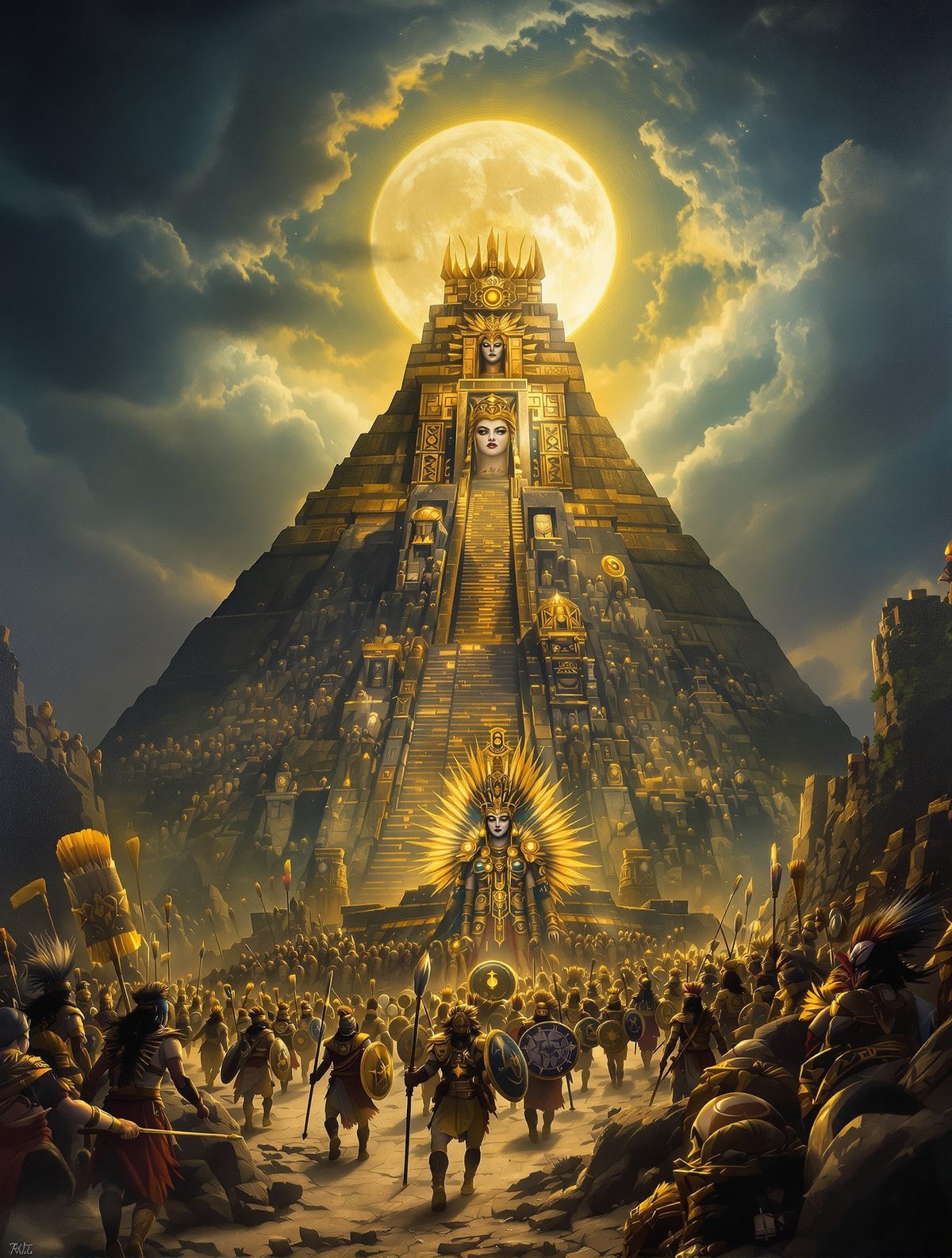
The catastrophe began on what seemed like an ordinary morning around 1400 BCE, during the reign of the Kassite dynasty in Babylon. Adapa had set out in his fishing boat when Shutu, the South Wind, began to blow with unusual violence. The ancient text describes the scene with startling vividness: "The South Wind blew and submerged him, causing him to go down to the home of the fish."
But here's where Adapa's story takes a turn that separates it from typical "man versus nature" tales. Instead of drowning or meekly accepting his fate, Adapa did something unprecedented in ancient literature—he fought back against a god. Using the divine power Ea had granted him, he didn't just calm the wind. In his rage and desperation, he actually broke the South Wind's wings.
Imagine the audacity: a mortal man, even one blessed by the gods, physically damaging a divine being. The result was immediate and catastrophic. For seven days, the South Wind couldn't blow across the earth. In ancient Mesopotamia, where the seasonal winds were crucial for agriculture, trade, and the entire rhythm of life, this was equivalent to stopping the sun in the sky.
Summoned Before the Court of Heaven
The silence of the South Wind didn't go unnoticed in the highest heaven. Anu, the king of the gods and ruler of destiny, demanded answers. "Why has the South Wind not blown over the land for seven days?" When his advisors explained that a human had broken Shutu's wings, Anu's reaction was swift and terrible: "Bring him up!"
This is where the story becomes a masterclass in ancient political intrigue. Ea, despite being Adapa's creator and patron, found himself in an impossible position. He had created a human with godlike powers, and now that human had attacked a fellow deity. Ea couldn't protect Adapa from Anu's summons, but he could try to ensure his creation survived the encounter.
In a scene that reads like a divine espionage thriller, Ea gave Adapa detailed instructions for his appearance before the heavenly court. He told him exactly how to dress (in mourning garments), whom to befriend (the gods Tammuz and Gizzida, who guarded Anu's gate), and most crucially, what to do when offered food and drink: refuse everything.
Ea's reasoning seemed sound. He warned Adapa: "They will offer you the bread of death—do not eat it. They will offer you the water of death—do not drink it." In Ea's mind, this was obviously a trap. Anu would try to poison the troublesome human who had dared to injure a god.
The Ultimate Test of Trust
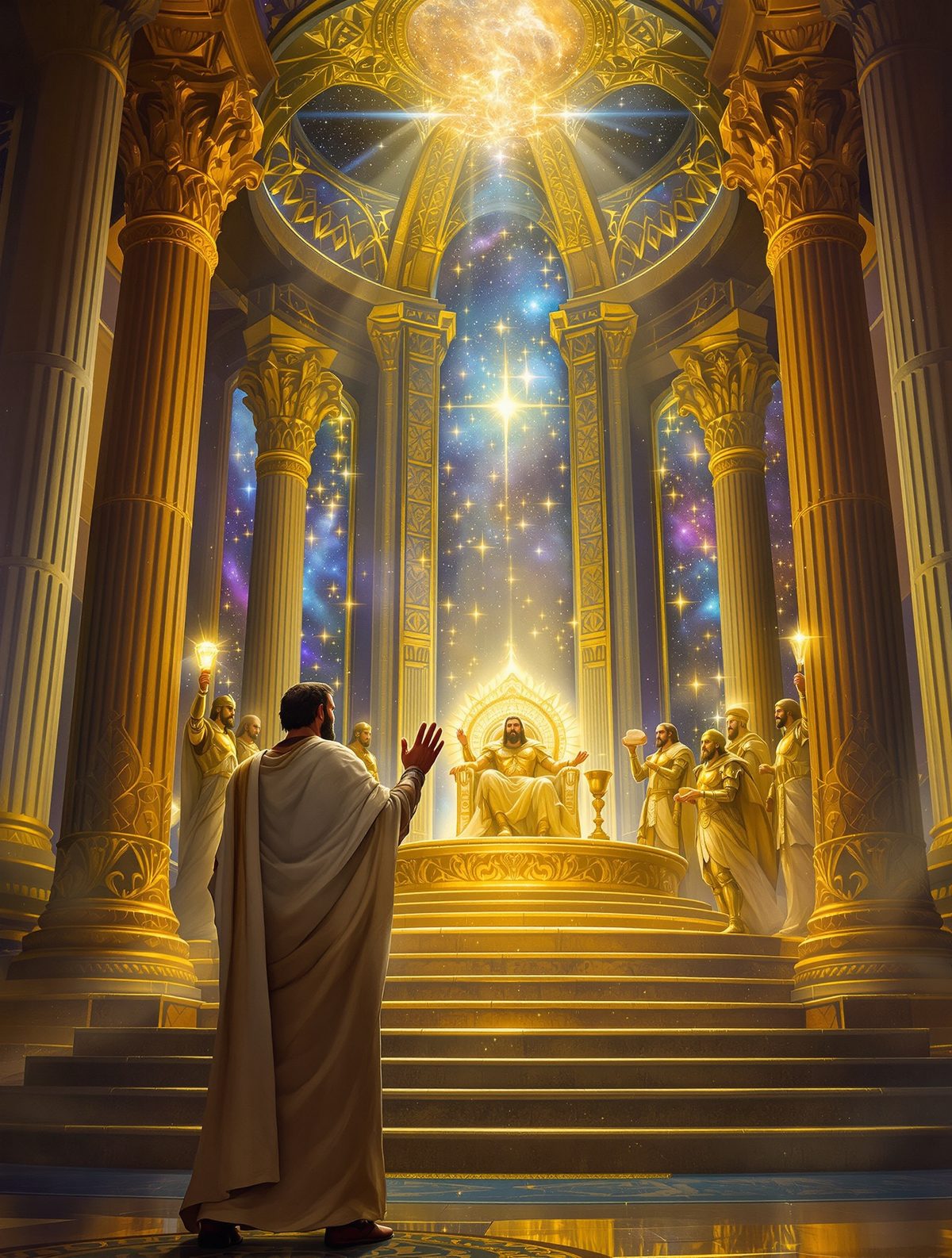
What happened next in Anu's heavenly court is one of the most psychologically complex scenes in all of ancient literature. Adapa followed Ea's advice perfectly. He dressed in mourning clothes, befriended Tammuz and Gizzida (who were so impressed by his wisdom and humility that they spoke on his behalf), and when he appeared before Anu, he explained his actions with such eloquence that the king of the gods was actually impressed rather than enraged.
But here's the detail that changes everything: Anu's reaction wasn't what Ea had expected at all. Instead of being angry, Anu was impressed. Here was a human who possessed divine wisdom, who could control natural forces, and who had appeared before the gods with dignity and honesty. Rather than punishing Adapa, Anu decided to reward him with the ultimate gift.
The text records Anu's words: "Come now, Adapa, why did you break the wings of the South Wind?" After hearing Adapa's explanation, Anu made a decision that would echo through eternity: "Bring him the bread of life and let him eat. Bring him the water of life and let him drink."
This wasn't the bread and water of death that Ea had warned about. This was the bread and water of eternal life—the same divine sustenance that kept the gods themselves immortal.
The Refusal That Changed Everything
Standing before the assembled gods of heaven, with immortality literally in his hands, Adapa remembered Ea's warning. The bread of life sat before him, golden and radiating divine power. The water of life sparkled with the essence of eternity itself. And Adapa, the wisest human who ever lived, made the most catastrophic decision in human history: he refused both.
The ancient text captures this moment with heartbreaking simplicity: "They brought him the bread of life, but he did not eat. They brought him the water of life, but he did not drink."
Anu's reaction reveals the true tragedy of the moment. The king of the gods wasn't angry—he was confused, then disappointed, then resigned. "What has happened? Adapa, why did you not eat or drink? You shall not have eternal life." The opportunity was gone. The moment had passed. And unlike in many myths where heroes get second chances, this decision was irreversible.
The Weight of a Single Choice
The Adapa myth isn't just an ancient story about a fishing accident gone wrong—it's one of humanity's earliest and most sophisticated explorations of the themes that still haunt us today. Trust and betrayal. The gap between intention and consequence. The terrible weight of irreversible decisions.
What makes this 3,500-year-old story remarkable is its psychological realism. Adapa isn't punished for hubris or wickedness—he's destroyed by loyalty. His trust in Ea, his creator and patron, leads him to make a choice that dooms not just himself but all of humanity. It's a tragedy born not from evil but from incomplete information and misplaced trust.
In our age of information overflow and competing authorities, Adapa's story carries a chilling relevance. How often do we make decisions based on advice from sources we trust, only to discover that our advisors didn't have the complete picture? How many opportunities for transformation—personal or collective—do we miss because we're following outdated wisdom or listening to voices that, however well-intentioned, don't see the bigger picture?
The ancient Mesopotamians told this story not just to explain why humans die, but to grapple with one of existence's most painful truths: sometimes the very wisdom that has guided us safely through past dangers becomes the trap that prevents us from seizing unprecedented opportunities. Adapa's tragedy is humanity's tragedy—not that we're incapable of transcendence, but that we so often refuse it when it's offered, because it comes in forms we don't recognize or from sources we don't expect.