In the vast tapestry of Mesopotamian mythology, where gods and legendary creatures spun the fates of mortals and deities alike, one tale reverberates through the echoes of time with the gravity of a collapsing star: the theft of the Tablet of Destinies by the audacious storm-bird Zu. Imagine a moment when both heaven and earth held their breath, when the goddess Inanna paused her dance and the means of divine will hung in precarious balance — for all of creation stood frozen mid-thought.
The Divine Heist: A Bird in the Bath
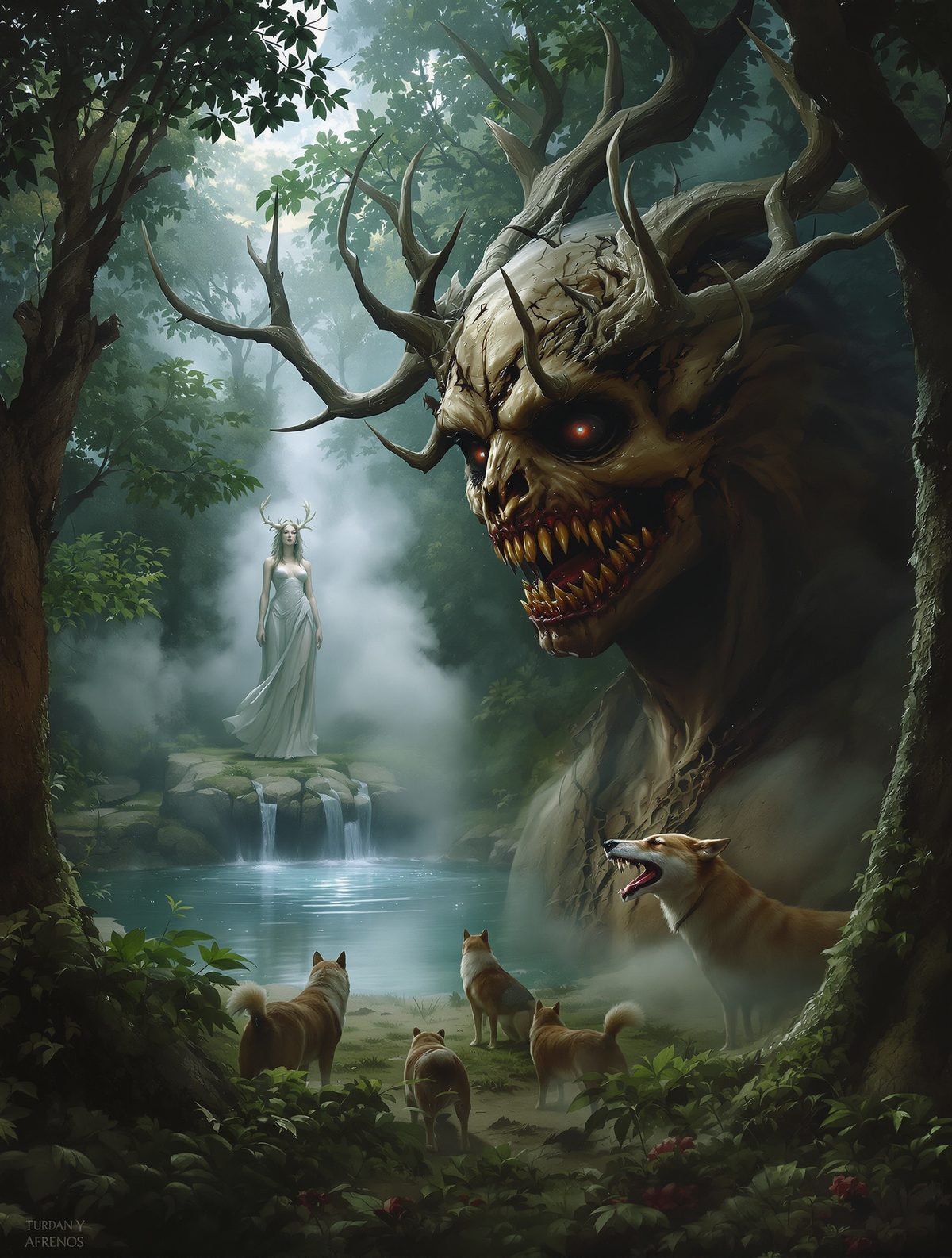
Picture the celestial landscape of Nippur, the spiritual heart of Sumer around the 22nd century BCE. Here, amidst ziggurats towering like mountainous stairways to the heavens, the god Enlil, lord of the winds and ruler of the universe, resided. The Tablet of Destinies — a mystical artifact housing the decrees of fate and the power to govern existence — was his most treasured possession. The scene was as serene as it was sacred: Enlil, in need of rejuvenation, retired for a bath.
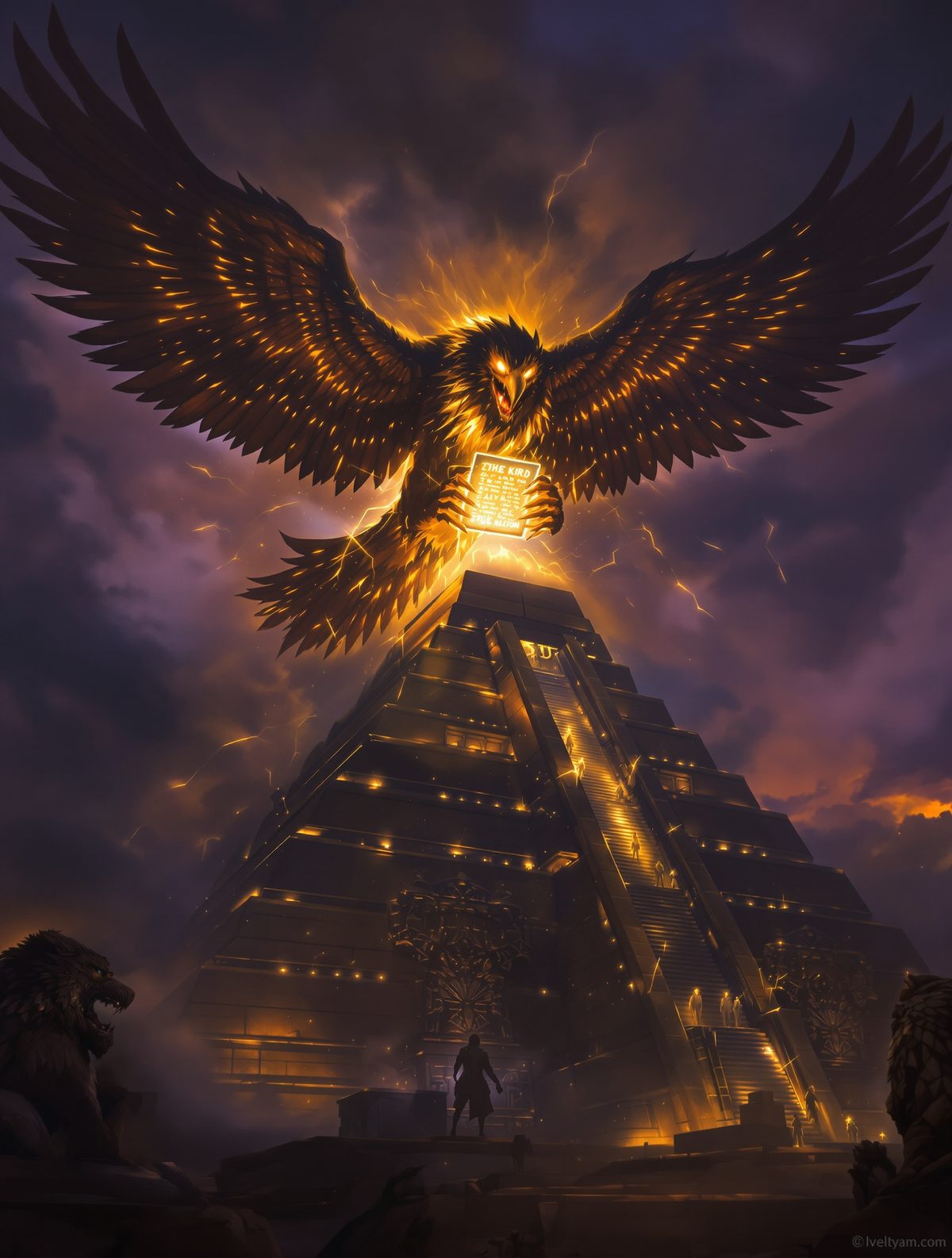
Amidst steam and sacred waters, one cannot overlook the calculated cunning lurking nearby. Zu, a divine creature, part bird and part storm, watched with avian patience. Recognized in Akkadian myths as Anzu — not merely a bird but a force of nature — Zu exploited Enlil's vulnerable moment. With a flash of feathers and a gust of wind louder than a thousand storms, Zu seized the tablet, clutching it tightly in talons sharp enough to sever the fabric of time itself.
The Cosmic Silence: When the Gods Held Their Tongues
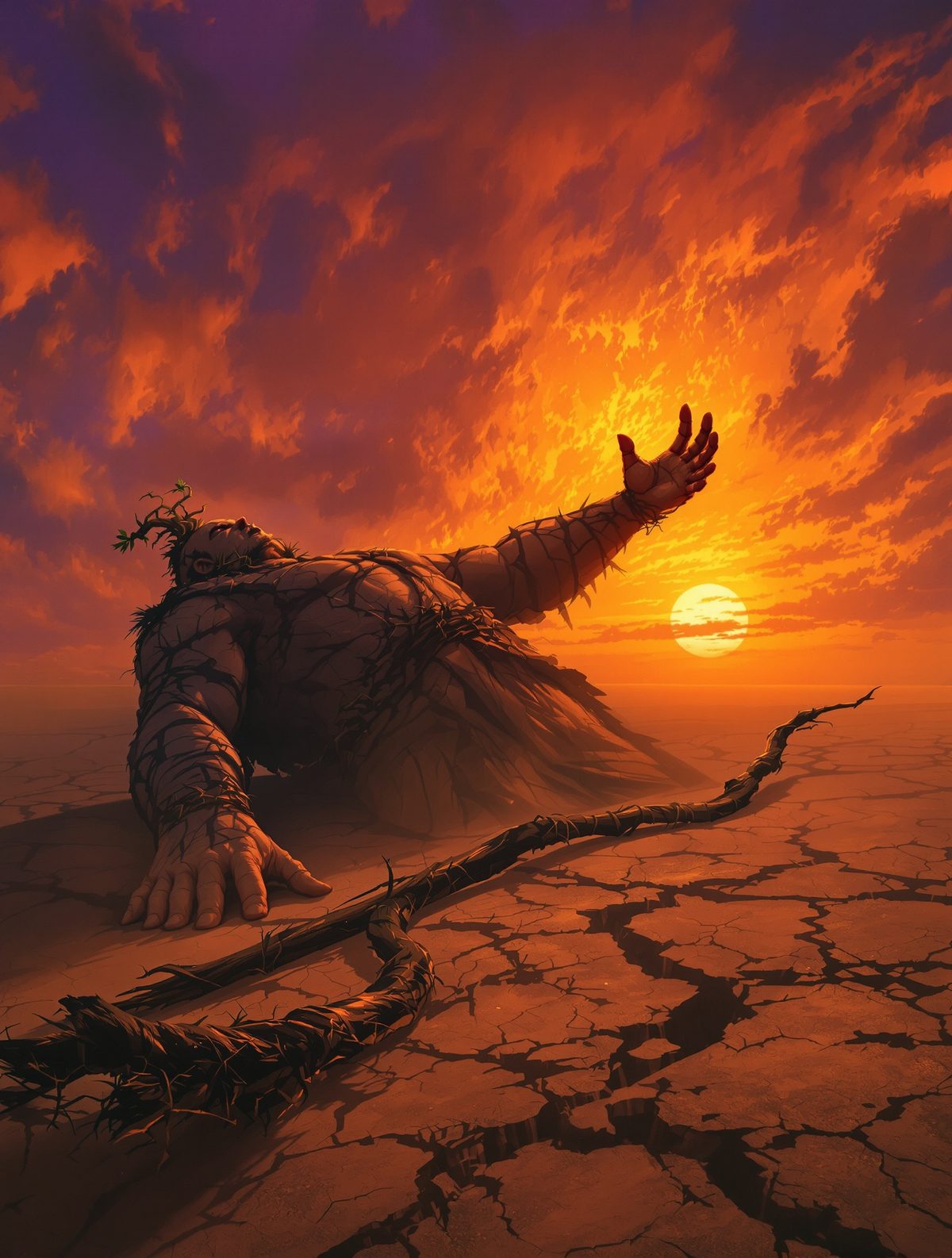
With the Tablet of Destinies whisked away, the cosmos fell into an unprecedented stillness. Imagine a world where rivers stood still, contemplating their journey, and where the sun hesitated at the horizon, unsure of its rise or set. The gods, those mighty beings of unimaginable powers, were struck mute, their voices stolen by a single audacious act.
The power vested in Zu through the tablet was incomprehensible. Each decree once shouted into the winds by Enlil now lay dormant, curled up in Zu’s claws. The once deafening heavens became eerily silent. Lesser-known texts whisper that the great sky god Anu himself felt powerless, a king without command, as all celestial and terrestrial order quivered in uncertain stasis. Zu, now an emperor of chaos, dictated a standstill.
Unlikely Heroes: The Gods on a Quest
Enlil's assembly of the gods sought resolution, their council hanging on whether to bravely challenge Zu or to negotiate with the now rogue deity. Many gods, despite their might, wavered, for to err against Zu would mean disaster for all. It was not until Ninurta, Enlil's warrior son, girded himself in determination that a sense of purpose returned to the divine realms.
Ninurta, resolving to retrieve the stolen fate, embarked on a pursuit painted with hesitation and hope. How does one combat a creature wielding the very script of destiny itself? Ninurta, known for his prowess and bravery, carried upon his brow the weight of worlds, shouldering the responsibility of restoring cosmic balance.
A Battle Beyond Time: Confrontation with Zu
The battle between Ninurta and Zu is not just a clash of titans but an epic unfolding within the mythic landscapes of Mesopotamia. Picture an encounter where the very air reverberates with the tension of tightly drawn bowstrings, thunderous clashes echoing across the celestial plane. Ninurta, armed with divine weapons crafted for such a confrontation, descended upon Zu with the ferocity of unleashed storms.
Zu, empowered and emboldened by the tablet's magic, matched Ninurta’s ferocity. The skirmish raged across temporal plains, with each avian screech and divine war cry mapping the contours of conflict itself. At last, through wit and a myriad of conjured elements, Ninurta overpowered Zu, reclaiming the tablet and releasing the breath of creation with a sigh of relief that rippled through the heavens and earth alike.
The Sublime Aftermath and Modern Reflections
The restored order was not merely a return to cosmic normalcy but an affirmation of the delicate balance between chaos and order. With the Tablet of Destinies back in Enlil’s possession, the voice of the gods resonated once more throughout the universe. Mortals and deities alike resumed their narratives, their paths now clearer, ordained by ancient decrees etched into the divine tablet. However, this episode served as a stark reminder: even the most sacred and secure can be threatened by bold and audacious acts.
Why, you might wonder, does this tale from the dawn of civilization hold significance today? In a modern world rife with rapid change, technological revolutions, and unpredictable chaos, the story of Zu's theft serves as a poignant reminder of fragility. It underscores the power of individual actions, the impact of holding (or losing) control over our fates, and our constant quest for balance in a volatile world.
As we navigate our personal destinies, consider the lessons embedded in ancient clay tablets. They whisper of responsibility, vigilance, and the eternal dance between divine order and chaos — a dance as relevant now as it was on that fateful day in ancient Mesopotamia when the cosmos dared to pause.