Imagine a world in chaos, without form, where time held no meaning and creation awaited a spark. This was the Ginnungagap, the yawning void, existing in its cold emptiness, while unknown to all, the seed of creation lay in the flesh of a slain giant. Ymir's blood, the twin of the void, would soon become the rivers, seas, and oceans you come across today.
The Birth of the Primeval Giant
In the dawn before dawns, in the depths of Norse mythology, there resided the primordial void of Ginnungagap. To its north lay the icy realm of Niflheim, and to the south, the fiery world of Muspelheim. Over the ages, the warmth of Muspelheim met the frost of Niflheim, producing rivers of venom that froze and melted into Ymir, the first being — a being of immense stature, emerging from the rime. Ymir was a giant, or jotunn as called in old Norse tongues, whose size was as unfathomable as the cosmic abyss. His existence was the precursor to all that was to come, and his body would soon be fashioned into the very earth beneath us.
The Fratricidal Architect: Odin's Ascent
Among the progeny Ymir unknowingly spawned, of whom little affection did exist, arose three figures destined to reshape the void: Odin, Vili, and Ve. These brothers, emerging from the lineage of Bor, sought to end the reign of chaos that the vetoed giant Ymir heralded with his colossal being. In a decisive move marked by both courage and brutality, they claimed this realm by might, slaying Ymir and liberating creation from the dormant potential of his seemingly futile existence.
Carving a World from Flesh and Bone
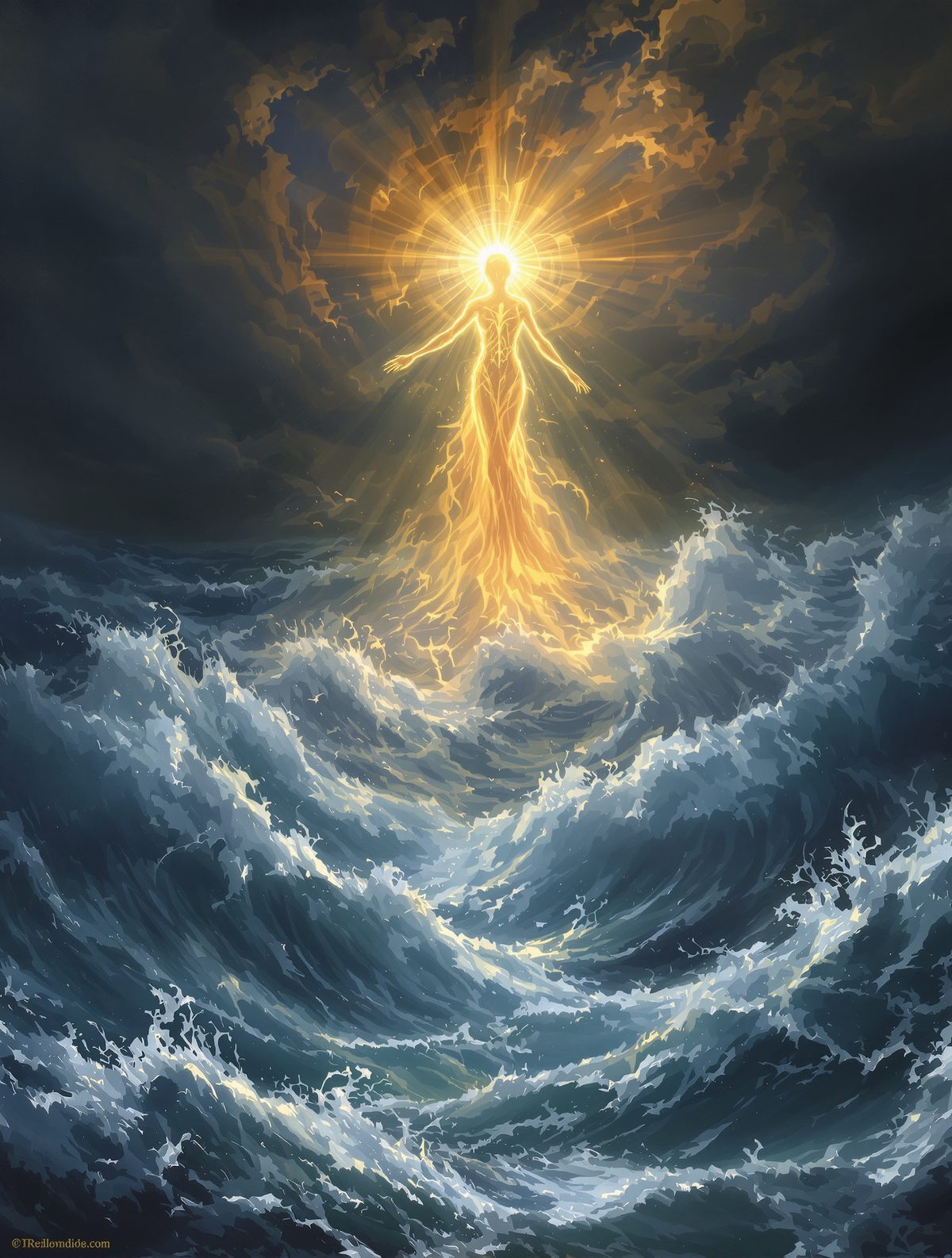
What is often left unsaid is that the gods did not create the world from nothing. Instead, they shaped it from the remains of Ymir's giant corpse. To picture it, imagine three divine craftsmen gathered in somber resolve, each breath a deliberate act of creation. From Ymir's flesh, the earth was born; from his bones, mountains came to stand. His teeth and fragments of shattered bone formed cliffs; his blood, horrid in its volume, flowed until it became the oceans and seas we sail today.
From Ymir’s Skull to Heaven's Dome
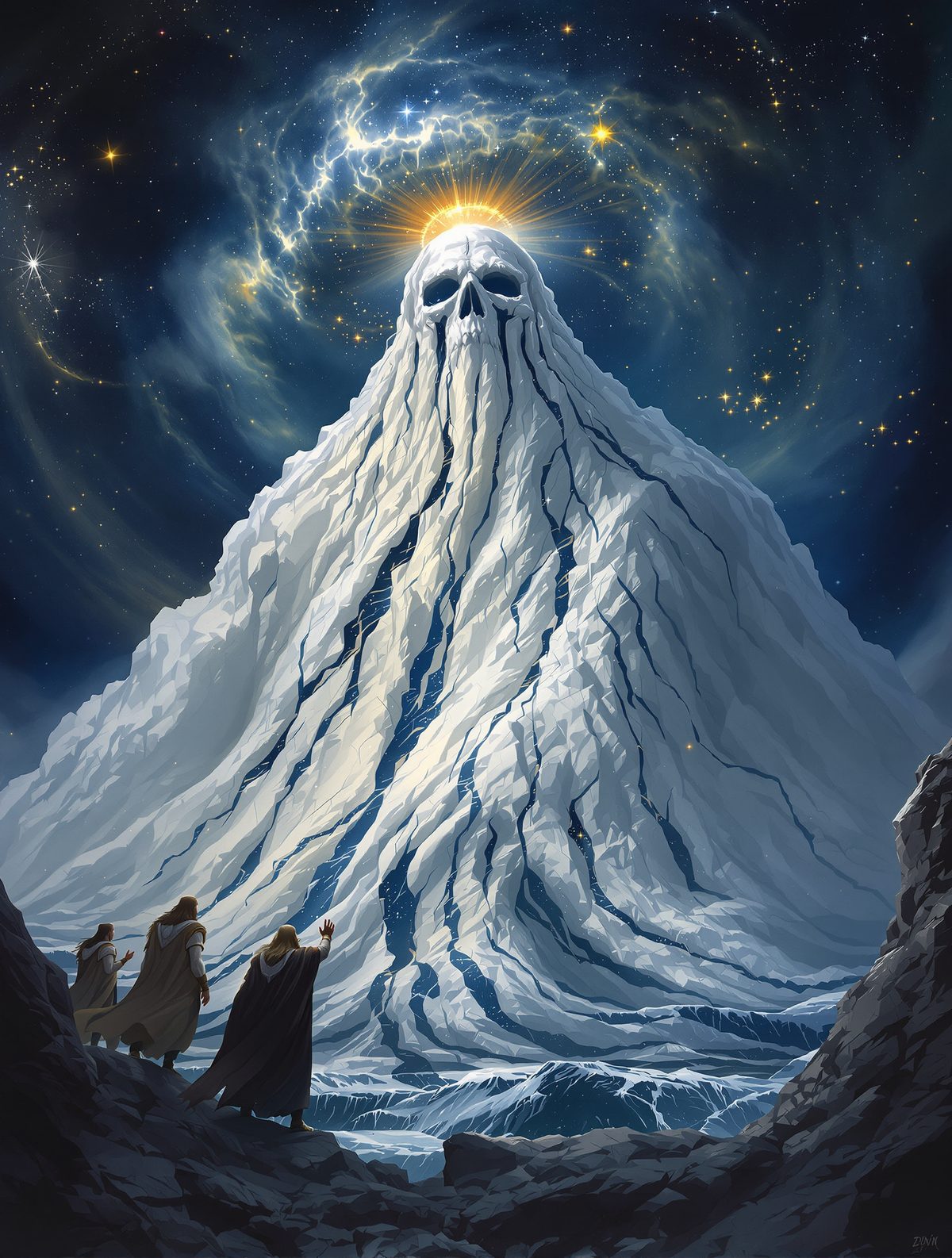
The notion of his skull creating the earthly heavens is as poetic as it is grand. Ymir's skull, the very frame of his thoughts and dreams, was elevated by these gods to form the celestial dome. Placing it over Midgard, the realm of humans, it became the sky — a reminder that heaven once sprung from the means of violent creation. The stars themselves, often lost in tales, were formed from fiery embers hurled from Muspelheim, affixed to the inner lid of this skull-formed firmament.
The Breathing Ash and Embla
But the earth, brought forth from sacrifice, was as yet quiet and lifeless. The gods, gazing upon the work of their hands, knew that something essential was missing. From the trees on the earth, they fashioned the first humans, Ash and Embla, who would walk the pathways of Midgard. Odin breathed life, Vili bestowed wit, and Ve gave the sight and hearing that allowed them to wonder and create, echoing the divine origins of their existence—a poetic act of re-creation, born of demise yet full of potential.
The Legacy of Blood and Bone
In the distant tales of Asgard and Midgard, of gods and men, the story of Ymir serves as a somber reminder of life's chaotic, overwhelming possibilities. This mythic origin is not merely a tale of creation but a timeless reflection on the endurance of life. Out of destruction arose new worlds, and from chaos sprang order — a resounding allegory relevant even now. With every mountain explored, every ocean navigated, we tread on once-giant terrain, held by a sky made of what was a living being's crown. And so, as you wander the great landscapes of our world, consider the ancient whisper that reverberates beneath your feet, reminding us of transformation's perpetual thread through time.
Though Norse legends remained largely untouched by the academic quill, they strike chords of unimaginable consequence, myths that capture the shared understanding of existential fabric — where past, present, and future intersect. Today, as we confront our creations and their lifelines, let us remember the frost giant who bleeds in every drop of our seas, whose bones outline our destinations, and whose story remains embedded in every grain of sand under the myriad stars.