
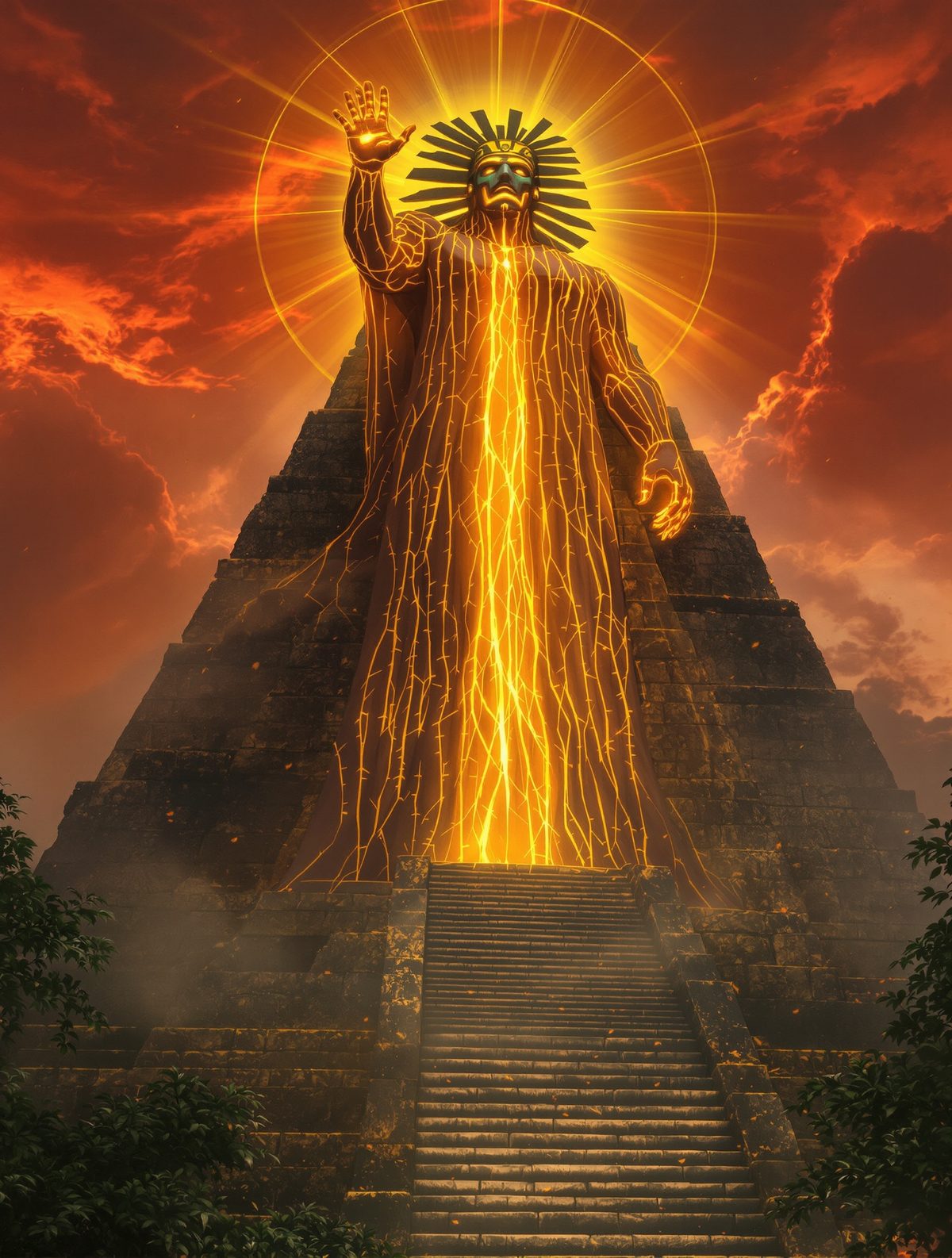
In the vibrant city of Tenochtitlan, nestled amidst the ever-thriving heart of Mesoamerican civilization, an unusual ritual unfolded every spring. As the mountains and valleys around the city slowly shrugged off the cloak of winter, a different type of renewal was set in motion. The air was thick with anticipation, as an offering to one of the most enigmatic gods of the Aztec pantheon commenced. Xipe Totec, the god who demanded renewal through the shadow of demise, was to be appeased. But this was not a ceremony for the faint-hearted; it was a rite in which life emerged from the unfathomable depths of decay.
The Golden Hue of Renewal
Traditionally worshipped with fervor, Xipe Totec signified more than just life sprouting anew. He was the embodiment of agricultural fecundity, the god who ensured that crops burst forth from the soil with robust vitality. The literal translation of his name means "Our Lord the Flayed One," mirroring the chilling ritual that honored him. When the Spaniards first chronicled the practices of the Aztecs during the 16th century, the brutish, yet transformative, essence of Xipe Totec captured their European sensibilities, leaving them both appalled and intrigued. Central to this god’s tribute was the flaying of a sacrificial victim. A bold reminder of life's cyclical nature, his golden hue symbolized life in the throes of transformation.
The Feast of the Flayed: Tlacaxipehualiztli
Every February or March, the Aztecs held a sacred festival known as Tlacaxipehualiztli, or "The Flaying of Men" in the Nahuatl language. The rituals took place as the maize fields awaited the first embrace of the spring rains, requiring sacrifice to ensure bountiful harvests. During this time, a tribute-bearing captive, chosen for this eminent duty, was flayed — his skin peeled in a painful testament to devotion and rebirth.
The priests, dedicated to Xipe Totec, donned the sacrificial skin, enveloping themselves in a decaying vestment that was worn over the course of 20 days. This unsettling act of wearing another’s skin embodied the shedding of the past, fertility born from corporeal rot. The rotting flesh, as grotesque as it may seem, symbolized the eventual shedding of the old to give way to the new, much like the sprouting of seedlings from the earth.
The Mortal Theatre of Tenochtitlan
The ritual was not just a simple act of devotion; it was a theatrical event with layers of nuance that engaged all senses. Consider the city of Tenochtitlan on the morning of the ceremony — the bustling crowd gathered in the sacred precinct, their gazes fixed on the Templo Mayor where these rituals were centered. Smudges from copal incense floated upward, infusing the air with a heady aroma — its curling tendrils intermingling with the anticipatory murmur of the throng.
The priests, distinguishable from others by their bloodied robes and freshly adorned skin coats, took on roles of divine embodiment. For twenty days, these priests became living representations of Xipe Totec himself, navigating their daily routines while draped in a shroud that was slowly disintegrating as life unchecked by morality marched forth.
Beyond the Surface: The Power of Symbolism
To truly comprehend the ritualistic depth behind Xipe Totec's worship is to understand the Aztecs' view of life and death — one that is intimately intertwined and cyclical in nature. Where modern sensibilities might see grotesquerie, the Aztecs perceived an astonishing blend of life, death, sacrifice, and renewal. For them, the shedding of skin was not just an act of divinity or tradition; it was a metaphorical illustration of the natural order, the perpetual potash of existential transformation.
Yet, the ritual went further than symbolism; it acted as a societal cleanser of sorts, an opportunity to publicly display bravery and the magnanimity of the gods. The sight of these divine representations walking among the common people served to reinforce the cosmic order and the role of mankind within it.
The Legacy of Xipe Totec: Lessons for Today
As we cast our eyes back from the vantage point of a modern age, the rites of Xipe Totec offer a timeless lesson about the transcendence of transformation and renewal. Though the physical aspects of the ritual may seem distant and alien to us today, its overarching narrative remains poignant, especially in our understanding of growth and change.
Contemporary society continually navigates changes—both societal and personal—which require figurative shedding of past skins to embrace new lives. Xipe Totec's legacy encourages the embrace of metamorphosis, of seeing beyond the immediate discomfort of change to the fertile ground that lies beyond.
In the end, the story of Xipe Totec isn't one left for mere legend in dusty chronicles. It is an echo reverberating through time, inviting us all to don the garments of transformation as we chart our paths through life’s endless cycle of renewal.