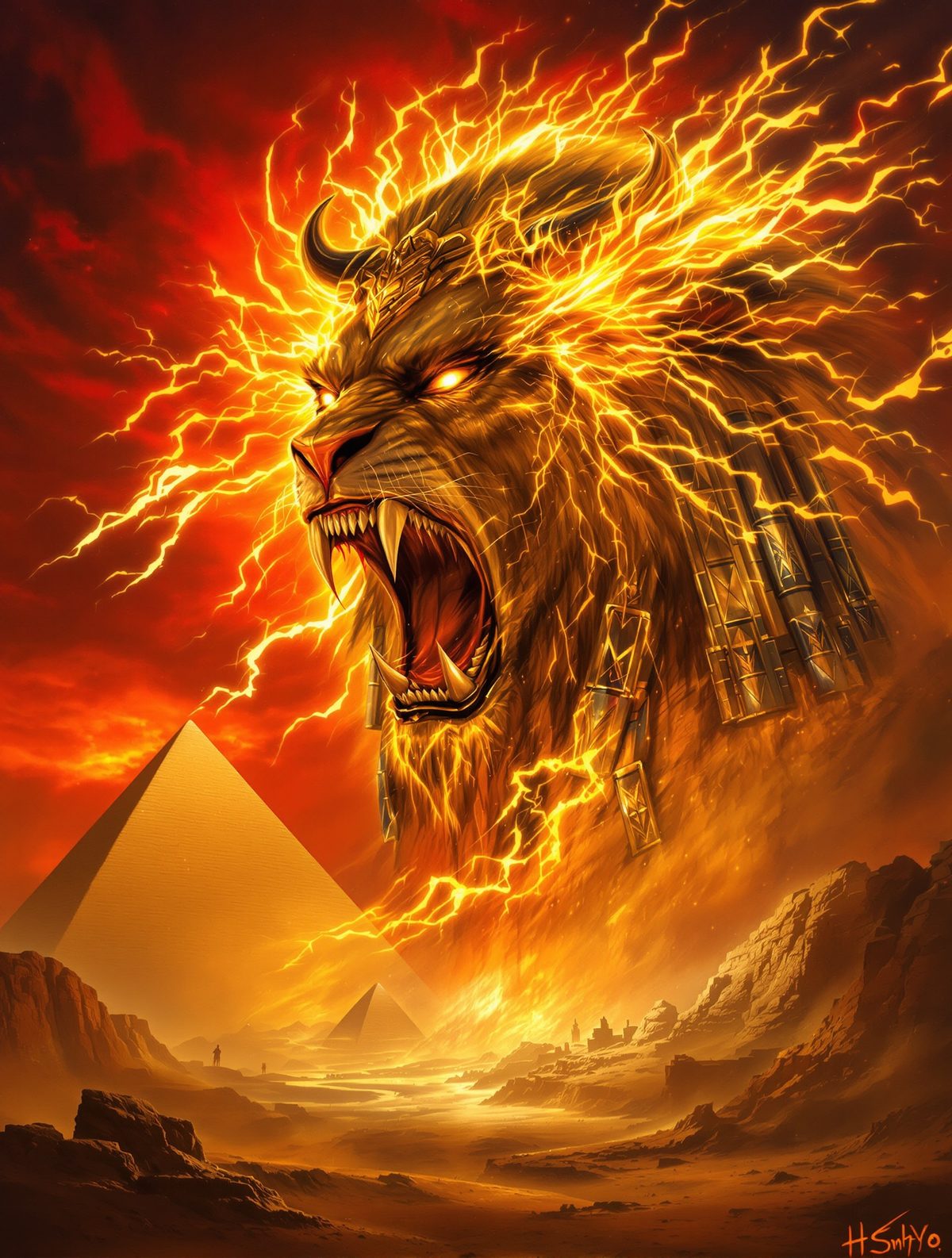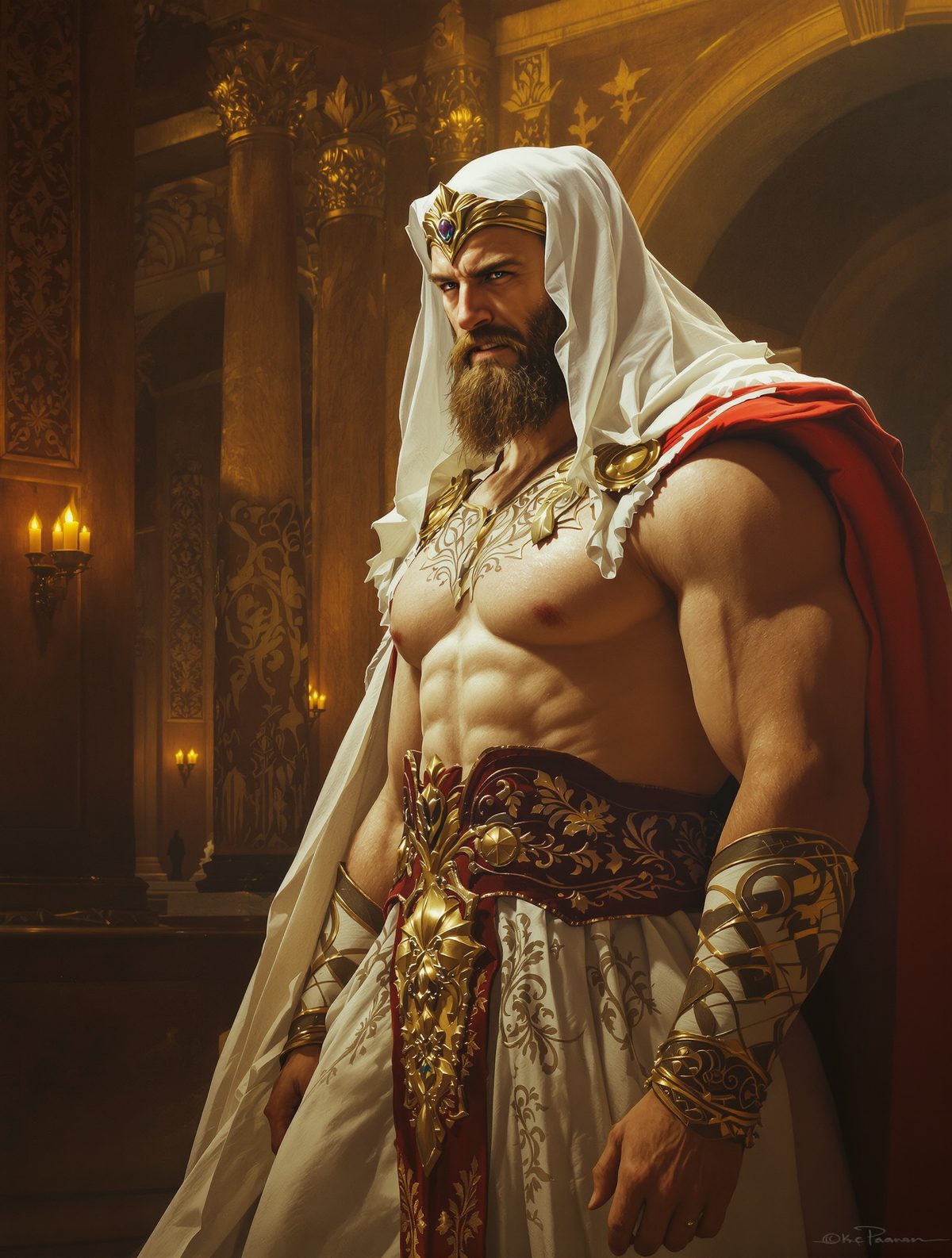
Picture this: the mightiest warrior in all of Norse mythology, a god whose very name makes frost giants tremble, carefully applying rouge to his bearded cheeks and adjusting a bridal veil over his massive frame. This isn't the fever dream of a medieval comedy writer—it's one of the most beloved tales from the Prose Edda, where Thor's desperation to retrieve his stolen hammer leads him into the most humiliating disguise of his immortal life.
What unfolds is a story so outrageous that it reads like ancient satire, yet it reveals profound truths about Norse culture, gender roles, and the lengths to which even gods will go when their backs are against the wall. This is the tale of Þrymskviða—Thor's cross-dressing caper that saved the nine realms.
When Thunder Goes Silent: The Crisis That Shook Asgard
The morning began like any other in Asgard, until Thor reached for Mjolnir and found nothing but empty air. The hammer that could level mountains, the weapon that kept the forces of chaos at bay, had vanished without a trace. For the first time in eons, the thunder god was defenseless—and with him, all of Asgard.
The theft was discovered by Thrym, king of the frost giants in Jotunheim, who had somehow managed the impossible: stealing the most heavily guarded weapon in the nine realms. The Prose Edda, compiled by Snorri Sturluson in 13th-century Iceland, tells us that Thrym had buried Mjolnir eight leagues beneath the earth—roughly 24 miles down, far beyond the reach of any conventional rescue attempt.
But Thrym wasn't interested in ransom gold or territorial concessions. His demand was as audacious as his theft: he wanted Freyja, the goddess of love and fertility, as his bride. The most beautiful of the Æsir, delivered to his hall within three days, or Mjolnir would remain buried forever.
What makes this demand particularly shocking is that Freyja wasn't just any goddess—she was the seiðr practitioner, master of the mystical arts that even Odin himself sought to learn. Trading her to the giants would be like handing over the nuclear codes to your enemies.
The Trickster's Gambit: Loki's Outrageous Solution
As panic spread through Asgard's golden halls, it was Loki—the silver-tongued shapeshifter—who proposed what seemed like the most ridiculous solution in mythological history. If Thrym wanted a bride, he would get one. But instead of sacrificing Freyja, they would send Thor himself, dressed in wedding finery.
The audacity of this plan cannot be overstated. Thor, whose very essence embodied masculine strength and warrior prowess, would have to convincingly portray the feminine ideal that giants fantasized about. This wasn't just about putting on a dress—it was about completely subverting the gender roles that defined Norse society.
Archaeological evidence from sites like Birka in Sweden shows us that Norse women's formal attire was elaborate: layered linen undergowns, woolen overdresses secured with ornate brooches, intricate jewelry, and ceremonial head coverings. The transformation would need to be complete and convincing.
Loki, ever the master of disguise, would accompany Thor as his "handmaiden"—a role that would allow the trickster god to provide damage control when Thor's masculine nature inevitably broke through the feminine facade.
The Makeover of a Thunder God: Divine Drag in Ancient Scandinavia
The scene that follows is pure comedy gold, preserved for us across nearly eight centuries. The Poetic Edda describes in delicious detail how the gods of Asgard—beings who commanded thunder, war, and wisdom—suddenly found themselves working as divine stylists.
Thor was draped in Freyja's finest dress, a flowing garment that had to be let out considerably to fit his massive frame. The famous Brísingamen necklace—Freyja's magical treasure that enhanced beauty and desire—was clasped around his thick neck. Keys were hung from his belt, a symbol of a Norse woman's domestic authority and status as mistress of the household.
But the pièce de résistance was the bridal veil, carefully arranged to obscure Thor's decidedly unfeminine facial features while still allowing him to see well enough to fight when the moment came. Beneath this feminine exterior, however, Thor still carried his other weapons—his iron gloves and belt of strength remained hidden but ready.
What's fascinating is that this cross-dressing episode would have been deeply significant to Norse audiences. In a culture where ergi (unmanliness) was one of the worst accusations that could be leveled against a man, seeing their mightiest god willingly adopt feminine dress represented the ultimate sacrifice for the greater good.
Wedding Crashers: The Most Dangerous Reception in Mythology
The journey to Thrym's hall in Jotunheim was accomplished in Thor's goat-drawn chariot, the mountains trembling and fires breaking out in their wake—a rather dramatic bridal procession that somehow didn't alert the giants to the deception.
Upon arrival, Thrym threw what he believed would be the wedding feast of the millennium. The hall was packed with giants, trolls, and other creatures of the frost, all eager to witness their king's triumph over the gods. Tables groaned under the weight of roasted oxen, salmon, and mead—the kind of feast that might feed an army.
But then came the moment that nearly blew their cover: dinner time. Thor, still disguised as the delicate Freyja, proceeded to devour an entire ox, eight salmon, and three barrels of mead. The Þrymskviða tells us that even the giants—beings known for their prodigious appetites—were stunned by this display of consumption.
Quick-thinking Loki saved the situation with the kind of smooth improvisation that made him legendary: "My lady has been so excited about this wedding that she hasn't eaten in eight days!" The lovesick Thrym accepted this explanation, too besotted to think clearly.
The Moment of Truth: When Veils Come Off
The crisis reached its peak when Thrym, overcome with desire, attempted to lift his bride's veil for a kiss. What he saw beneath nearly sent him fleeing: eyes that burned like coals, glowing with divine fire and barely contained rage. Once again, Loki's quick wit saved them: "She hasn't slept for eight nights, so excited was she for this union!"
But the charade couldn't last forever. When Thrym called for Mjolnir to be brought forth to consecrate the marriage—a detail that shows the Norse practice of using Thor's hammer to bless weddings—the trap was finally sprung.
The moment Thor's fingers closed around Mjolnir's handle, the greatest revelation scene in mythology unfolded. The wedding dress was torn away, the veil discarded, and the thunder god stood revealed in all his terrible glory. What followed was less a battle than a divine massacre—Thrym, his family, and the entire wedding party were obliterated in moments.
Why This Ancient Comedy Still Matters: Lessons from a Cross-Dressing God
At first glance, the Þrymskviða reads like pure entertainment—a ribald tale designed to get laughs around the fire on long winter nights. But scratch beneath the surface, and this story reveals profound truths about Norse society and human nature that remain relevant today.
The willingness of Thor—the ultimate masculine ideal—to temporarily adopt feminine appearance challenges rigid gender expectations. In a culture that valued honor above life itself, Thor chose temporary shame over permanent defeat. This suggests that the Norse understood that true strength sometimes requires setting aside ego and social expectations.
Moreover, the story demonstrates that even gods must sometimes resort to deception and role-playing to overcome seemingly impossible challenges. Thor couldn't simply smash his way through this problem—he had to think, plan, and yes, even cross-dress to achieve victory.
Perhaps most importantly, this tale reminds us that the greatest heroes are those willing to look foolish in service of protecting what matters most. In an age where image often trumps substance, Thor's willingness to sacrifice his dignity for the greater good feels remarkably modern.
The next time you face a challenge that seems to require you to step outside your comfort zone or defy expectations, remember the thunder god in a wedding dress—and how sometimes the most unconventional solutions lead to the most decisive victories.