Picture this: A Roman general walks through the gates of his beloved city after years of absence, but he's not returning in triumph. No cheering crowds line the streets. No laurel wreaths await. Instead, Marcus Atilius Regulus arrives as a prisoner on parole, sent by Rome's greatest enemies to negotiate his own freedom. What happens next defies every instinct for survival and rewrites the very definition of honor.
The year is 255 BC, and Rome stands at the crossroads of history. The First Punic War has been raging for nearly two decades, bleeding both Rome and Carthage white. But the story of what one man did in the marble halls of the Roman Senate would echo through the ages, inspiring everyone from medieval knights to American founding fathers. It's a tale so extraordinary that many historians have questioned whether it really happened—and yet, the details are too specific, too documented, and too Roman to be mere legend.
The Consul Who Conquered Africa
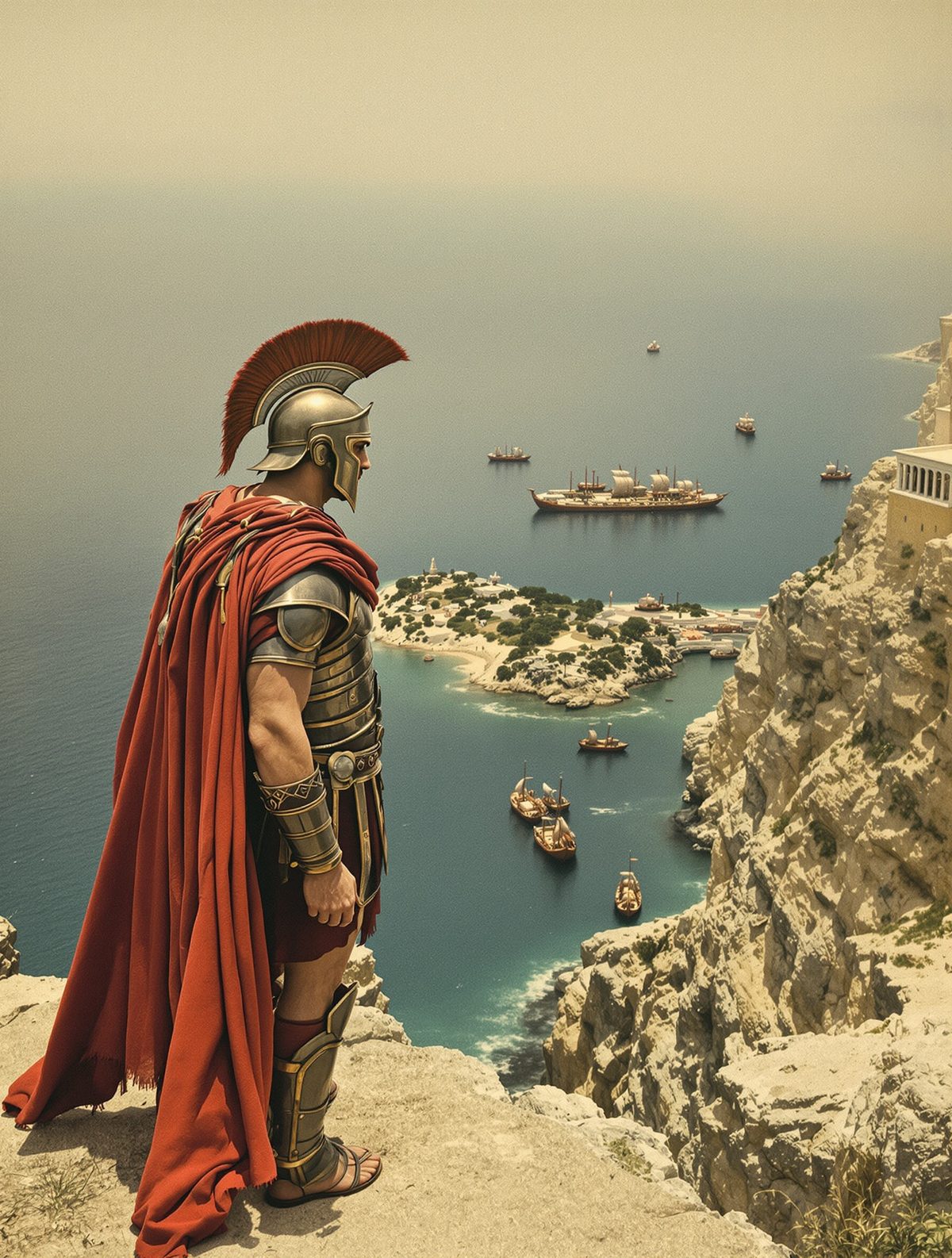
Marcus Atilius Regulus wasn't just any general—he was a consul, one of the two most powerful men in the Roman Republic. In 256 BC, he had achieved what no Roman before him had dared: he landed an invasion force on African soil, bringing the war directly to Carthage's doorstep. Leading 15,000 infantry, 500 cavalry, and a fleet of 350 ships, Regulus struck terror into the heart of the Carthaginian empire.
His initial victories were stunning. Roman legions, disciplined and brutal, carved through Carthaginian defenses like a sword through silk. Regulus captured the strategic city of Aspis (modern-day Kelibia in Tunisia) and defeated a Carthaginian army so decisively that panic spread through North Africa. For a brief, shining moment, it seemed like the war might end with Carthage on its knees.
But Regulus made a fatal miscalculation. When Carthage sued for peace, he demanded terms so harsh that the Carthaginians decided they'd rather fight to the death than accept them. The Romans wanted not just tribute and territory, but the complete dismantling of Carthage as a naval power. It was a demand that would have reduced the proud merchant empire to a Roman puppet state.
When the Hunter Becomes the Hunted
Desperate times called for desperate measures. The Carthaginians did something unprecedented: they hired a Spartan general named Xanthippus to reorganize their army. This wasn't just any mercenary—Spartans were the ultimate military professionals, and Xanthippus brought with him the tactical genius that had made Sparta legendary.
The transformation was immediate and terrifying. Xanthippus studied Roman fighting methods and devised a perfect counter-strategy. He positioned the Carthaginian elephants—massive African war beasts that Romans had never faced in such numbers—directly against the Roman center. Meanwhile, his superior cavalry would attack the flanks, and his phalanx of Greek mercenaries would hold the line.
The Battle of Tunis in 255 BC was a catastrophe for Rome. The Roman legions, so effective in the hills of Italy, found themselves helpless on the flat plains of Africa. Carthaginian elephants trampled through their ranks while enemy cavalry surrounded them completely. When the dust settled, only 2,000 Romans out of 15,000 survived. Five hundred were taken prisoner, including their commander.
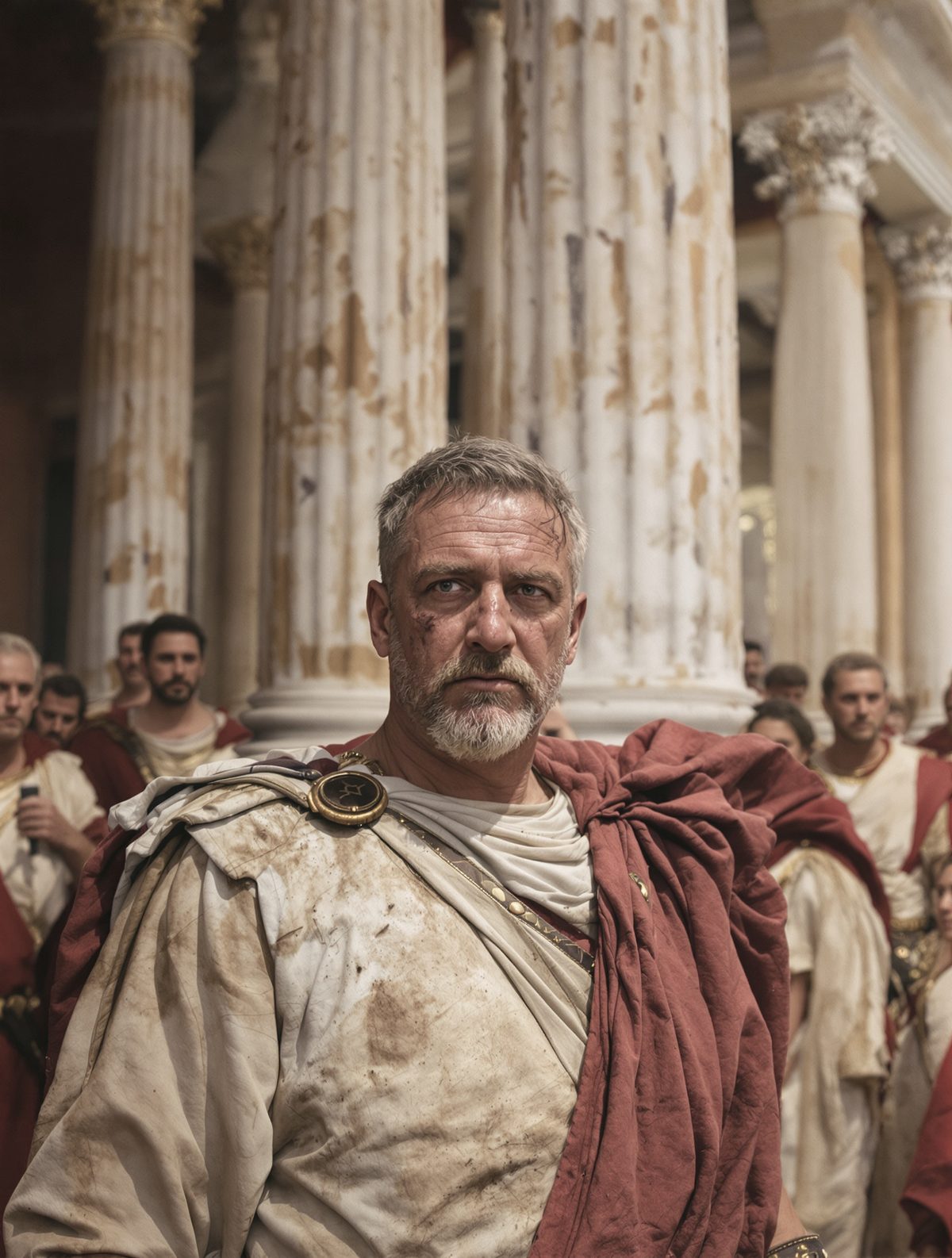
Marcus Atilius Regulus, the conqueror of Africa, was now a Carthaginian captive.
The Impossible Mission
For five long years, Regulus languished in Carthaginian captivity. We can only imagine what those years were like—the former consul reduced to a prisoner, watching helplessly as the war he had hoped to end raged on. The Romans and Carthaginians continued their bloody stalemate, with neither side able to deliver a knockout blow.
Then, in 250 BC, the Carthaginians made an extraordinary decision. They would send Regulus himself back to Rome—not as a freed man, but as their negotiator. The proposal was elegant in its simplicity: Rome would exchange prisoners and agree to a peace treaty. In return, Regulus and hundreds of other Roman captives would go free.
But there was a catch that reveals the sophistication of Carthaginian psychology. Regulus had to swear a solemn oath that if the negotiations failed, he would return to Carthage voluntarily. To a Roman, such an oath was sacred—more binding than any chain. The Carthaginians were betting that Regulus would be so desperate for freedom, so persuasive in arguing for his own release, that the Roman Senate would accept their terms.
They couldn't have been more wrong.
The Speech That Sealed His Doom
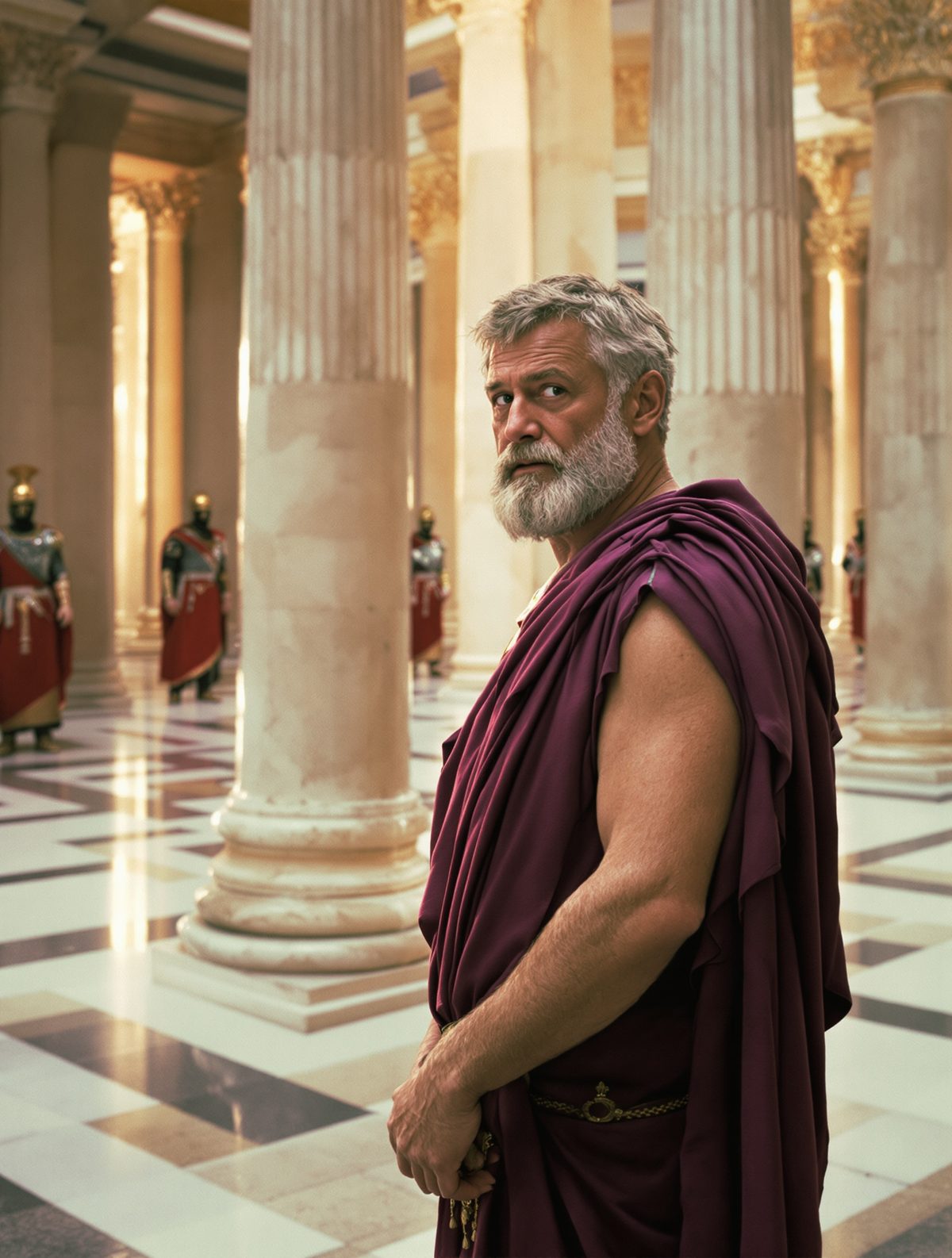
When Regulus arrived in Rome, the scene was unlike anything in the city's history. Here was a former consul, a hero of the Republic, standing before the Senate as an enemy ambassador. The senators expected him to plead for his life, to argue passionately for the prisoner exchange that would save him and hundreds of other Romans.
Instead, Regulus delivered one of the most shocking speeches in Roman history.
According to the historian Polybius, who wrote within living memory of these events, Regulus told the Senate that the Carthaginian peace terms were a trap. The prisoners they offered to return were mostly broken men, he argued, while the Carthaginians they held were Rome's finest soldiers. More importantly, accepting peace now would only give Carthage time to rebuild and strike again when Rome was unprepared.
"Do not be moved by pity for me or for the other prisoners," he reportedly declared. "We are no longer Romans. When we allowed ourselves to be captured, we forfeited our citizenship. I am now merely a Carthaginian messenger, and my message is this: reject their offer and continue the war."
The silence in the Senate must have been deafening. Here was a man arguing against his own freedom, against his own life, for the sake of Roman victory. The senators tried to change his mind, but Regulus was immovable. He had seen Carthaginian strength firsthand and knew that this peace would be temporary at best.
The Walk to Eternity
The Senate voted to reject the Carthaginian offer. Regulus had succeeded in his mission—not the one his captors had given him, but the one his conscience demanded. Now came the moment that would define his legacy forever.
Roman law would have allowed him to stay. He could have argued that his oath was invalid since it was made under duress. His friends and family begged him to remain in Rome. But Regulus understood something profound about honor: it only means something when it costs you everything.
As he prepared to leave Rome forever, Regulus reportedly told his weeping family that he was no longer truly Roman—his capture had stripped him of that identity. But by keeping his word, by walking voluntarily into torture and death, he would reclaim something far more valuable than citizenship. He would achieve immortality.
The journey back to Carthage was a funeral march. Everyone knew what awaited him there. The Carthaginians, enraged by his betrayal, subjected him to tortures that became legendary in their cruelty. According to later Roman sources, they cut off his eyelids and left him in the blazing African sun, then rolled him down a hill in a barrel studded with spikes. Whether these specific details are accurate matters less than their symbolic power—Regulus had chosen the most agonizing death imaginable rather than break his word.
The Legacy That Conquered Death
Marcus Atilius Regulus died in 250 BC, but his story lived forever. For Romans, he became the ultimate symbol of virtus—the courage to do what's right regardless of the cost. Cicero invoked his name in speeches, Horace immortalized him in poetry, and Roman mothers told their children his story for centuries.
But Regulus's influence extended far beyond Rome. Medieval knights saw him as the perfect example of chivalric honor. Renaissance humanists studied his story as a masterclass in moral philosophy. American founding fathers like George Washington knew his tale by heart, and it influenced their own understanding of duty and sacrifice.
In our modern world of flexible loyalties and negotiable principles, Regulus's story seems almost alien. We live in an age that values pragmatism over principle, survival over sacrifice. Yet perhaps that's exactly why his story matters more than ever. In a time when keeping one's word seems quaint and honor appears outdated, Marcus Atilius Regulus reminds us that some things are worth dying for—and that sometimes, the greatest victory comes through accepting defeat.
The man who sold himself into slavery to save his army teaches us that true freedom isn't about escaping consequences, but about choosing them. In the end, Regulus achieved something his Carthaginian captors never could have imagined: he turned his greatest defeat into his most enduring triumph, proving that death itself cannot conquer a story worth telling.