In the dusty hills of western Turkey, archaeologists carefully brushed away centuries of dirt from a gleaming gold coin. As the ancient artifact emerged, they expected to see the familiar stern face of a Persian king—the standard imperial portrait that graced all currency throughout the vast Achaemenid Empire. Instead, they found themselves staring at something that should never have existed: the face of a mere provincial governor, a man who had committed what amounted to ancient treason with every coin he struck.
The year was 401 BC, and Tissaphernes, satrap of western Anatolia, had done the unthinkable. In an empire where the king's divine image was sacred law, he had dared to mint his own face on gold—a crime punishable by the most excruciating death the Persian Empire could devise.
The Satrap Who Dared to Dream of Kings
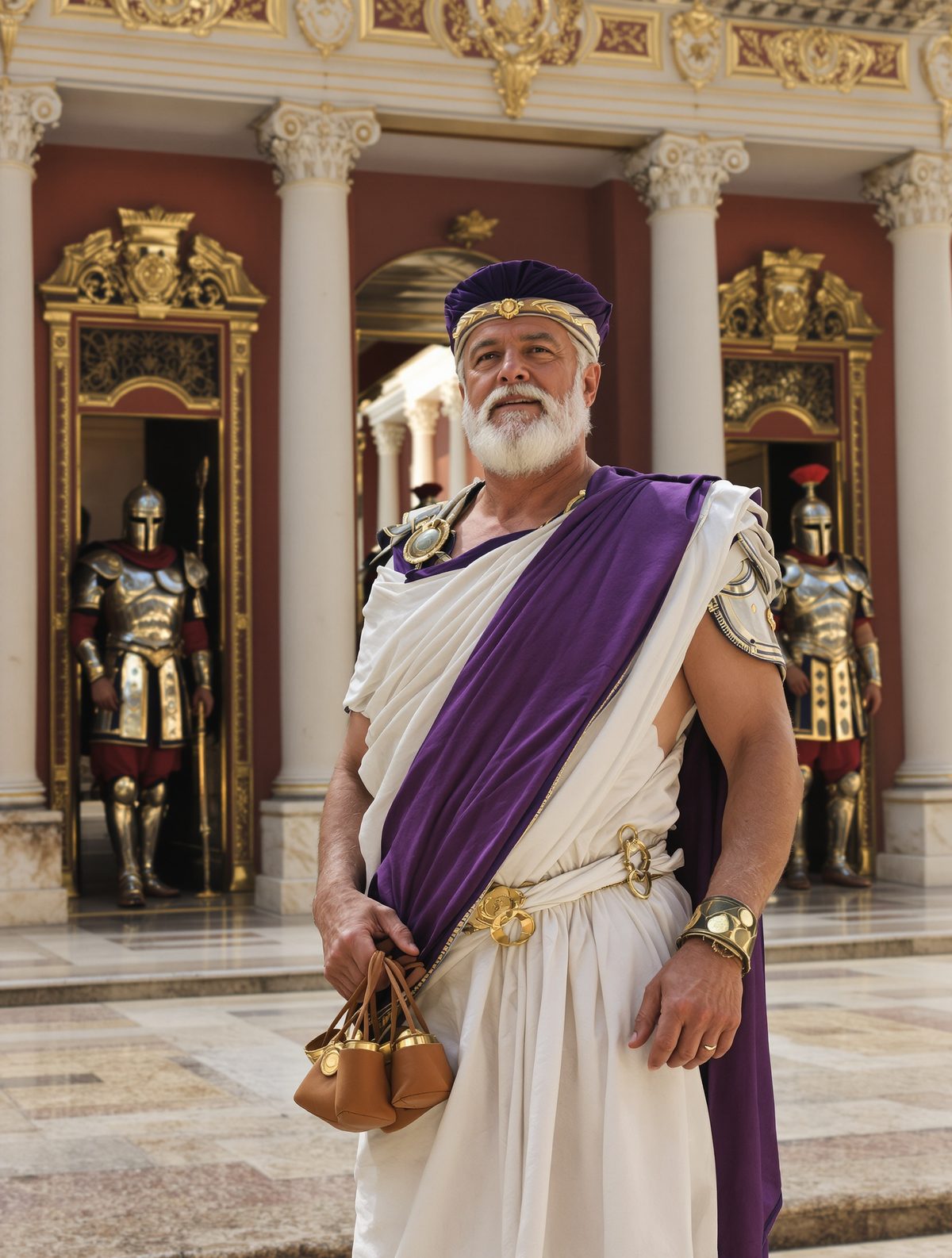
Tissaphernes was no ordinary provincial administrator. As satrap of Lydia and Caria, he controlled territories that stretched across what is now western Turkey, commanding vast armies and overseeing trade routes that funneled incredible wealth into Persian coffers. His domain included some of the richest cities in the ancient world: Sardis, with its legendary gold deposits, and the bustling ports of Ionia where East met West in a symphony of commerce.
But Tissaphernes possessed something far more dangerous than wealth or military might—he had ambition that burned like wildfire and a cunning mind that could navigate the deadly waters of Persian court politics. When the empire fractured into civil war between King Artaxerxes II and his younger brother Cyrus the Younger, Tissaphernes found himself holding the balance of power in his weathered hands.
The Persian Empire's system of satrapies was designed to prevent exactly this kind of dangerous autonomy. Each provincial governor answered directly to the King of Kings, and elaborate networks of spies—the legendary "eyes and ears of the king"—watched every move. Yet somehow, in the chaos of civil war and the vast distances that separated Sardis from the imperial capital at Persepolis, Tissaphernes saw his chance to do something unprecedented.
Gold, Gods, and the Ultimate Act of Rebellion
To understand the magnitude of Tissaphernes' transgression, you must first grasp the sacred nature of Persian royal imagery. The king wasn't merely a political leader—he was the earthly representative of Ahura Mazda, the supreme deity of Zoroastrianism. His face on coins wasn't just currency; it was a religious icon that proclaimed divine authority to every corner of the empire.
The punishment for usurping this sacred privilege was death, but not a quick or merciful one. Persian law prescribed that traitors be slowly flayed alive, or in some cases, buried up to their necks and left for scavengers. The empire had built its reputation on such terrifying examples, and no satrap—no matter how powerful—had ever been foolish enough to challenge this ultimate taboo.
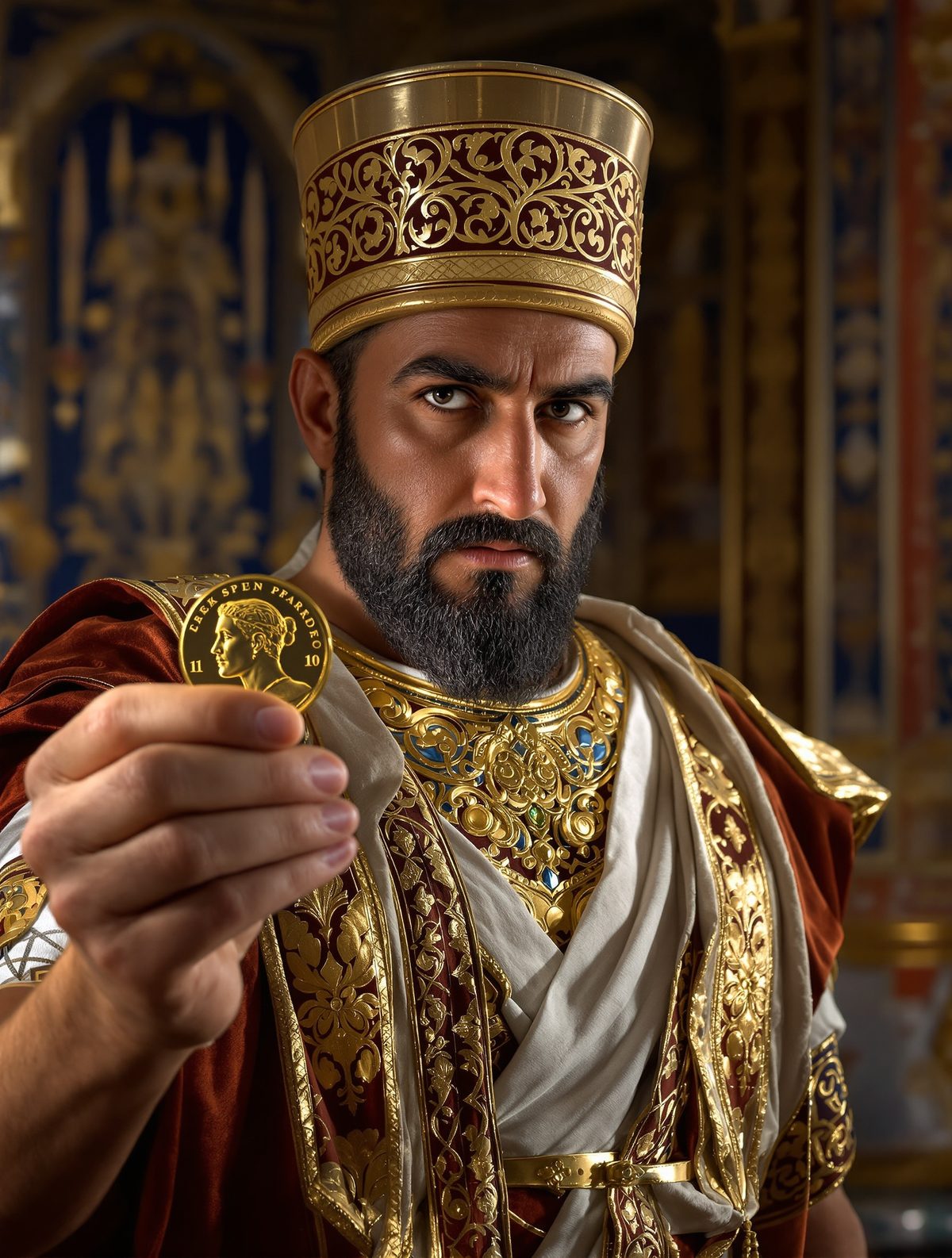
Yet in secret mint workshops, probably hidden within the walls of Sardis itself, Tissaphernes ordered skilled artisans to create dies bearing his own likeness. The coins they produced were masterpieces of numismatic art—gleaming gold staters that weighed about 8.4 grams each, worth roughly four months' wages for a common soldier. But their true value lay not in gold content, but in their revolutionary message: here was a man who believed himself equal to kings.
Each coin featured Tissaphernes in profile, wearing the distinctive Persian cap of nobility. The reverse typically showed a galloping horse or warrior, symbols of military might that reinforced his claim to power. These weren't crude counterfeits hastily struck in some basement workshop—they were professionally minted currency of the highest quality, suggesting an operation that required significant resources and skilled personnel.
The Mercenary Prince and a War That Changed Everything
The opportunity for such audacious rebellion came with the arrival of Cyrus the Younger's mercenary army in 401 BC. Cyrus had recruited approximately 10,000 Greek soldiers—the famous "Ten Thousand" immortalized in Xenophon's Anabasis—to help him seize the throne from his brother Artaxerxes II. Initially, Cyrus told his Greek mercenaries they were marching against rebellious tribes in Anatolia. In reality, he was planning to overthrow the Persian Empire itself.
Tissaphernes found himself in an impossible position. Both brothers demanded his loyalty, and choosing wrong would mean not just his death, but the destruction of everything he had built. Archaeological evidence suggests this was precisely when he began minting his personal coinage—perhaps as insurance, perhaps as preparation for declaring independence from both royal claimants.
The decisive moment came at the Battle of Cunaxa, near Babylon, where Cyrus the Younger met his death in combat against his brother's forces. Tissaphernes had chosen correctly, remaining loyal to Artaxerxes II, but the victory came with an unexpected problem: those 10,000 Greek mercenaries were now stranded deep in enemy territory, and they knew too much about Persian military capabilities.
Playing Both Sides of a Golden Gamble
What happened next reveals the true genius—and ultimate recklessness—of Tissaphernes' character. Rather than simply attacking the trapped Greeks, he chose a more subtle approach. He invited their leaders to a peaceful negotiation, then treacherously seized and executed them. This left the mercenary army leaderless but not defeated, and they began their famous march north to the Black Sea—a journey that would inspire military strategists for centuries to come.
But here's where the story becomes truly fascinating: archaeological evidence suggests Tissaphernes may have used his personal coinage to fund multiple sides of this conflict. Some coins have been found along routes used by the retreating Greek mercenaries, suggesting he may have secretly supplied them with provisions—perhaps as insurance against future Persian retaliation, or maybe as part of some elaborate double-game that would have made Machiavelli proud.
The sheer audacity of simultaneously serving the Persian king while maintaining secret negotiations with his enemies—all funded by treasonous gold coins bearing his own face—reveals a man operating on a level of political complexity that defies easy categorization. Was Tissaphernes a loyal satrap caught between impossible choices, or a would-be king waiting for his moment to strike?
The Secret That Died With Its Keeper
The ultimate irony of Tissaphernes' story is that his golden gamble might have succeeded. King Artaxerxes II, grateful for his satrap's loyalty during the civil war, showered him with honors and expanded his territorial control. For several years, Tissaphernes ruled virtually as an independent monarch while maintaining the fiction of Persian loyalty.
But the secret of his coinage created a ticking time bomb. Every gold stater bearing his likeness was evidence of treason, and in an empire built on surveillance and suspicion, such secrets rarely stayed hidden forever. Whether through captured coins, testimonies from mint workers, or the reports of those ever-present royal spies, the truth had a way of surfacing.
The end came swiftly. In 395 BC, Tissaphernes was summoned to court by Artaxerxes II under the pretense of receiving new honors. Instead, he was arrested, tried for treason, and executed. The official charges focused on his military failures against Greek forces, but whispered rumors spoke of evidence far more damning—gold coins that proved his ultimate disloyalty to the crown.
Why Ancient Treason Still Matters Today
The story of Tissaphernes and his forbidden coins resonates across the centuries because it captures something fundamentally human about power and ambition. In our modern world of cryptocurrency and digital transactions, we rarely think about the political statements embedded in our money. Yet every bill and coin still carries the implicit authority of the state that issues it—and the radical act of creating alternative currency remains a form of rebellion.
More importantly, Tissaphernes' tale reminds us that even in history's most autocratic empires, individuals found ways to assert their independence and challenge absolute authority. His golden coins weren't just currency—they were declarations of personal sovereignty, struck in precious metal and distributed as evidence that no king's power is truly absolute.
Perhaps that's why his story was largely forgotten by official Persian histories, preserved only in archaeological fragments buried in Anatolian soil. Some acts of rebellion are so dangerous to authority that they must be erased from memory itself—but gold, unlike memory, doesn't easily fade away.