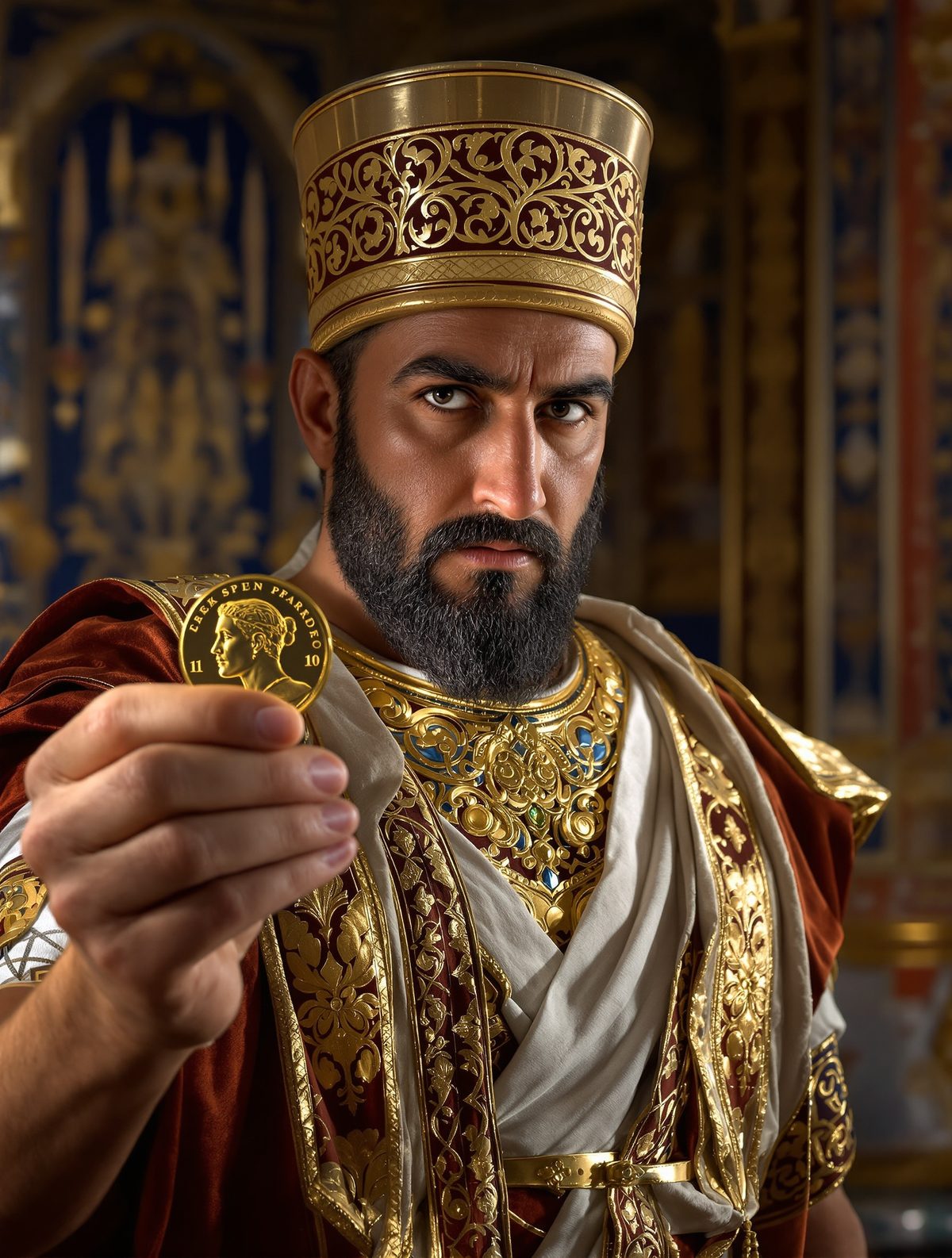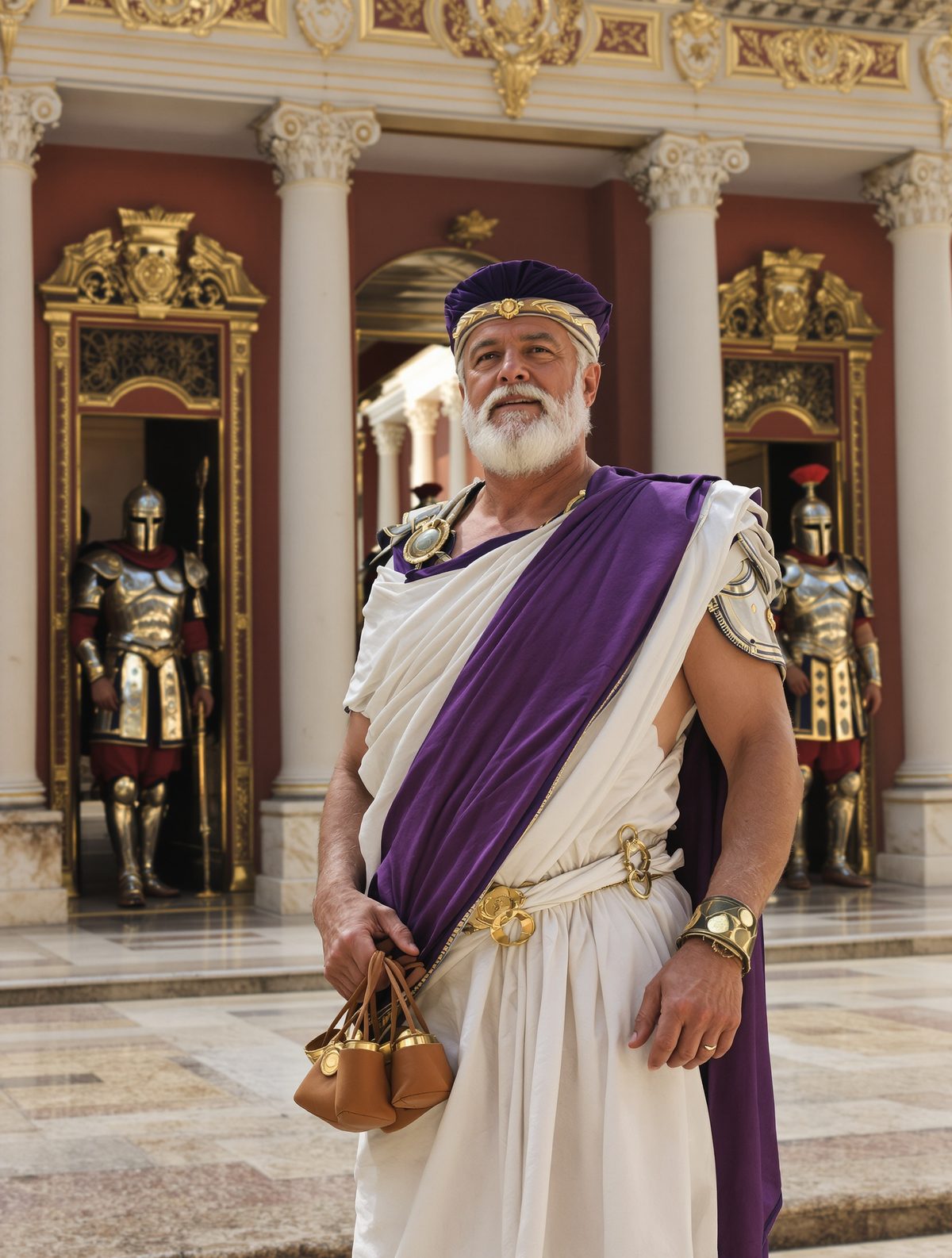
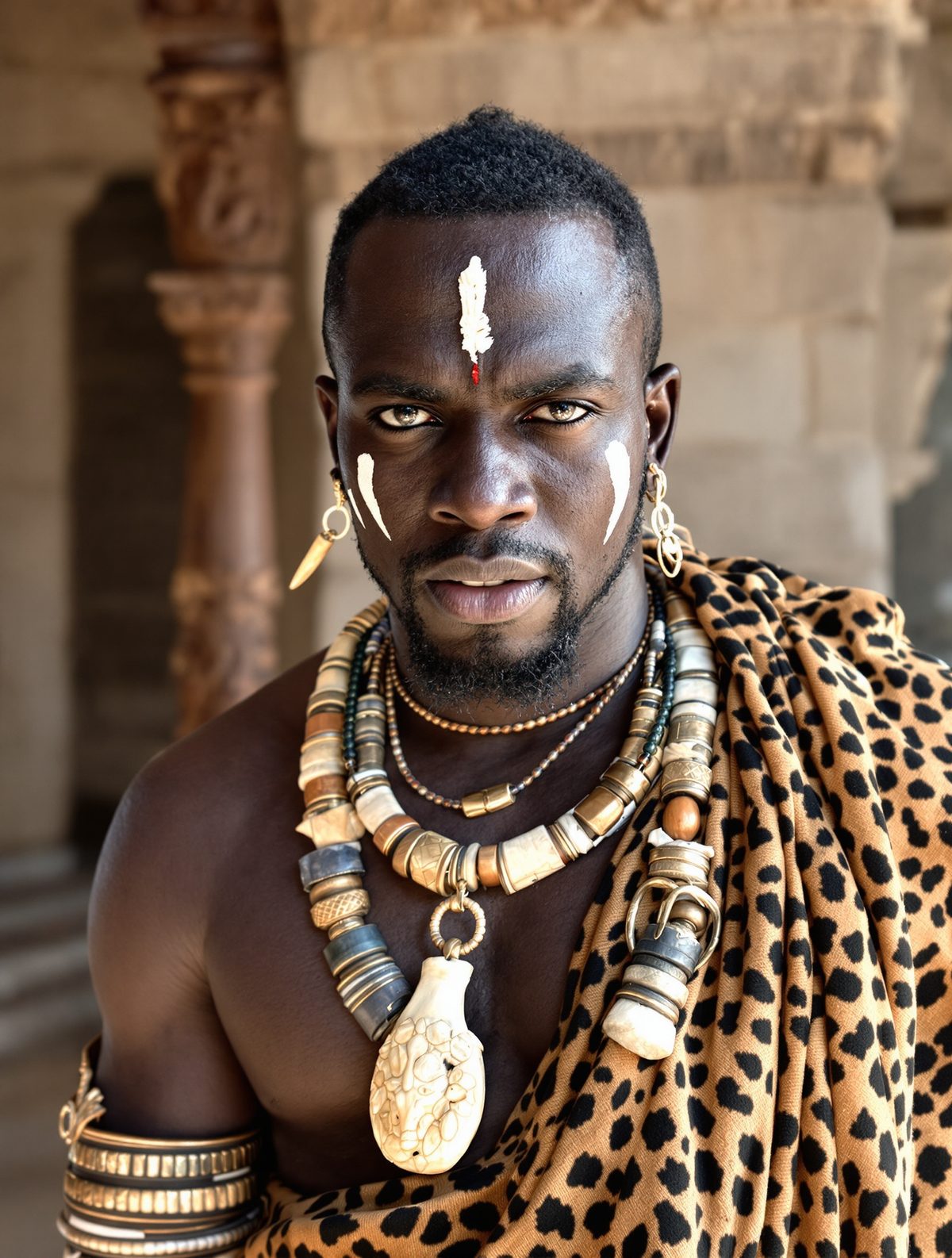
The smoke rose thick and black against the African sky as Prince Mpanzu a Kitima strained against the ropes binding him to the wooden stake. Around him, soldiers bearing the cross of Christ prepared the kindling that would consume the last defender of Kongo's ancient ways. It was 1509, and Africa's first Christian civil war was about to claim its most defiant victim—a prince who chose ancestral spirits over European salvation.
This wasn't supposed to be how Christianity came to Africa. When Portuguese explorer Diogo Cão first sailed up the Congo River in 1482, he carried more than just trade goods and weapons. He brought a faith that would split a kingdom, turn brother against brother, and ultimately burn a prince alive for refusing to abandon the gods of his fathers.
When Strangers Came Bearing Crosses
The Kingdom of Kongo in 1491 was no collection of mud huts waiting for European civilization. Stretching across modern-day Angola, the Republic of Congo, and the Democratic Republic of Congo, it boasted a sophisticated government, thriving cities, and trade networks that reached across the continent. At its heart sat Mbanza Kongo, a capital city that housed over 100,000 people—larger than London at the time.
Nzinga a Nkuwu ruled this vast domain with absolute authority, but even absolute monarchs could be curious about the strange pale men who arrived in great wooden vessels. The Portuguese hadn't come as conquerors—not yet. They came as traders and diplomats, offering European goods, military advisors, and something else entirely: eternal salvation through Jesus Christ.
The king found himself fascinated by Portuguese technology, their firearms, and their stories of a powerful god who had conquered death itself. When Portuguese missionaries spoke of baptism as a gateway to divine favor, Nzinga a Nkuwu saw opportunity. On May 3, 1491, he knelt before Father Rui d'Aguiar and accepted the Christian faith, taking the name João I after the Portuguese king.
But not everyone in the royal family shared the king's enthusiasm for this foreign religion. Prince Mpanzu a Kitima, the rightful heir to the throne, watched with growing alarm as Portuguese priests dismantled sacred shrines and declared the ancestral spirits of Kongo to be demons. These weren't just religious symbols being destroyed—they were the very foundation of Kongolese kingship, the spiritual connection between ruler and ruled that had sustained the kingdom for centuries.
The Brother Who Chose Christ Over Crown
While Mpanzu a Kitima held fast to tradition, his younger brother embraced the new faith with convert's zeal. Baptized as Afonso, this prince became the missionaries' star pupil, learning to read Portuguese, studying Christian theology, and enthusiastically participating in the destruction of "pagan" idols throughout the kingdom.
The Portuguese were delighted. Here was proof that Africans could become true Christians, that the civilizing mission of European expansion bore fruit. Father Rui d'Aguiar wrote glowing reports back to Lisbon about Prince Afonso's devotion, describing him as "more Christian than we ourselves."
But Afonso's conversion came with a terrible price that few European observers bothered to record. Traditional Kongolese religion wasn't simply about worshipping spirits—it was the entire framework that legitimized political authority. Kings ruled because they maintained harmony with the ancestors, because they performed the proper rituals that ensured the rains came and the crops grew. By abandoning these practices, the royal family was severing the spiritual bonds that held the kingdom together.
Mpanzu a Kitima understood what the Portuguese either couldn't grasp or didn't care about: Christianity wasn't just another religion in Kongo. It was a complete overthrow of the existing order, and he refused to participate in the destruction of his own heritage.
When King João I died in 1506, the kingdom faced its first crisis of Christian succession. According to Kongolese tradition, Mpanzu a Kitima should have inherited the throne as the eldest son. But the Portuguese had other ideas. They backed Prince Afonso, whose Christian faith made him a more reliable ally than his traditionalist brother.
When Kingdoms Bleed for God
What followed was a civil war unlike any Africa had seen before—a religious conflict that would echo the sectarian violence plaguing Europe in the same era. Mpanzu a Kitima rallied the traditionalist nobility, the provincial governors who still honored the old gods, and the common people who watched in horror as their sacred sites were demolished in the name of Christ.
Prince Afonso, meanwhile, had Portuguese military advisors, European firearms, and the backing of Christian converts in the capital. The Portuguese chronicler Rui de Pina recorded that Afonso's forces numbered about 37,000 men, while traditional sources suggest Mpanzu a Kitima commanded nearly twice that number—but numbers meant little against gunpowder weapons.
The decisive battle took place in 1509 at an location the Portuguese called "the field of judgment." Contemporary accounts describe a chaotic melee where traditional Kongolese warriors armed with spears and shields charged Portuguese-trained musketeers. The traditional forces initially overwhelmed Afonso's smaller army through sheer numbers, pressing forward even as gunfire tore through their ranks.
But according to Afonso's later testimony, divine intervention saved the day. He claimed that St. James the Apostle appeared in the sky above the battlefield, leading a heavenly army of white-robed warriors against the "pagans." Whether through miraculous intervention or superior military technology, Afonso's forces routed Mpanzu a Kitima's army, capturing the prince and ending organized resistance to Christian rule.
The Prince Who Chose Fire Over Faith
Bound and defeated, Mpanzu a Kitima faced a choice that would define his legacy: convert to Christianity and live, or die for the faith of his ancestors. For the Portuguese missionaries, this was the perfect opportunity to demonstrate both Christian mercy and the consequences of rejecting salvation. They offered the prince baptism, forgiveness, and a place in the new Christian order of Kongo.
Mpanzu a Kitima's response has been preserved in multiple Portuguese chronicles, though the exact words vary. The most commonly cited version has the prince declaring: "I will not abandon the gods of my fathers for the god of the white men. If you must kill me, then kill me, but I will not bow to your wooden cross."
The sentence was death by burning—the same fate European heretics faced in Spain and Portugal during the Inquisition. On a morning in late 1509, soldiers tied Prince Mpanzu a Kitima to a stake in the central square of Mbanza Kongo, now renamed São Salvador in honor of Christ the Savior. Portuguese priests offered him one final chance to accept baptism and avoid the flames.
He refused.
As the fire consumed Africa's most prominent religious martyr, King Afonso I watched from his palace balcony. Portuguese chroniclers recorded that the new king wept—whether from joy at the triumph of Christianity or sorrow at his brother's death, they did not say.
The Kingdom That Christianity Couldn't Save
Afonso I would rule Christian Kongo for thirty-seven years, becoming one of the most fascinating monarchs in African history. He learned to write in Portuguese, corresponded directly with European kings, and even sent Kongolese nobles to study in Lisbon. His son Henrique became the first black African consecrated as a Catholic bishop.
But the Christianity that cost Mpanzu a Kitima his life couldn't protect Kongo from Portuguese greed. Within decades, the same European allies who had helped Afonso claim his throne were enslaving his subjects by the thousands. The Atlantic slave trade, blessed by Christian Portuguese, would ultimately destroy the very kingdom that had embraced the faith so enthusiastically.
Perhaps Mpanzu a Kitima understood something that his brother missed: that the Portuguese offered salvation with one hand while preparing chains with the other. By the time Kongo's rulers realized their mistake, it was too late. The kingdom that had once rivaled European powers became a hunting ground for slave raiders, its people scattered across the Atlantic to build wealth for Christian masters.
Today, Mpanzu a Kitima remains a controversial figure. Some historians see him as a brave defender of African culture against European imperialism. Others argue that his resistance to Christianity was simply political opportunism disguised as religious conviction. But perhaps the most troubling question is whether his death changed anything at all—whether martyrdom in the name of ancestral tradition could have preserved what Portuguese Christianity ultimately destroyed.
In our modern world of religious conflict and cultural collision, Prince Mpanzu a Kitima's choice resonates across the centuries. He died not because he was evil, but because he refused to abandon the faith that had sustained his people for generations. His story reminds us that religious conversion has always been about more than individual salvation—it's about power, identity, and the right to define truth itself. Sometimes the greatest tragedy isn't that good people make bad choices, but that they face impossible ones.