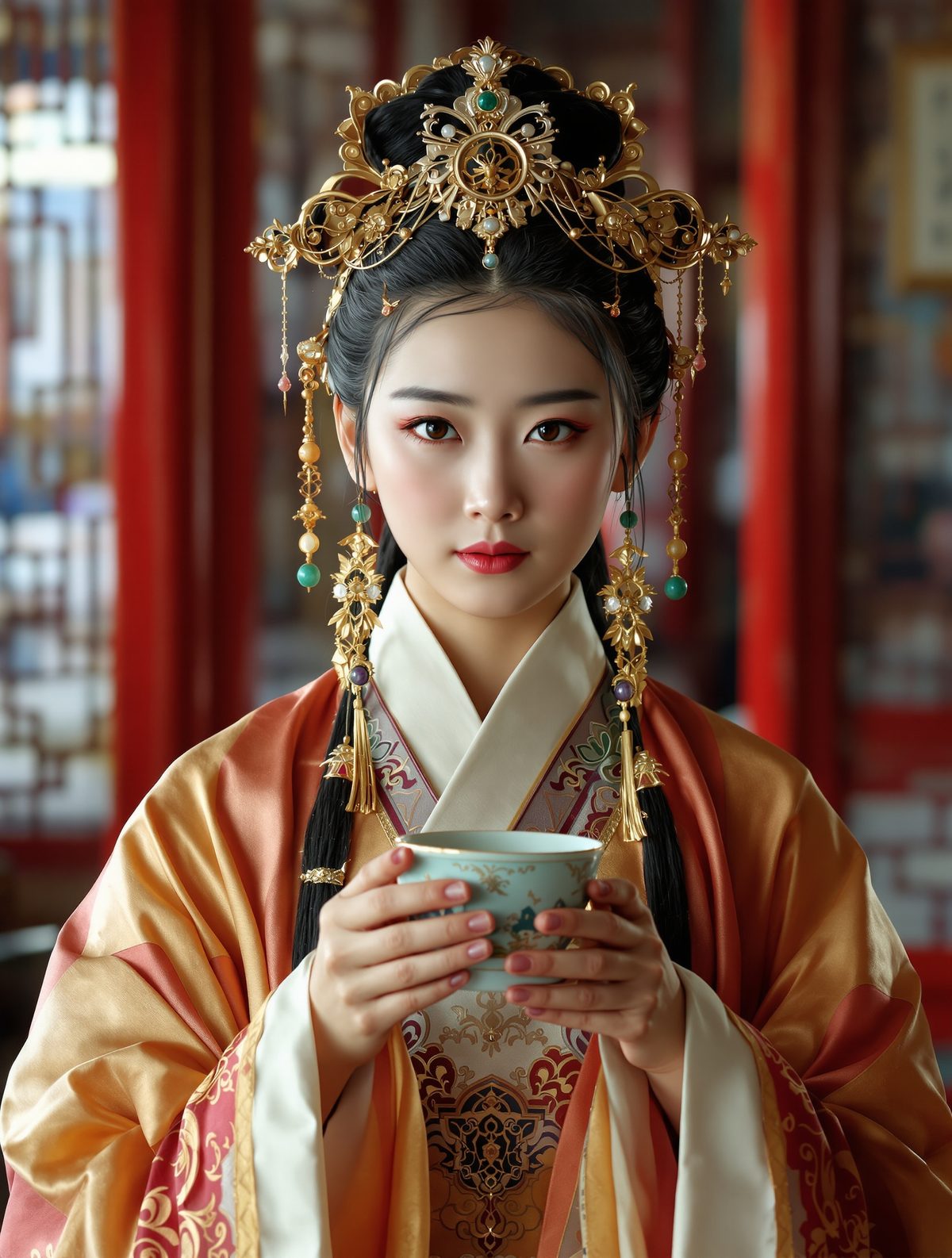
The porcelain teacup trembled in Princess Taiping's hands as she watched her father's face contort in agony. Emperor Gaozong of the Tang Dynasty—ruler of the most powerful empire on Earth—gasped for breath on the silk-cushioned floor of his private chambers. Steam still rose from the overturned cup beside him, its delicate jasmine scent now masking the bitter almond smell of death. As the emperor's eyes met his daughter's one final time, she leaned close and whispered words that would echo through Chinese history: "Mother sends her regards."
It was December 683 AD, and the twenty-three-year-old princess had just committed the ultimate act of filial betrayal—or perhaps the ultimate act of filial loyalty. The man dying before her wasn't just the Son of Heaven, but the father who had planned to execute her mother, Wu Zetian, for treason. In the treacherous world of Tang palace politics, Princess Taiping had chosen her side. What she couldn't have known was that her desperate act would pave the way for her mother to become China's first and only female emperor.
The Empress in the Shadows
To understand Princess Taiping's impossible choice, we must first understand the woman she died to protect. Wu Zetian had clawed her way from concubine to empress through a combination of ruthless ambition, political brilliance, and what her enemies called "unnatural cunning." Born into a merchant family—itself a mark against her in status-obsessed Tang society—Wu had entered the imperial harem at just fourteen years old.
By 683 AD, Empress Wu had effectively ruled China for over a decade while her husband battled a debilitating stroke that left him partially blind and increasingly paranoid. She had revolutionized the empire's bureaucracy, expanded trade routes, and crushed rebellions with an iron fist wrapped in silk gloves. Yet despite her obvious competence, the Confucian establishment viewed her growing power as an abomination against the natural order.
Palace whispers spoke of the empress's "three thousand eyes and ears"—her vast network of spies that included everyone from kitchen servants to high-ranking ministers. What they didn't know was that her most valuable intelligence asset was her own daughter, who moved through the palace like a ghost, collecting secrets that could topple dynasties.
The Father's Fatal Decision
Emperor Gaozong's paranoia had been growing like a cancer through the autumn of 683. Court physicians, led by the ambitious Dr. Shen Nanxuan, whispered that his mysterious ailments—the blinding headaches, the trembling hands, the sudden rages—were not natural afflictions but the result of slow poisoning. The finger of suspicion pointed inexorably toward Wu Zetian.
Historical records from the Zizhi Tongjian chronicle suggest that on December 15th, 683 AD, Emperor Gaozong summoned his most trusted general, Li Duozuo, to his private study. There, surrounded by scrolls detailing military formations and trade routes, the emperor made a decision that would have reshaped Chinese history—if his daughter hadn't learned of it first.
"The empress has forgotten her place," Gaozong allegedly told Li Duozuo, his voice barely above a whisper. "She will be arrested at dawn and tried for high treason. The penalty is death." The emperor's plan was methodical: Wu Zetian would be accused of poisoning him, practicing witchcraft, and conspiring with Buddhist monks to overthrow the Tang dynasty. Evidence—some real, most fabricated—had already been prepared.
But palace walls had ears, and Princess Taiping had cultivated more of them than anyone realized. Within hours of her father's clandestine meeting, she knew everything.
The Daughter's Desperate Gambit
Princess Taiping faced a choice that would have paralyzed most people: allow her mother's execution and preserve her relationship with her father, or commit an act so unthinkable that Chinese historians would debate its morality for over a millennium. She chose a third path—one that required her to become both savior and executioner.
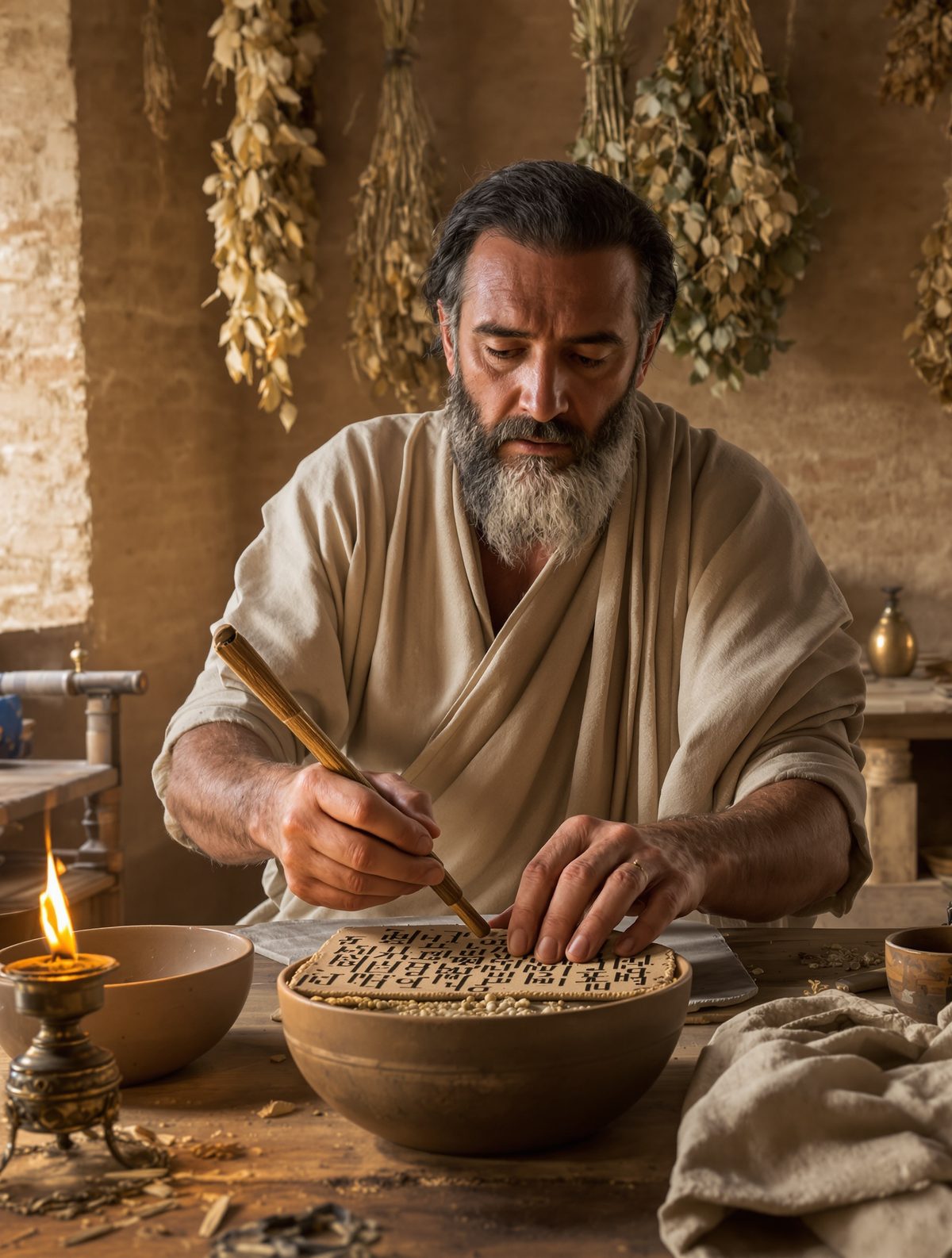
The poison she selected was as elegant as it was deadly: refined arsenic mixed with crushed oleander petals, dissolved in rice wine and masked by the strong flavor of jasmine tea. Palace records show she had been studying with the imperial physician's assistant, ostensibly learning herbal remedies for women's ailments. In reality, she had been preparing for exactly this moment.
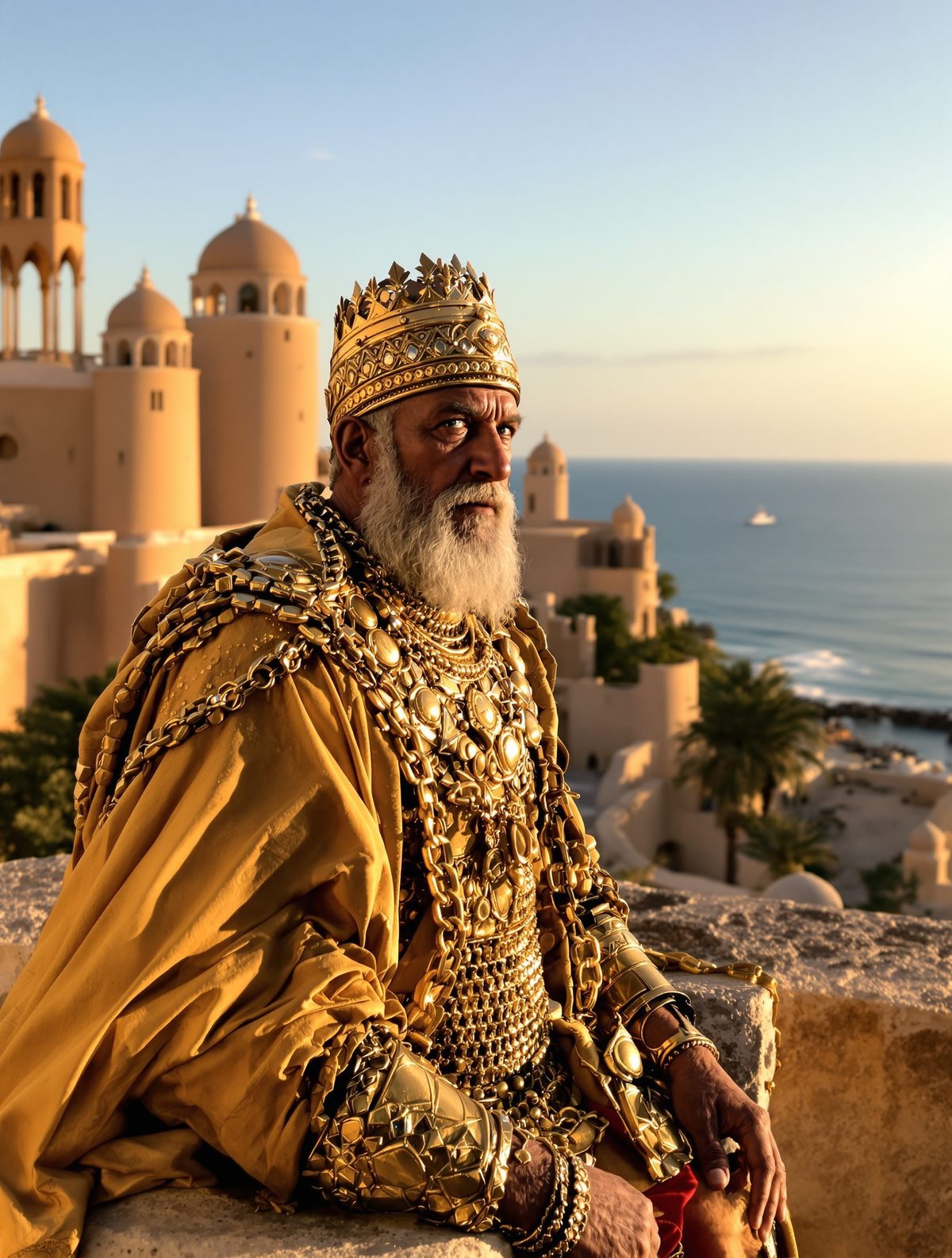
On the evening of December 16th, Princess Taiping requested a private audience with her father—unusual, but not unprecedented. She found him in his study, still wearing the golden dragon robes that marked him as the Son of Heaven, still clutching the arrest warrant that would have meant her mother's death.
"Father," she said, kneeling in perfect submission, "I've brought you tea to ease your headaches." The emperor, touched by what he saw as filial devotion, accepted the cup with a smile. He never suspected that his beloved daughter—the child he had once called "my little phoenix"—was about to commit the ultimate act of rebellion.
The Whisper That Changed History
The poison worked exactly as Princess Taiping had calculated. Emperor Gaozong collapsed within minutes, his body convulsing as the toxins ravaged his nervous system. Palace guards, hearing the commotion, burst into the room to find their emperor dying and his daughter cradling his head, tears streaming down her face.
To the guards, it appeared to be a tragic scene of natural death and filial grief. Only Gaozong heard his daughter's whispered confession: "Mother sends her regards." Whether those words were meant as cruelty, confession, or simply an explanation of the forces that had driven her to such extremes, we'll never know.
The official cause of death, recorded in the Old Book of Tang, was listed as "sudden illness brought on by excessive worry about state affairs." Dr. Shen Nanxuan, who had been preparing to testify against Wu Zetian, found himself conducting the autopsy that would clear her of any suspicion of murder—after all, the empress had been in her own chambers, surrounded by witnesses, when her husband died.
Wu Zetian's response to the news was masterful political theater. She collapsed in apparent grief, refusing food for three days and declaring that she would retreat from public life to mourn properly. Yet within a week, she had maneuvered herself into the position of regent for her youngest son, the new emperor. Within six years, she would declare herself emperor outright—the first woman in Chinese history to claim the title.
The Price of Power
Princess Taiping never confessed her crime, but the burden of it shaped the rest of her remarkable life. She became one of the most powerful women in Chinese history, serving as her mother's chief advisor and later attempting to rule through puppet emperors after Wu Zetian's death. Yet those who knew her spoke of a haunted quality in her eyes, a shadow that never quite left her face.
Some historians argue that Princess Taiping's actions were ultimately justified—that Wu Zetian's reign, which lasted from 690 to 705 AD, was one of the most prosperous and stable periods in Chinese history. Under the woman emperor's rule, the empire expanded its borders, trade flourished, and a merit-based bureaucracy replaced hereditary privilege. The capital city of Luoyang became the largest city in the world, with over one million inhabitants.
Others contend that no political outcome could justify patricide, regardless of the circumstances. Princess Taiping had violated one of the most sacred principles of Chinese society: filial piety. The fact that she did so to save her mother only made the moral calculus more complex.
Legacy of a Deadly Choice
Princess Taiping's story forces us to confront uncomfortable questions about power, family, and the prices we pay for our convictions. In a world where women held virtually no formal political power, two remarkable women—mother and daughter—reshaped an empire through intelligence, ruthlessness, and an unbreakable bond.
The princess's decision to poison her father ultimately enabled one of history's most successful female rulers to take power. Wu Zetian's reign challenged assumptions about women's capabilities that wouldn't be seriously questioned again in China for over a thousand years. Yet this triumph came at the cost of fundamental moral principles and family bonds that Chinese society held sacred.
Today, as we watch women around the world navigate the complex intersection of family expectations and professional ambitions, Princess Taiping's story resonates in unexpected ways. Her tale reminds us that history's most transformative moments often emerge from impossible personal choices—and that the people who shape our world are rarely the paragons of virtue we might prefer them to be. Sometimes, changing history requires breaking the rules that define us, even when those rules are written in our own blood.