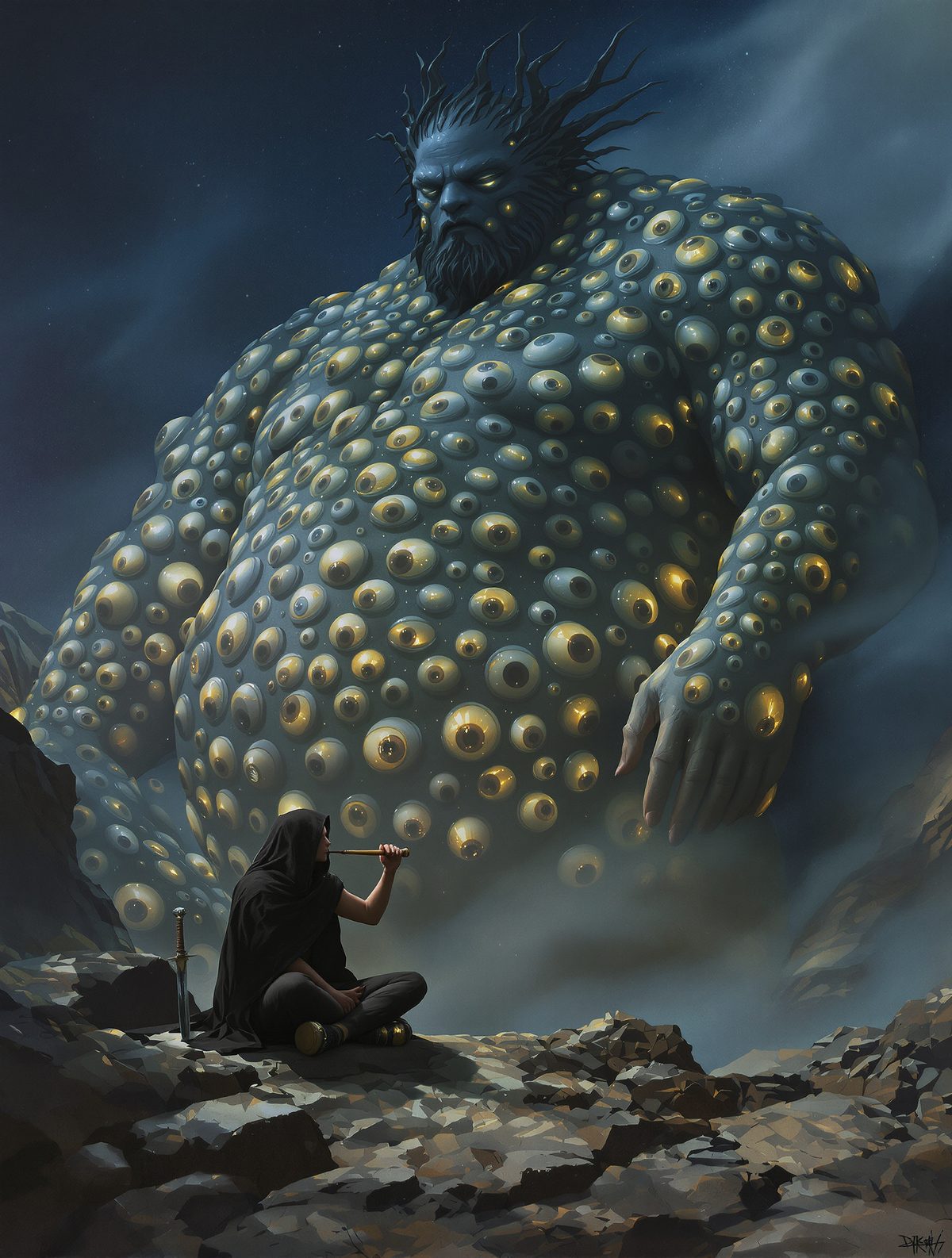
Imagine standing knee-deep in a clear, tantalizing pool of water, parched and weary, but each time you bend to drink, the waters recede just out of reach. Above, the branches of a tree drip with ripe fruit that dangles near your famished lips, only to be whisked away by unseen forces each time you try to grasp it. This perpetual torment is the fate of Tantalus, an honored mortal once welcomed to feast among the gods, whose story echoes as a grim reminder of the dangers of hubris and betrayal.
The Invited Mortal
The myth of Tantalus begins in the heart of ancient Lydia, where he reigned as a king. Unlike any other mortal, he was the rare human afforded the extraordinary privilege of dining with the Olympians. What set Tantalus apart to deserve such an honor? Historical texts suggest that he was renowned for his wealth, wisdom, and charm, and so Zeus, the king of the gods, invited him to join their exalted table.
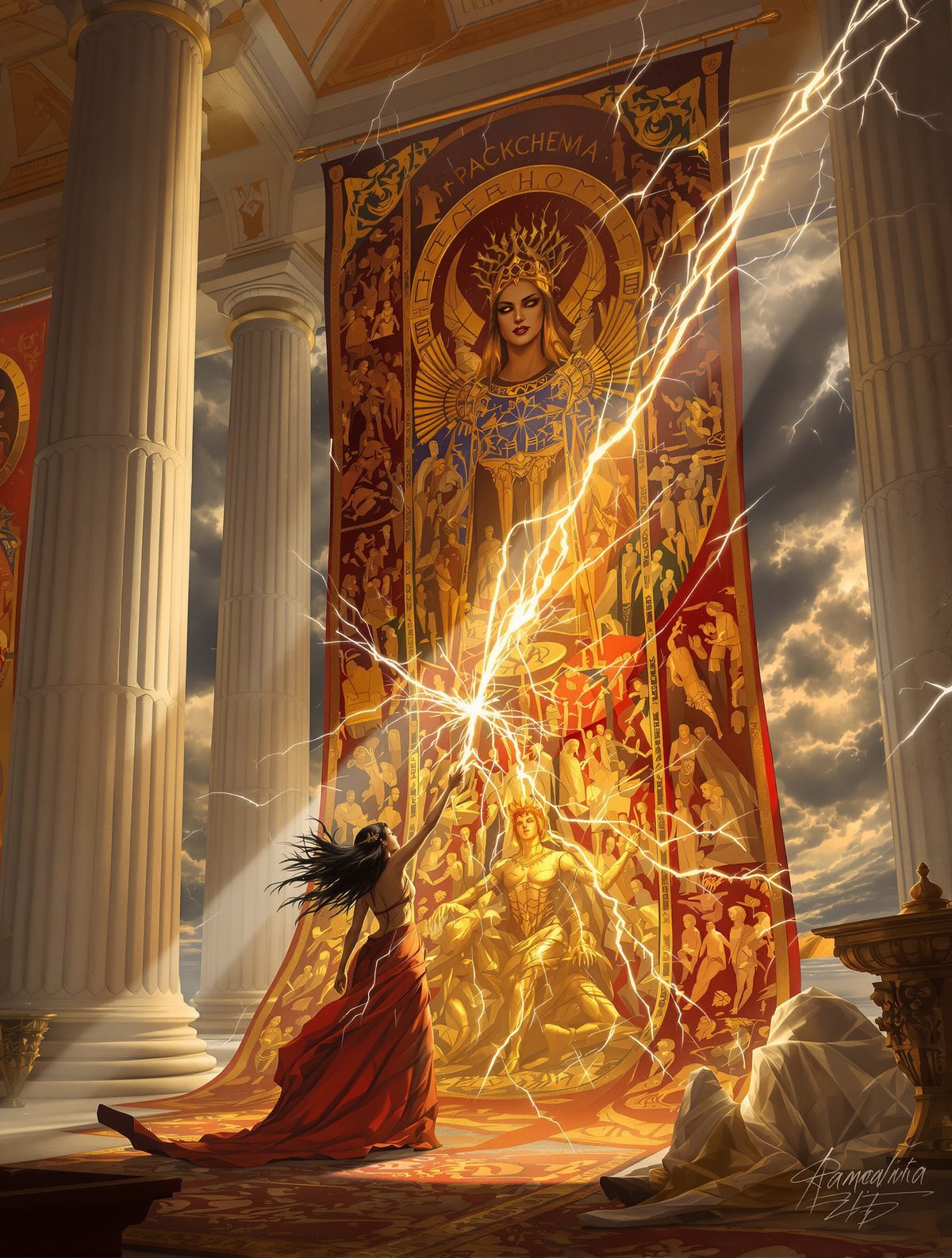
In those divine feasts, under the gold-lit halls of Mount Olympus, Tantalus dined alongside the likes of Hera, Athena, and Apollo. Such a position was not only prestigious but almost unimaginable. He consumed ambrosia, drank nectar, and received the secrets of the gods — knowledge no mere mortal was meant to possess. To the rest of humanity, Tantalus must have seemed unreachably blessed, and yet, this was where his downfall began.
The Audacious Betrayal
But Tantalus had a secret. The very attributes that secured him a seat beside the gods also fueled an audacity that knew no bounds. Somewhere in the revelry of godly camaraderie, Tantalus conceived a plan so heinous it now stands as a testament to human folly.
In an act shrouded in the shadows of myth and morality, Tantalus resorted to treachery. The most acknowledged version of the myth reveals a chilling scene in which Tantalus invited the gods to a banquet at his own table. There, in an unfathomable display of hubris, he sacrificed his son Pelops, cooking him into a stew in an attempt to test the gods’ omniscience. As the story goes, the gods, horrified by this deception, spat out their portions, save for Demeter, who, in her grief, absentmindedly consumed a piece of Pelops.
Punishment Engineered by the Divine
The reaction from heaven was swift and severe. Zeus could not allow such an atrocity to go unpunished. Tantalus was to be damned to Tartarus, the deepest abyss of the underworld reserved for the wickedest of beings. However, it was not mere eternal confinement that awaited him, but rather a punishment that would etch itself into psychological and cultural memory throughout the ages.
In Tartarus, Tantalus resides eternally within an exquisite irony: surrounded by abundance he cannot partake of. His punishment was meticulously designed — hunger and thirst amid plenty, a reflection of his greed and betrayal. Such was its cruelty that it bestowed upon the world a term forever linked with unending desire: “tantalize.”
It is said he stands in a pool that pulls back whenever he bends to drink. Above him hangs fruit-laden boughs that slip away with any attempt to reach them. There is no relief, only the perpetual longing that mirrors his ultimate crime — seeking to taste what was never meant for human lips.
The Gods’ Response
The tale of Tantalus did not only affect him but bore deep implications for his descendants. His son Pelops, restored by the gods but marked forever by the events, carried a cursed legacy. The Greeks believed Tantalus’s actions spawned a cosmic ripple that would taint his lineage for generations, known as the “Curse of the House of Atreus.”
This familial doom echoed through epic narratives, intertwining the fate of such figures as Agamemnon and Orestes, protracting its reach well beyond the boundaries of its origin. Greek tragedy, replete with themes of underlying curses and cyclical fate, drew heavily upon the mythos of Tantalus for inspiration. His story served as a vivid illustration of divine retribution and its merciless reach across generations.
A Lesson Through the Ages
What can modern readers glean from such a dark tale from the annals of mythology? On one level, Tantalus serves as a stark warning against the dangers of arrogance and moral corruption. His tale is a cautionary snapshot preserved from a time when deeds determined fate and divine judgment was absolute.
Yet, beyond mere caution, the story of Tantalus offers a meditation on the human condition itself — an exploration of desire and the consequential endless pursuit of fulfillment that echoes within our contemporary lives. In a world obsessed with consumption and achievement, Tantalus’s tale remains as relevant as ever, presenting a poignant question: In reaching beyond our means and risking everything, what truly is at stake?
And so, the legend of Tantalus, a mere footnote in the textbooks, remains a profound narrative on the endless chase between satiation and depravity — a compelling myth that demands our contemplation as much now as it did in antiquity. His story, whispered through the ages, hopes that we might learn where he ultimately failed.