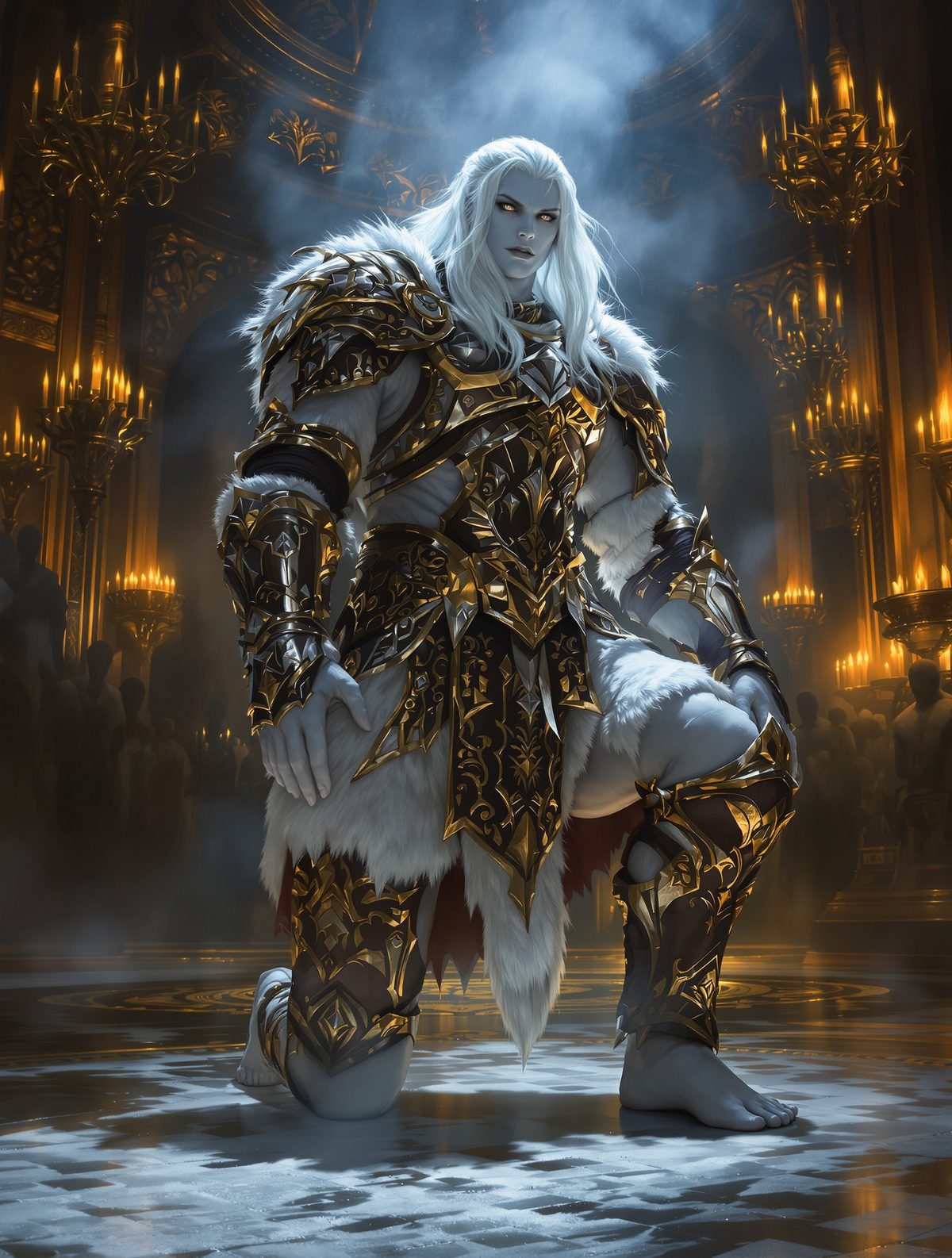
In the shadowy realm of Norse myth, where gods and giants roam a world colored by both majesty and treachery, there walks a figure cloaked in the chill of the mountains. Skadi, the giantess with ice in her veins and fire in her spirit, stood at the gates of Asgard, her intent as piercing as the northern winds. What unfolds is not merely the tale of a woman's vengeance but an enduring saga of choices, love, and the binding ties of destiny.
The Wrath of a Daughter
The story of Skadi begins with the flickering flames of a funeral pyre. Her father, Thiazi, was slain by the Aesir—those gleaming gods of Asgard—rekindling an ancient feud between gods and giants. Skadi, undeterred by the thought of confronting celestial beings, adorned her armor and embarked on a solitary march toward Asgard. Her heart, as cold and unyielding as the Jotunheim glaciers, demanded justice. It was the year 980 AD, when the tales of gods swirled through the frost-kissed air, whispered among fire-lit gatherings.
Skadi was not the typical giantess—she bore no malice without cause, and her father's death was a cause infused with righteous anger. As she approached Asgard's gates, the gods beheld her arrival with a mix of trepidation and intrigue. But these were gods familiar with the weaving threads of destiny. They knew that this confrontation would birth a tale sung by skalds for eons.
A Strange Bargain
Gathered in their sacred assembly, the Aesir faced Skadi, weapons held at bay by a precarious peace. Odin, the Allfather, with wisdom etched in the lines of his face, proposed a solution that veered from the edge of another war. Gold and laughter, he offered—or rather the hall’s weight in wealth and a sonorous chuckle from all-knowing Loki, in an attempt to ease Skadi’s raging heart. Yet what caught her interest was the promise of a god for a husband—a husband whose face must remain a mystery, hidden by the veil of anonymity, revealed only through the glance of feet alone.
Intriguingly, Skadi agreed. But it was her demand for someone as beautiful as Baldr, the ever-radiant god, that turned murmurs into agreement. Perhaps it was her belief that the feet of such a god would stand unmatched in beauty. Perhaps it was destiny’s silent hand guiding her choice.
Feet of Fate
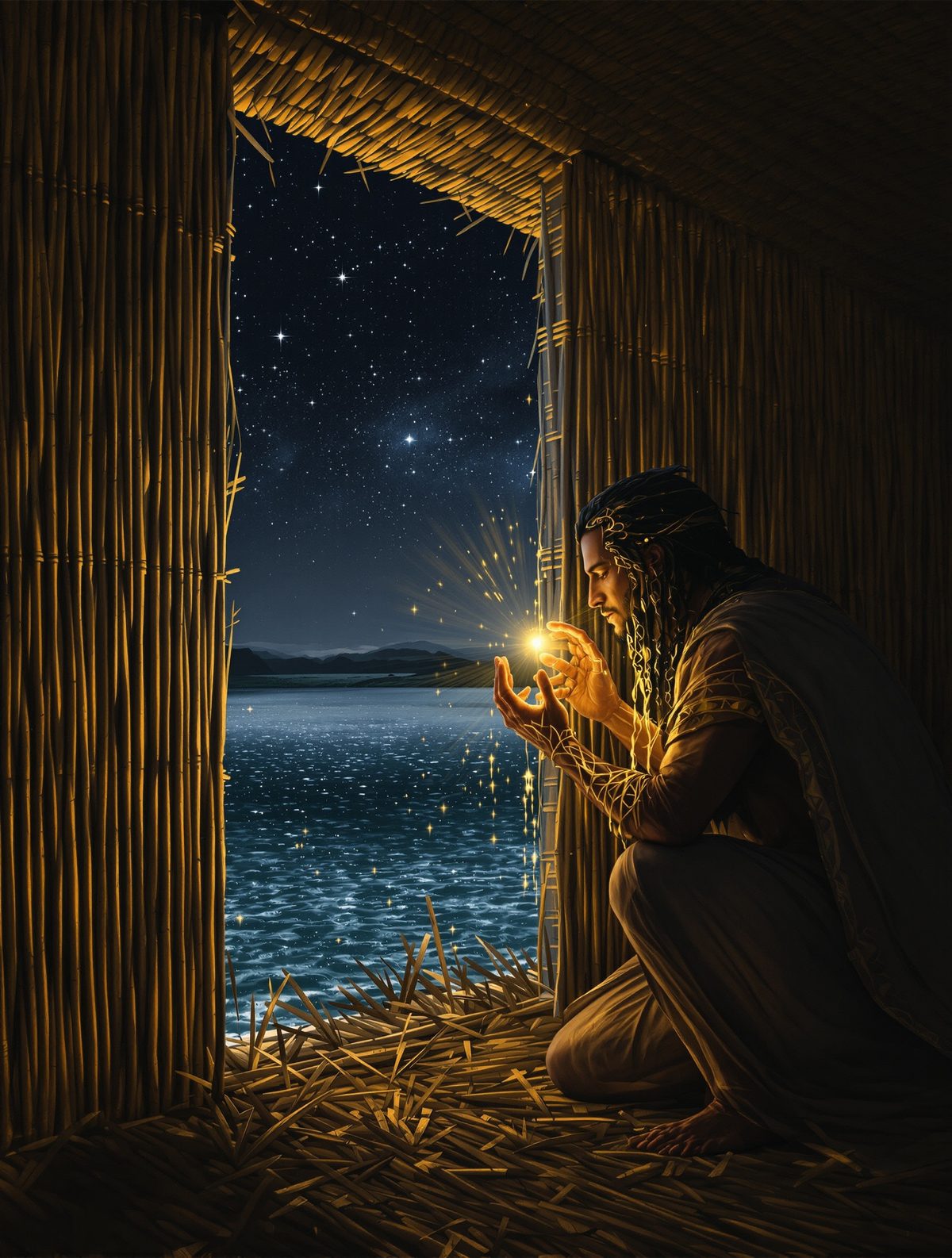
Among the host of Asgard strained in their ranges of boots, it was Njord who inadvertently won the selection. His feet, washed by oceans and shaped by the sands of time, captured Skadi's gaze. To her mind, surely these were Baldr’s. Imagine her surprise when the veil lifted not to Baldr’s sunlit visage, but to Njord's rugged, seafaring countenance.
Njord, the Vanir god of the sea, presided over realms antithetical to the frosts Skadi called home. Where she found solace in icy peaks, he thrived amid the whisper of waves and salt-scoured winds. A match ignited by assumptions and bound by fate, theirs was a union fraught with mutual misunderstanding.
A Cold Hearth and a Turbulent Sea
Their marriage, a binding forced more by circumstance than choice, waxed and waned amidst the stark contrast of their worlds. For Skadi, the interminable sound of crashing waves grated upon her nerves, evoking a yearning for the silent snows of Thrymheim. For Njord, the howling winds and frigid isolation of the mountains were anathema to the harmony of his oceanic realm.
Their compromise led them to spend nine nights in Thrymheim and three by the sea—a cycle that eventually widened the fissure rather than healed it. In this dynamic, one sees a fascinating reflection of the struggles every relationship faces: the balance between individual desires and shared existence.
An Enduring Legacy
Skadi’s tale does not end in mere separation. Instead, she became revered as the goddess of winter, skiing, and bowhunting—a testament to her indomitable spirit and connection to the wilderness. Despite the dissolution of her union with Njord, her legacy in Asgard was that of resilience and strength, embodying the fierce independence that defined her.
Why does Skadi’s ancient saga matter today? In a world still traversing the rocky paths between expectation and reality, the choices we make define us. Her narrative encourages self-discovery, resilience against injustice, and the profound understanding that certain differences, while poignant, illuminate the breadth of human experience.
Thus, the story of Skadi, the giantess who challenged gods for the sake of her own heart, reminds us of the intricate dances we share with fate. While her marriage may have sprung from the wrong choice, it planted her legacy among the stars—a legend perhaps hidden from textbooks, but screaming its truth across the snow-clad peaks.