The Ancient Plan to Erase Humanity
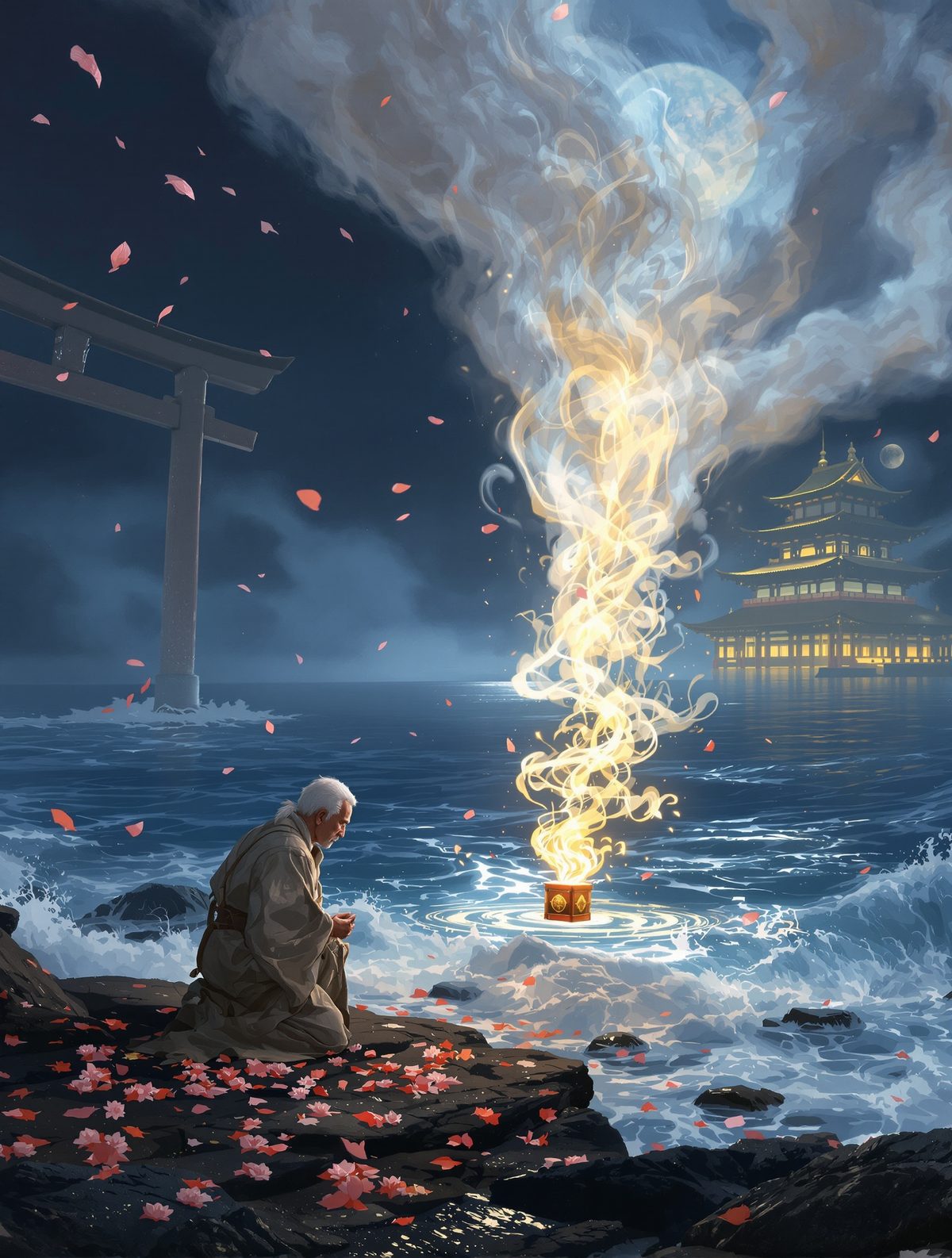
Picture this: The dawn of civilization, where verdant valleys stretch endlessly, cradled by two of the mightiest rivers, the Tigris and Euphrates. Now imagine the divine beings who saw humans as little more than an experiment gone awry. In the shadowy halls of their celestial palace, they convened with a singular vision — to silence humanity's clamorous uproar forever. The decision was made: A great flood would wash away every last mortal, their voices and existence obliterated beneath the surging tides. But amidst the council of gods, one benevolent divinity, Enki, harbored doubts about the righteousness of this cataclysm. What follows is a tale of divine defiance, whispered secrets, and a boat that would carry the seeds of mankind's salvation.
The Divine Conclave: A Gathering of Gods
The Sumerians were a society of storytellers, and their pantheon was as intricate as the ziggurats piercing the skyline of their ancient cities. According to cuneiform tablets unearthed in the ruins of what was once Sumer, now southern Iraq, the gods were peopled with distinct personalities and whims. The Anunnaki, as these deities were collectively known, watched over humanity with a fickle mix of apathy and wrath. Among them, Enlil, the storm god, grew discontented with the unyielding noise generated by humans — their relentless chatter filling the very heavens.
By their reckoning, humanity had become a cacophony too unbearable to ignore. King-priest Enlil himself called upon the divine assembly to action. His silver-tongued argumentation swayed the council, destroying humans by a deluge seemed a divinely pragmatic solution. Yet, Enlil's brother Enki, god of water, creation, and knowledge, knew this verdict was too steep a price for human imperfection.
The Silent Conspiracy: Sworn to Secrecy
For the gods, secrecy was paramount. The humans must never learn of the impending deluge, for their chance for survival lay utterly forbidden. Enki's hands were tied by oaths and divine edicts; he could not speak openly against his shrewder, tougher relatives. But in his divine wisdom, Enki knew he had to reach humanity somehow. If only they could hear him without hearing him.
Unlike his peers, Enki regarded humans with a paternal fondness. Was it not he who had gifted them with the tools of agriculture, ushering in the prosperity of the Fertile Crescent? Now, it was his self-imposed sacred duty to preserve them from annihilation. But how does a divine whisper break the limitations of silence?
The Reed Wall: A Whispered Warning
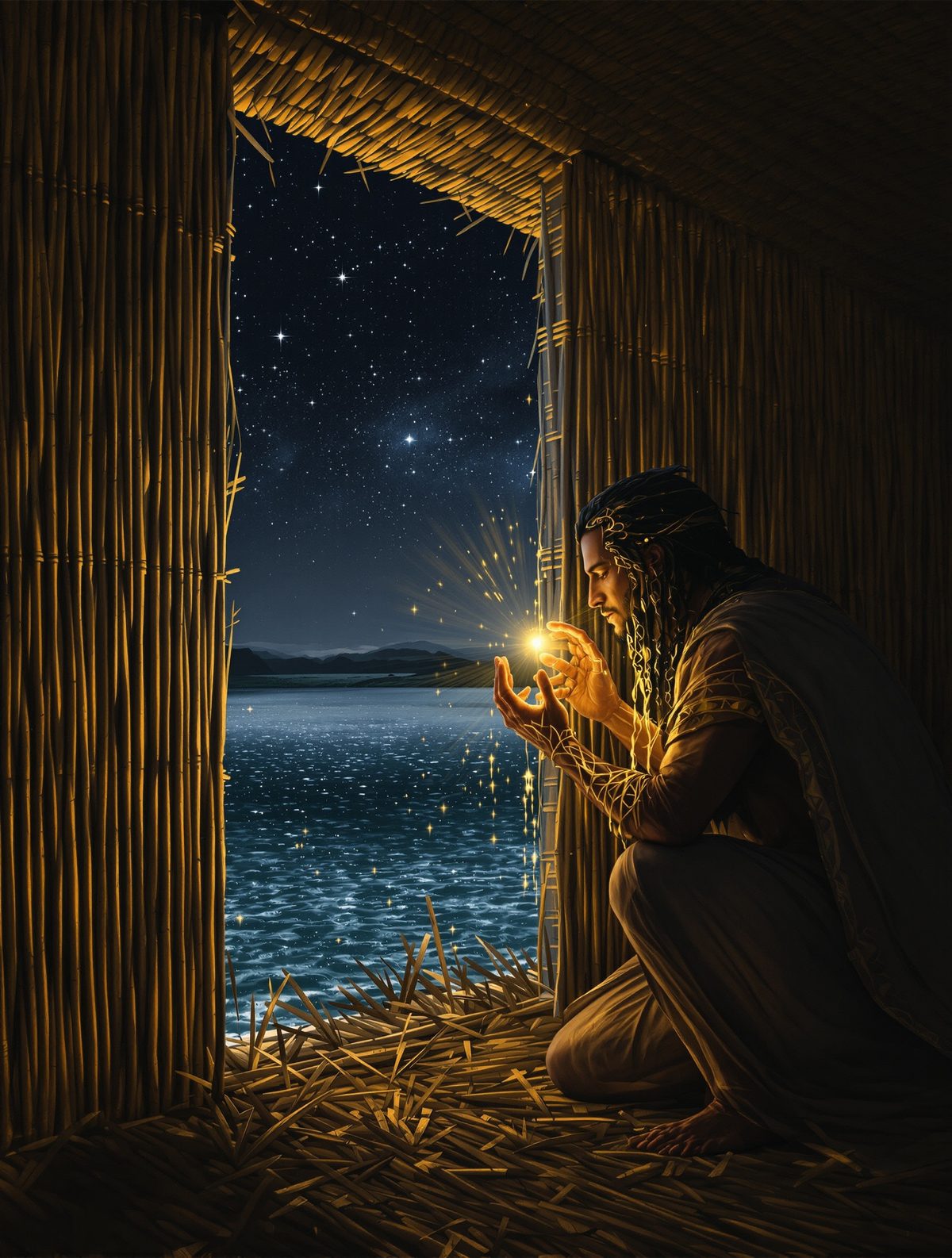
If you've ever marveled at the intricate maze of Sumerian reed houses, picture a sprawling village where every plant seems a potential conduit of divine communication. Enki, in his cleverness, chose a medium as delicate as the lives it sought to save. He knelt beside a wall of intertwined reeds beside the home of Ziusudra, a pious king, profoundly respected for his devoutness and integrity. And there, Enki made his entreaty by whispering earnestly — not to Ziusudra, but to the reeds.
"Build a boat, Ziusudra," the wind seemed to carry the god's caution. "In the fullness of time, a flood will rise that no land can resist. Bring all living beings into its hold, for their survival depends on you."
Awoken by words no mere mortal could have fabricated, Ziusudra took them to heart, accepting the daunting role of an unwitting savior. Far away in the city of Shuruppak, the shrines of the gods watched on as preparations began in secret.
Ziusudra’s Ark: Humanity’s Vessel
The tale of Ziusudra unfurls like that of Noah, Gilgamesh, or Utnapishtim, yet predates them all. The Sumerians documented his extraordinary venture on tablets dating to circa 2000 BCE. Armed with Enki’s foreknowledge, Ziusudra constructed an enduring craft large enough to weather the wrath of divine indulgence. By Sumerian measures, it was a magnificent dreadnought of reeds and pitch that exhibited the architectural prowess of the age.
Animals of every kind, the essence of life yet to come, filed into the ark in pairs. With the imminent flood not mere lore but an inescapable truth, Ziusudra's heart was laden with the burden of continuity — the resolve to safeguard his kin and the teeming vastness of life.
The Tempest: Deluge of the Ages
The ancient Mesopotamian landscape was soon besieged by torrents, as if the heavens sought to reclaim the very earth itself. Rains fell mercilessly for seven days and seven nights, shrouding the river valleys in frothy chaos. Villages unmoored, fields drowned beneath fathomless waters. Yet within an ark of humble provenance endured life, guided by the knowledge Enki's subversion had made possible.
At last, the storm abated, leaving an eerily silent expanse of water. Ziusudra and his divine-appointed ark had withstood the god-sent flood, emerging to witness a sun-drenched, restored world, vibrant yet vacated. Soon after, the gods convened again, marveling not at the renewed creation, but at the resilience of humanity and the unseen hand that saved it.
The Legacy of Enki’s Defiance: Reflection for Modern Times
Today, the epic of Enki's quiet rebellion lingers in shards of ancient clay, relics that echo themes of compassion, responsibility, and the tension between celestial authority and personal morality. In an era searching for equilibrium amidst climate crises and ecological upheaval, what lessons can we glean from Enki, whose values esteemed the preservation of life over the rigidity of divine decrees?
The story of Enki and Ziusudra underscores an essential truth: that against the backdrop of unimaginable power, a single act of conscience can alter the course of history. As stewards of earth in our own modern flood of challenges, may we too find innovative, courageous ways to shape the destiny of our world for generations to come.