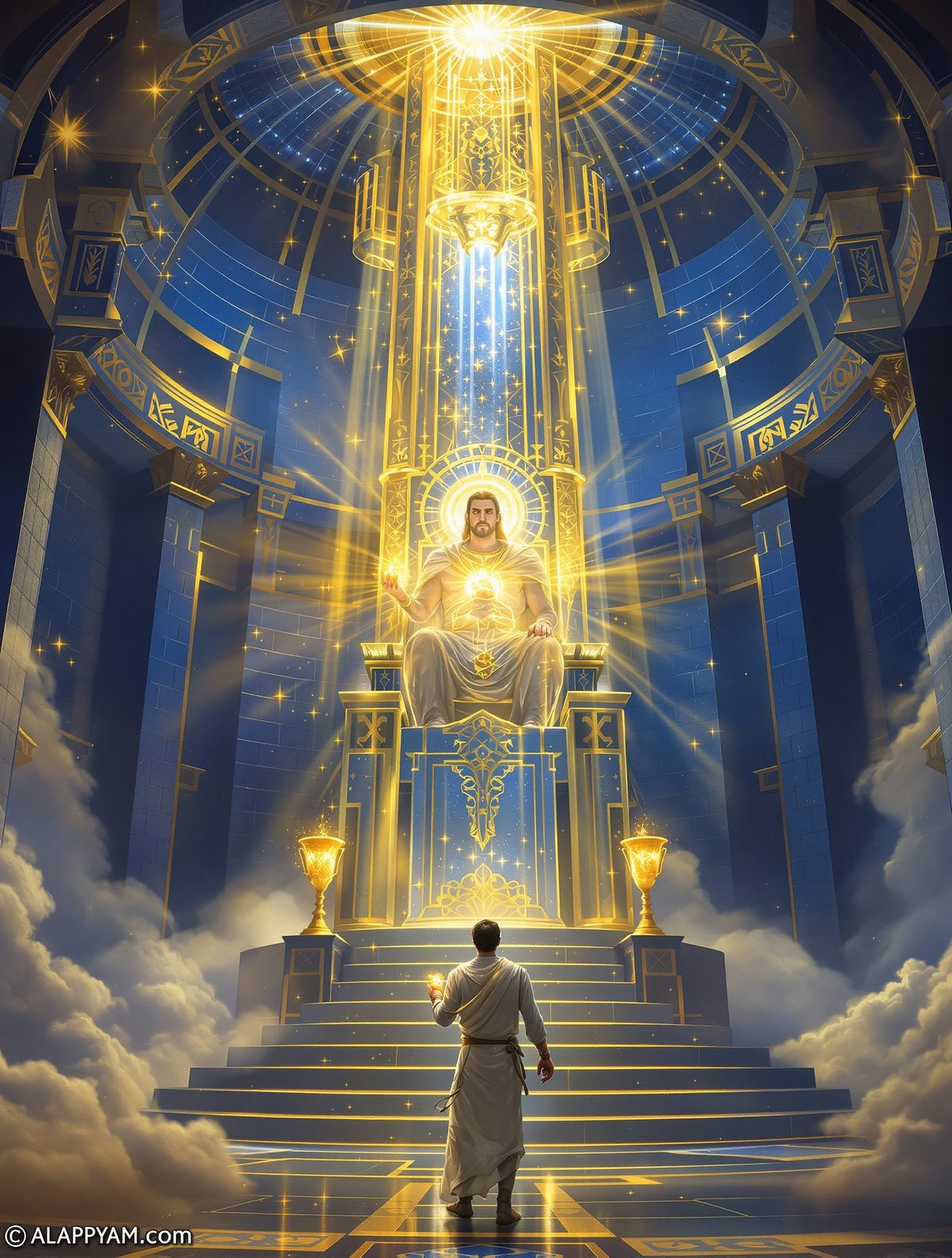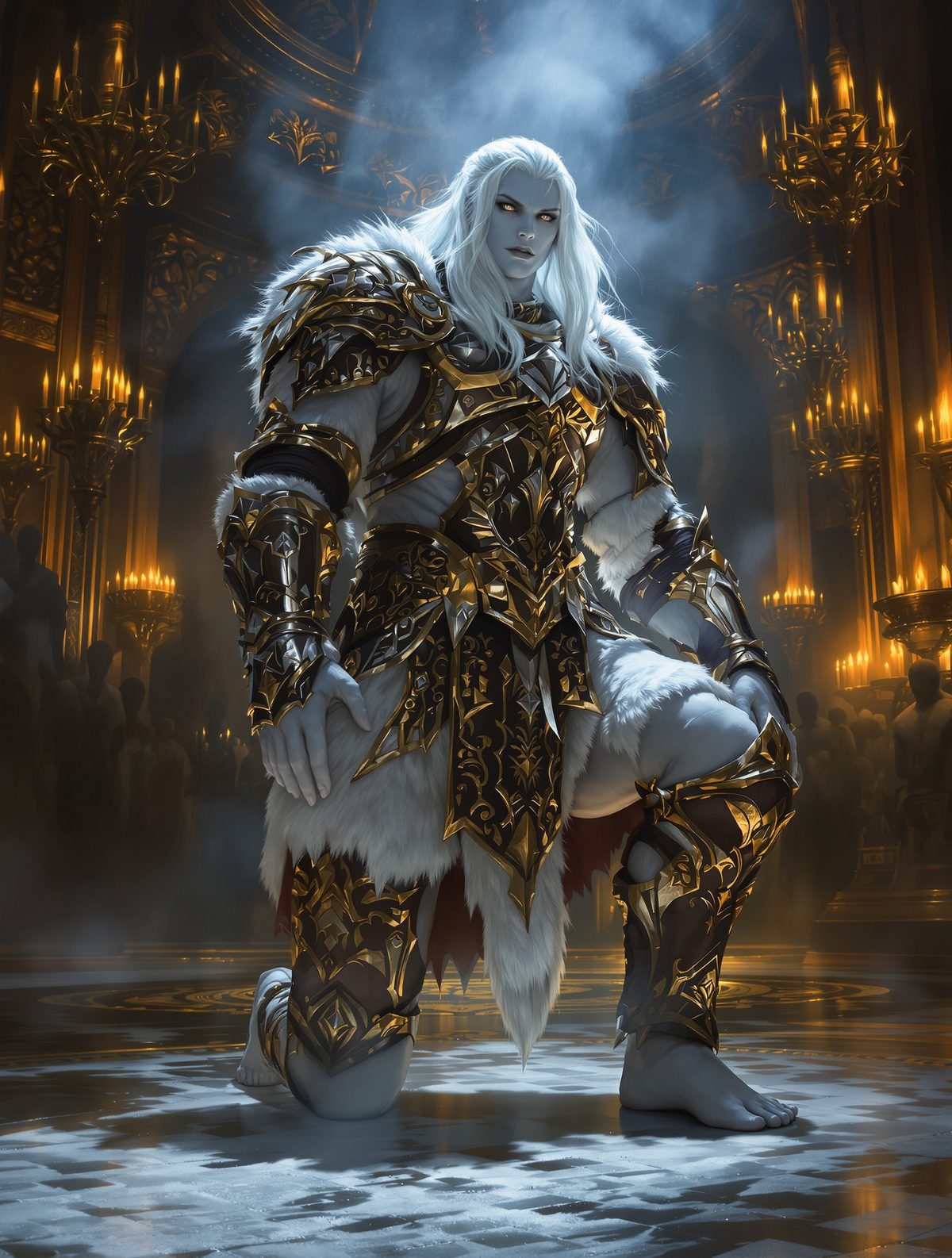
The tale of King Sisyphus is one that resonates through the annals of Greek mythology like the clang of a blacksmith's hammer on a cool winter's night. It is a story of cunning, hubris, and the cosmic scales of justice. Today, we delve deep into the narrative of the man who dared to cheat death not once, but twice. It's a tale filled with intrigue, danger, and the audacious wit of a king who refused to be bound by the dictates of mortality.
The King of Craft and Deceit
To understand Sisyphus, one must first unravel the character beneath the crown. Sisyphus, the son of Aeolus, was the king of Ephyra, a city that would later be known as Corinth. His exceptional intelligence was not a trait that endeared him to the gods. Mythical accounts describe him as cunning and deceitful, a man whose sharp tongue and quick wit often led him into trouble. He was reputed for his trickery, having betrayed Zeus himself by divulging the god's secrets.
According to some legends, Sisyphus was despised for his hubristic nature, having earned the wrath of the gods more than once. But it was his cunning dealings with Death that cemented his place in the mythological lore as a grand trickster. In the depths of his soul, Sisyphus believed that his intellect could reason his way out of any predicament—even out of the jaws of the underworld.
Chaining Thanatos
The fateful moment arrived when Zeus dispatched Thanatos, the personification of Death, to escort Sisyphus to the underworld. A meeting with Thanatos is absolute, a grim finality for mortals. Yet, Sisyphus, with his unyielding bravado, turned the encounter into an opportunity for deceit.
According to the tale, Sisyphus feigned curiosity and admiration for the eerie shackles Thanatos had brought with him. With feigned innocence, he requested a demonstration of how the chains operated. Thanatos, perhaps somewhat flattered, agreed to the king’s request. In a twist of pure cunning, Sisyphus shackled Death himself, leaving him in captivity.
For days, no mortal could perish. The absence of death caused chaos in both the mortal and divine realms. Wars raged without consequence, and sacrifices offered to the gods remained futile. It was a cosmic disturbance that alarmed even the gods. A fascinating little-known fact: This transient immortality led to an overpopulation dilemma in Hades, straining the resources meant for the dead.
A Temporary Reprieve
Eventually, Ares, the god of war—and the only one who reveled in the resumption of death—intervened. He freed Thanatos and restored balance by handing Sisyphus over to the underworld. However, Sisyphus’s cunning knew no bounds. Before his departure from life, he instructed his wife, Merope, not to offer the traditional burial sacrifices. His rationale? An ingenious plan to wiggle out from death's grasp yet again.
Arriving in the underworld, Sisyphus adeptly appealed to Persephone, queen of the underworld, arguing that his neglected burial rites left him unable to properly enter the afterlife. Perthes to his plight, she granted Sisyphus leave to return to the living with the promise that he would rectify the oversight. Predictably, once back among the living, Sisyphus blatantly ignored his agreement to complete his dance with death.
The Eternal Punishment
The gods, growing tired of Sisyphus's antics, decided that his time had truly come. Sisyphus was forcibly dragged back to the underworld, where no charm or plan would spare him from eternal punishment. The underworld's verdict was swift and enduring. Sisyphus was condemned to roll a massive boulder up a hill, only for it to roll back down each time it neared the summit. It was his sentence for bravely, albeit foolishly, challenging the natural order.
This Sisyphean task—labor with no culmination—serves as a profound metaphor for futile efforts, echoing through centuries from its mythological roots to its presence in language and literature today. In an intriguing twist, some scholars propose that the tale may represent fertility myths, rebirth, and the endless cycles of nature, although these interpretations remain speculative.
The Legacy of Sisyphus's Folly
The story of Sisyphus is not merely an ancient legend stuck in the cobwebs of history. It is a narrative with resounding implications, weaving the familiar human trait of hubris with timeless lessons about the acceptance of mortality. The tale warns against the arrogance of believing one can outwit inevitable destinies, echoing a caution still relevant in modern discussions about human limitation and existential philosophy.
Sisyphus's punishment symbolizes the endless struggle for meaning in existentialist discourse, influencing the thoughts of philosophers like Albert Camus. Today, when we speak of the "Sisyphean task," it is not merely a reference to a myth, but a reflection on our own attempts at creating significance in life's cycles.
Thus, Sisyphus remains a potent symbol—a testament to the age-old struggle against fate and a reminder of the constraints that bind both mortals and gods alike. The king who refused to stay dead has taught humanity to question, to persevere despite apparent futility, and to find value within the struggle itself.