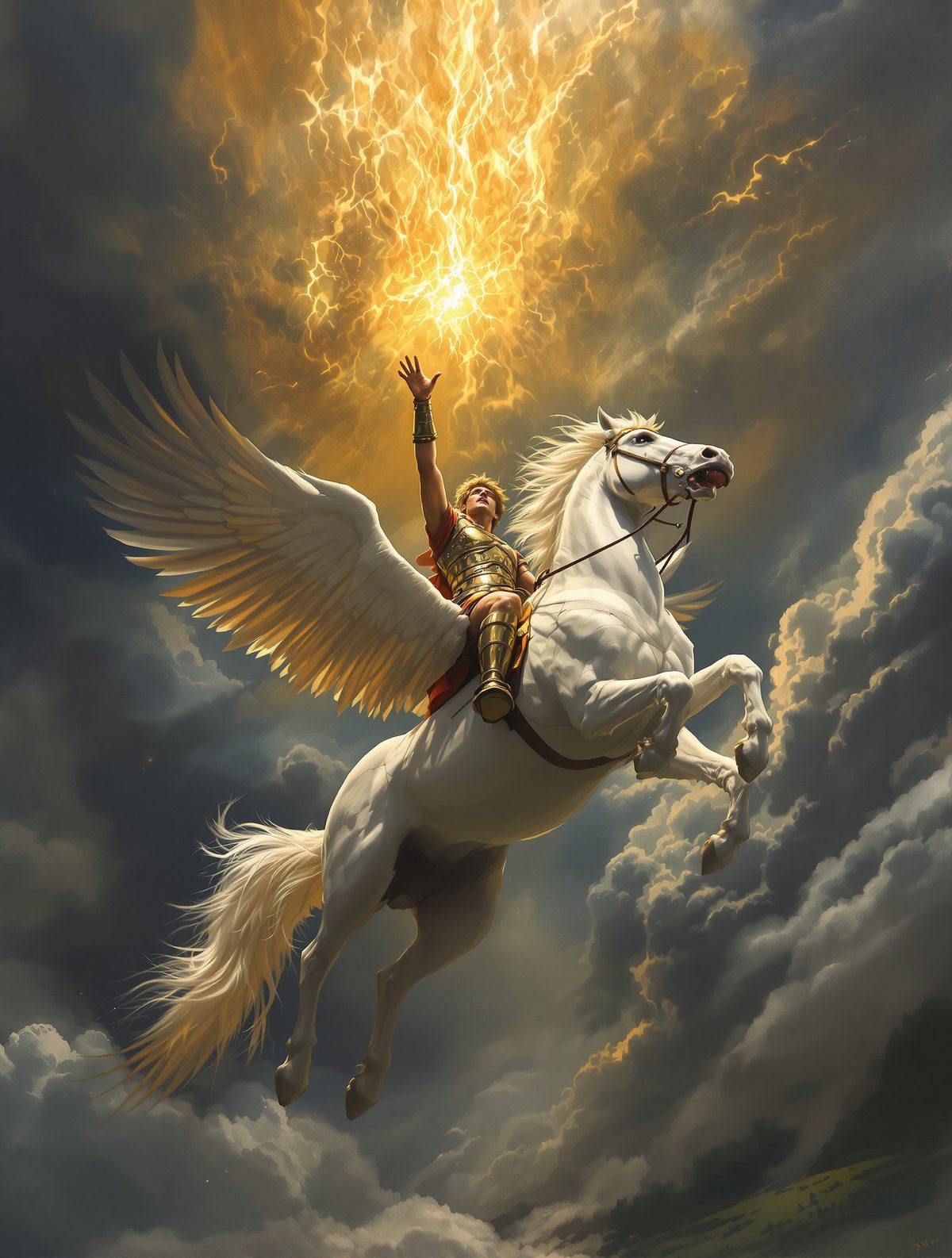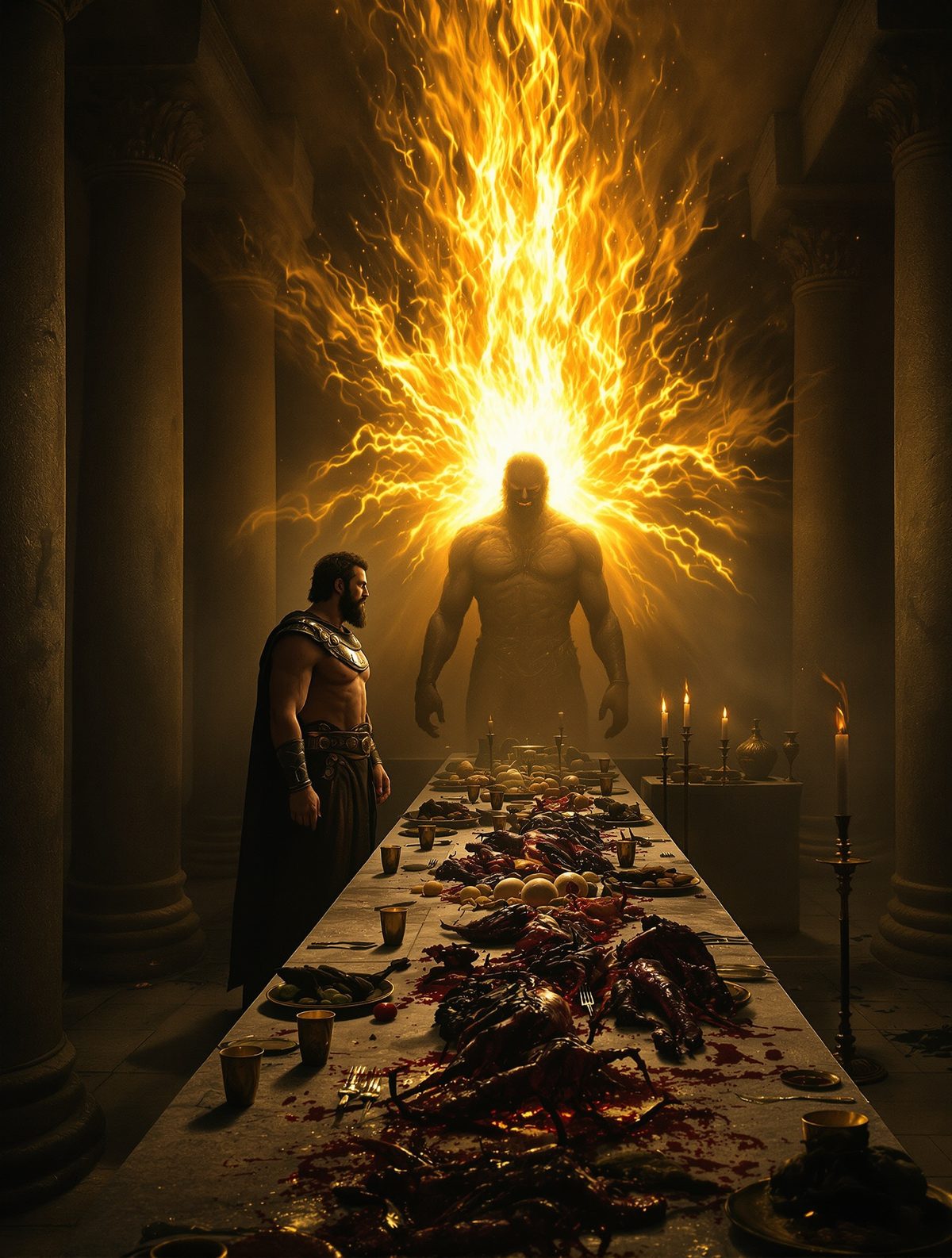
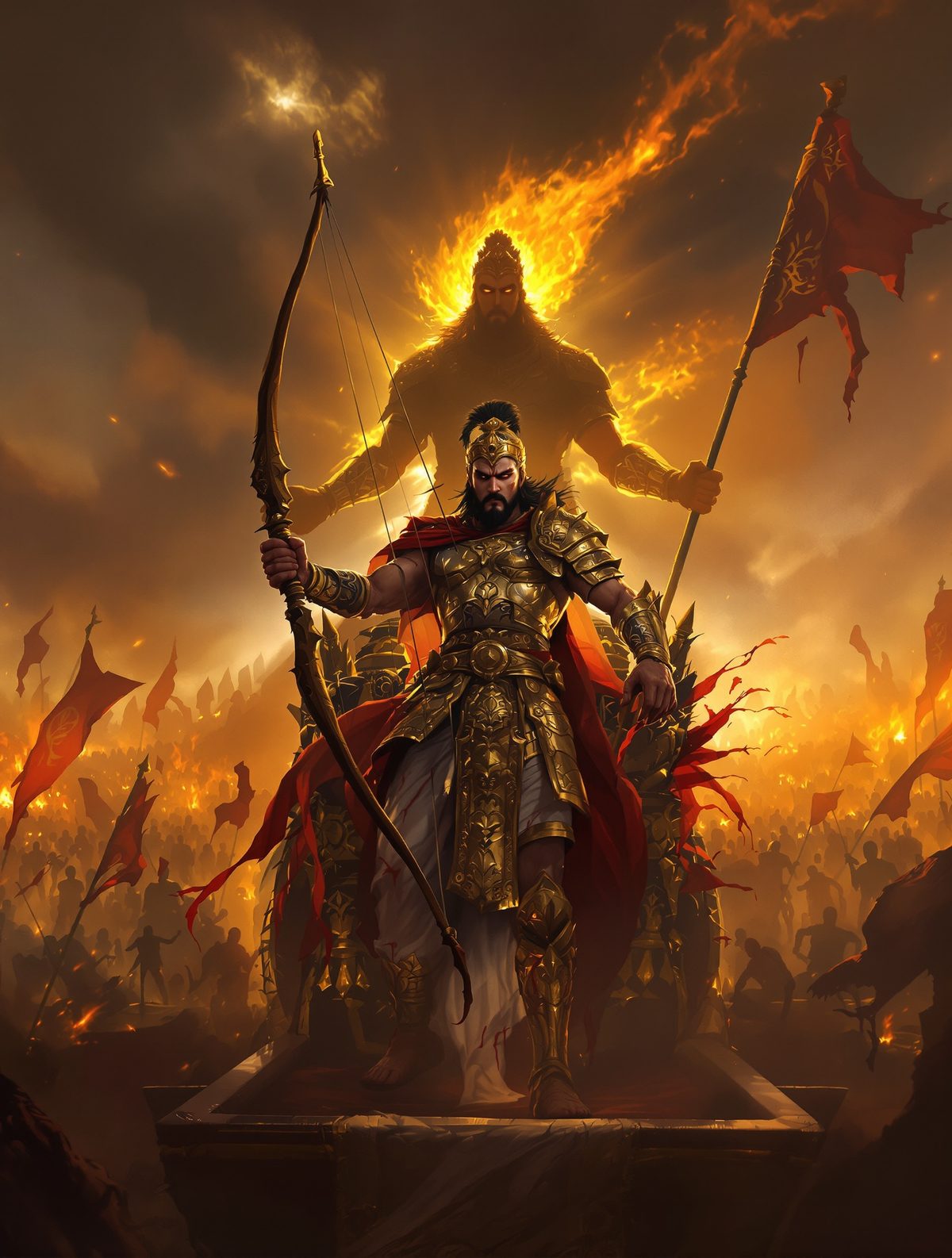
In a world where epic battles decide the fate of kingdoms and warriors etched their names into eternity, there lies a story that dances on the edge of legend and reality. A tale where the very fabric of identity and destiny intertwine, giving rise to a warrior who would strike fear and hesitation into the heart of invincibility. Enter the realm of the Mahabharata, and uncover the paradoxical story of Shikhandi — the warrior born to fell the greatest of them all, Bhishma.
From Princess to Warrior: Shikhandi's Unusual Journey
In the ancient kingdom of Panchala, a royal birth marked the dawn of an era that few could have predicted. Shikhandini, born as a princess, entered the world under the looming shadow of a prophecy that spoke volumes of past lives and unfulfilled vengeance. Her story, however, began many lifetimes ago as Amba, a potential bride rejected by Bhishma, whose vow of celibacy sealed her fate and led her to a tragic end. Swearing to return and be the reason for his downfall, Amba was granted a rebirth by the grace of Shiva, eventually reemerging as Shikhandini.
From the moment of her birth, Shikhandini was no ordinary child. Her ambiguous gender became a symbol of her complex destiny. In a world that revered masculinity, her true potential as a warrior was realized only after an extraordinary transformation. Thanks to a boon from a yaksha, Shikhandini transitioned to Shikhandi, the warrior Prince, embracing her true purpose of challenging Bhishma.
The Battlefield of Kurukshetra: A Crucible of Fate
The Kurukshetra War, fought around 3102 BCE, was not just a battle for a kingdom but a confrontation of destinies. For nine days, Bhishma stood as an indomitable force, unassailable by any means. His strategic brilliance and battlefield prowess rendered him a living legend. Yet, he harbored a chink in his metaphorical armor — his vow to never battle a woman, or anyone exhibiting feminine attributes, with deadly intent.
On the tenth day, the air was thick with an anticipation that cut sharper than any sword. The Pandavas strategized with vigor, for they knew that Bhishma's presence was the greatest hurdle in their path to victory. It was on this decisive day that Shikhandi, reborn from vengeance, found his moment in history.
The Fateful Encounter: When Invincibility Paused
The sun bore witness as chariots clashed and arrows flew with a frenzy that painted the skies red. Bhishma, the Grandsire, moved through the battlefield like a force of nature, but his eyes fell upon Shikhandi, and a storm of emotions brewed within. Here was a figure draped in armor that did little to hide the feminine soul beneath. And Bhishma, true to his word and principles, lowered his bow.
It was Arjuna, the greatest warrior of the Pandavas, who seized the moment. With Shikhandi leading the charge, Arjuna's arrows found their mark. Linked by destiny, Shikhandi's presence unraveled the tightly knit threads of Bhishma's invulnerability. The invincible warrior, felled by the power of restraint and a vow, chose to accept his fate at the hands of the reborn.
The Moral Paradox: Power, Identity, and Dharma
Bhishma's fall was a deeply symbolic moment that raises questions about duty, personal belief, and the constructs of identity. Despite knowing Shikhandi's past, Bhishma adhered to his vow, displaying a complex blend of unwavering honor and vulnerability. In this clash, Shikhandi became more than a warrior; he became a catalyst for change, challenging the definitions of gender and destiny long before modern discourses emerged.
It’s fascinating to consider that in a time where dynastic dreams were shaped by the sword and scale, it was a vow rooted in respect, and feminine force, that brought about one of the greatest warrior's demise. This highlights a deep interplay between the individual and collective dharma — an ethical centerpiece that directed the course of the epic.
A Legacy of Transformation and Reflection
As we traverse through history and myth, Shikhandi's story reveals more than narratives of war and revenge; it reflects the enduring power of transformation and the impact of moral choices. In a modern world grappling with issues of identity, gender roles, and ethical dilemmas, Shikhandi stands as a timeless archetype of change and adaptability.
The story of Shikhandi and Bhishma continues to resonate, encouraging reflections on how far we have come and how history rhymes with our present struggles. It reminds us that sometimes, the mightiest battles are fought not with weapons, but with decisions that have the power to rewrite destinies. From the pages of the Mahabharata, Shikhandi's extraordinary journey leaves us pondering the extraordinary capacity of the human spirit to transcend its own limitations and embrace a legacy of progress and hope.