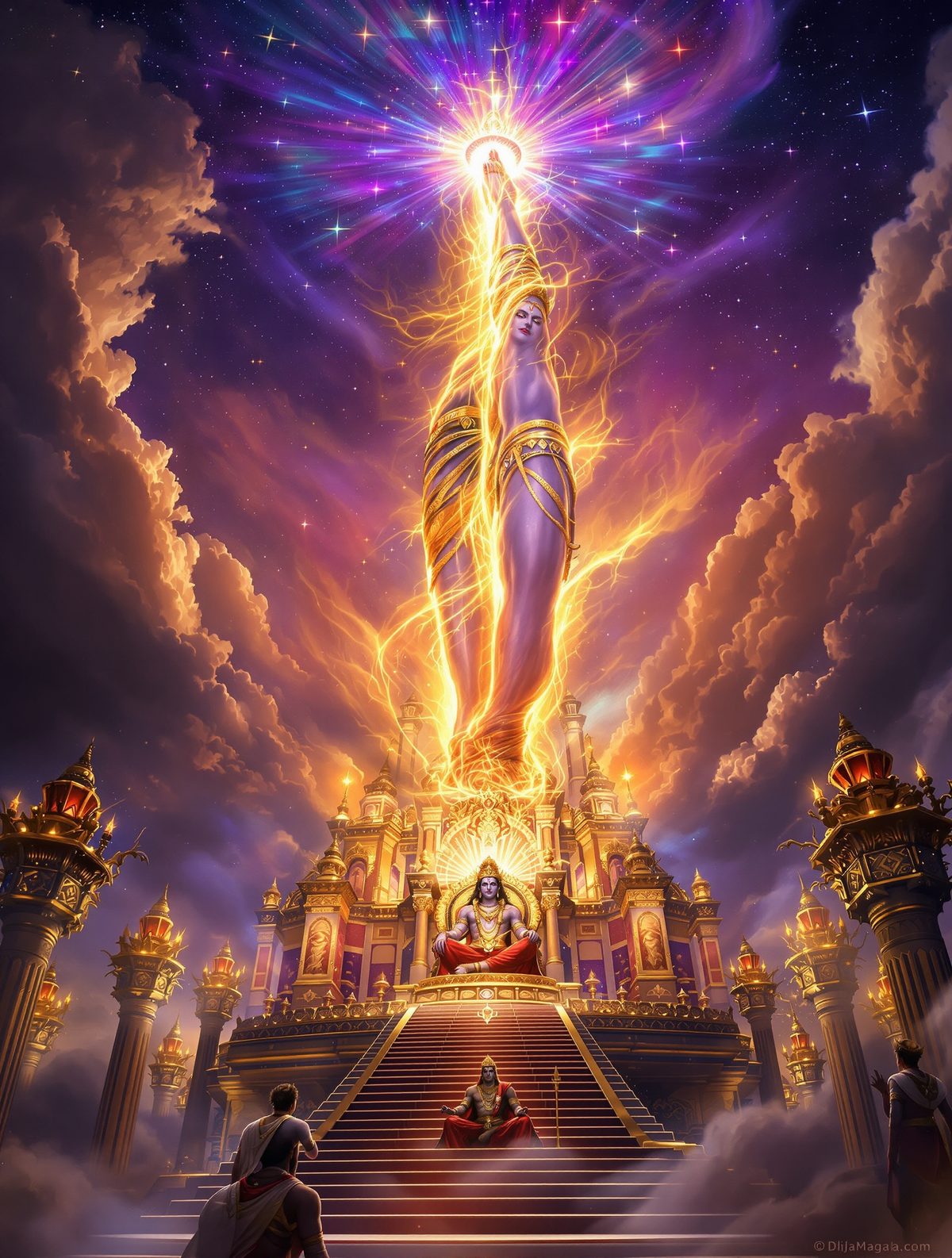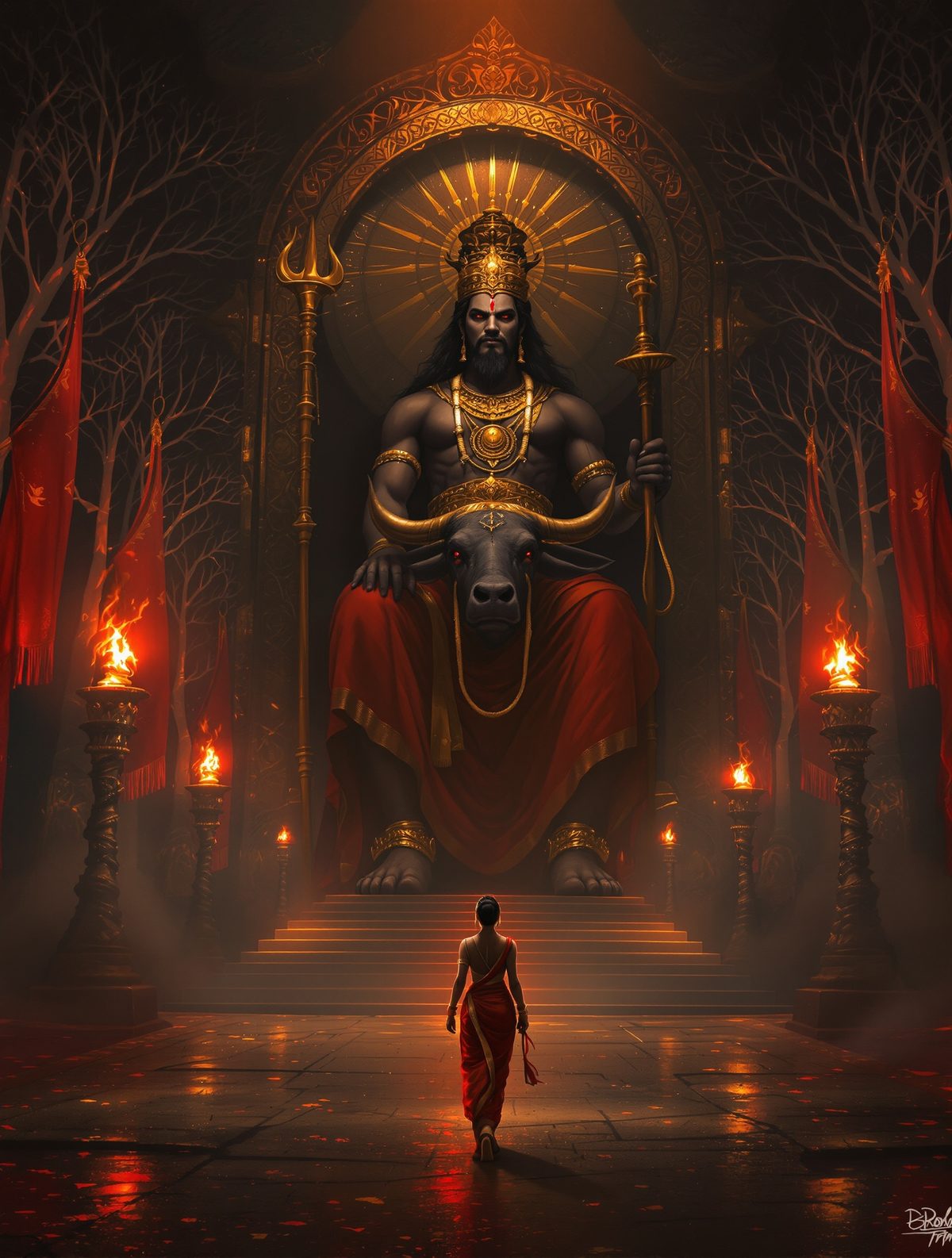
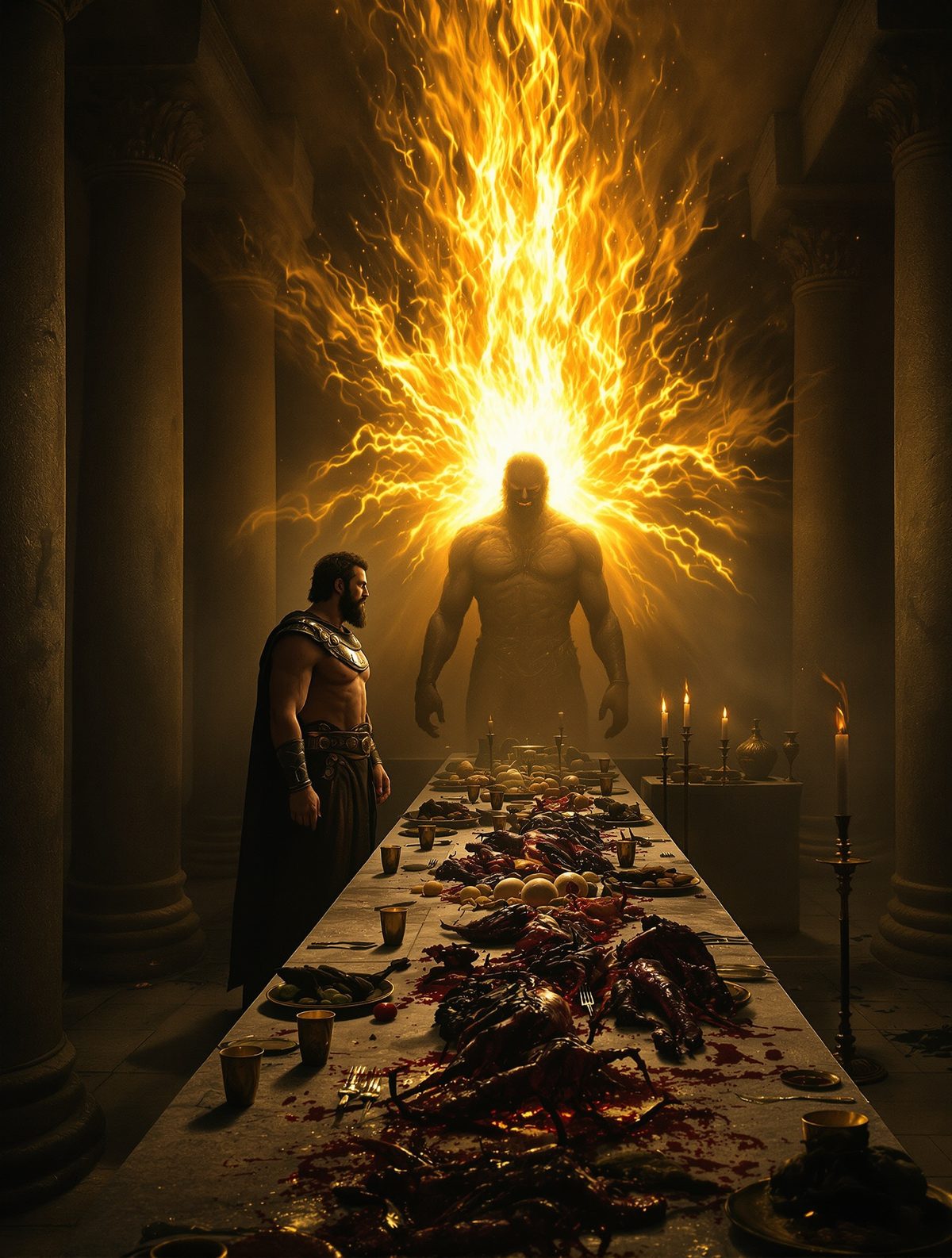
The wind howled through the thick forests of ancient Arcadia as night tightened its grip on the land. The light of a thousand stars and the pale gaze of the moon cast eerie shadows on the rugged terrain. Somewhere in this enigmatic backdrop, a tale unfolded that would alter the course of mythology forever—a tale swimming in mystery, betrayal, and the godly wrath of Zeus himself. Welcome to the legend that textbooks have left untold: the story of King Lycaon and the meal that changed the fate of a kingdom.
The Arrival of a God in Disguise
In the age when gods walked among men, no disguise was too simple for Zeus, the ruler of Mount Olympus. The year, according to myth, was a time long before recorded history, when divine interference shaped the mortal realm. In human form, Zeus descended upon Arcadia, a region famous for its dense woodlands and untouched wilderness. Here ruled King Lycaon, a figure both enigmatic and ambitious, whose lineage stretched back to Pelasgus, considered the forefather of the Arcadians. With fifty sons—a number that signified not just a clan but perhaps a conspiracy—Lycaon's legacy was intricately tied to Arcadia's destiny.
But neither hospitality nor reverence awaited Zeus. Rather, the king harbored doubt and mistrust. Some say Lycaon resented divine authority; others believed he merely wished to uncover the god’s true identity. Either way, his mind was set on one thing: a test.
A Feast Most Foul
In his grand hall, Lycaon prepared a feast intended to unmask his visitor. Unknown to Zeus, the Arcadian king had devised a sinister plan—a plan that would ultimately seal his fate. To test the divinity of his guest, Lycaon ordered the slaughter of a hostage boy, some legends claiming it was his own grandson, Arcas. The gruesome act unfolded behind closed doors as Lycaon’s sons took part in the abominable deed.
The meat was prepared, cooked, and served. As Zeus sat in quiet observation, a storm brewed not outside, but within. As the plates were placed before him, the true nature of this grim feast unraveled. It wasn't mere suspicion driving Lycaon but a grave challenge to divine power—a challenge that would receive a swift and unambiguous answer.
Divine Wrath Unleashed
When the morsels of human flesh were set before him, Zeus, in his infinite wisdom, recognized the macabre trickery. In an instant fraught with divine fury, the god overturned the table. His eyes, once serene, blazed with the anger of the storms he commanded. To all present, it became clear that this was no mortal guest. Zeus stood, no longer bound to mortal guise, and invoked a curse so profound that its legend still resonates through the corridors of history.
In a swift motion, the ruler of Olympus inflicted his judgment: a curse that transformed King Lycaon and his sons into wolves. The metamorphosis was a symbol of their base nature—a fitting form for those who fed on kin. This is told as the world’s first werewolf legend, a plight of legend and folklore. In their new form, Lycaon and his progeny were bound to roam under the night sky, their cries a reminder of hubris and divine retribution.
The Great Flood: Resetting Mankind
This event was not isolated. Lycaon’s abomination precipitated fury on a grander scale. Much like the tale of Noah, Greek mythology recounts a great cataclysm: the flood sent by Zeus to cleanse the world of its growing insolence and corruption. This deluge was not mere rain but an obliteration designed to restart a cycle marred by impiety and human folly.
The survivors of this deluge, Deucalion and Pyrrha, were spared due to their piety. These figures laid the foundation for the new human race, ordained by divine and righteous hands. This flood signified Zeus’s determination to maintain order and balance, a celestial equilibrium long threatened by mortal ambitions.
The Legacy of Lycaon
The echoes of Lycaon’s folly continue to permeate across cultures and time. The terms *lycanthropy* and the concept of werewolves owe much to this tale, transforming over centuries from myth to modern horror folklore. They reflect the existential fears of losing one’s humanity and becoming something primal, less restrained by civilized codes.
Arcadia, meanwhile, retained its place in Greek lore as a land visited by tragedy and rebirth—a microcosm of divine interaction and human frailty. Tales of visitors exploring the remnants of Lycaon’s legacy abound in classical literature, where fact and fiction entwine in timeless narrative sculpture.
A Modern Reflection
What does Lycaon’s legend teach modern society? Beyond the sphere of divine and mythological justice, this narrative offers a timeless cautionary tale about the dangerous lures of pride and hubris. In a world entangled with complex moralities and tumultuous ambitions, it stands as a reminder to tread carefully with the forces and the bonds we forge, and the potential consequences when we fail to heed wisdom taught through the ages.
The myth of Lycaon and Zeus cautions us about challenging powers beyond our comprehension, echoing through history in tales of providence and punishment. In essence, it urges us to maintain humility and integrity, fostering a world less susceptible to the wrath of metaphorical storms.
As we peer back through the mists of time, this story draws us ever closer into the richness of human imagination, binding past with present and cautioning us about the future. Indeed, every legend carries with it the power to educate, entertain, and enlighten—a testament to the undying fire of ancient storytelling.