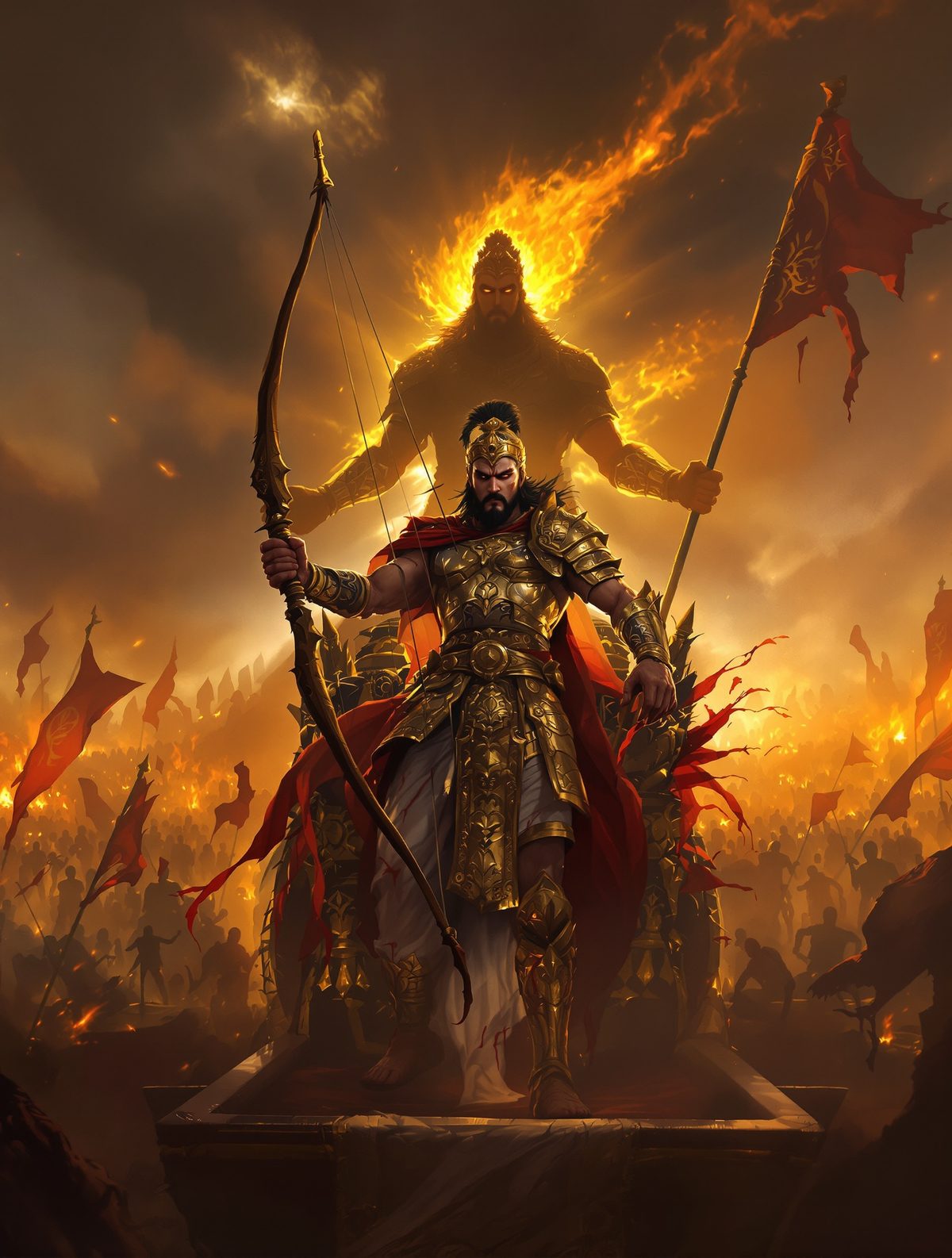
In the realm of swirling mists and celestial deities, where the line between the divine and the mortal world could be crossed by the bold or the unwary, there lived a god named Izanagi. His name, heralded in the ancient texts of Japan, evoked both reverence and intrigue. He was a creator, a wanderer, and a father to gods. Yet, the story that awakens the heart of mythology enthusiasts is not merely one of creation, but a tale of transcendence and rebirth through a singular act of purification.
The Dark Descent: Izanagi in the Land of the Dead
Long ago, when the world was still nascent and the heavens newly fashioned, Izanagi, alongside his beloved consort Izanami, was tasked with shaping the Japanese archipelago. Their union brought forth countless deities. However, their happiness was short-lived. During the birth of Kagutsuchi, the god of fire, Izanami perished, consumed by the flames of divine childbirth.
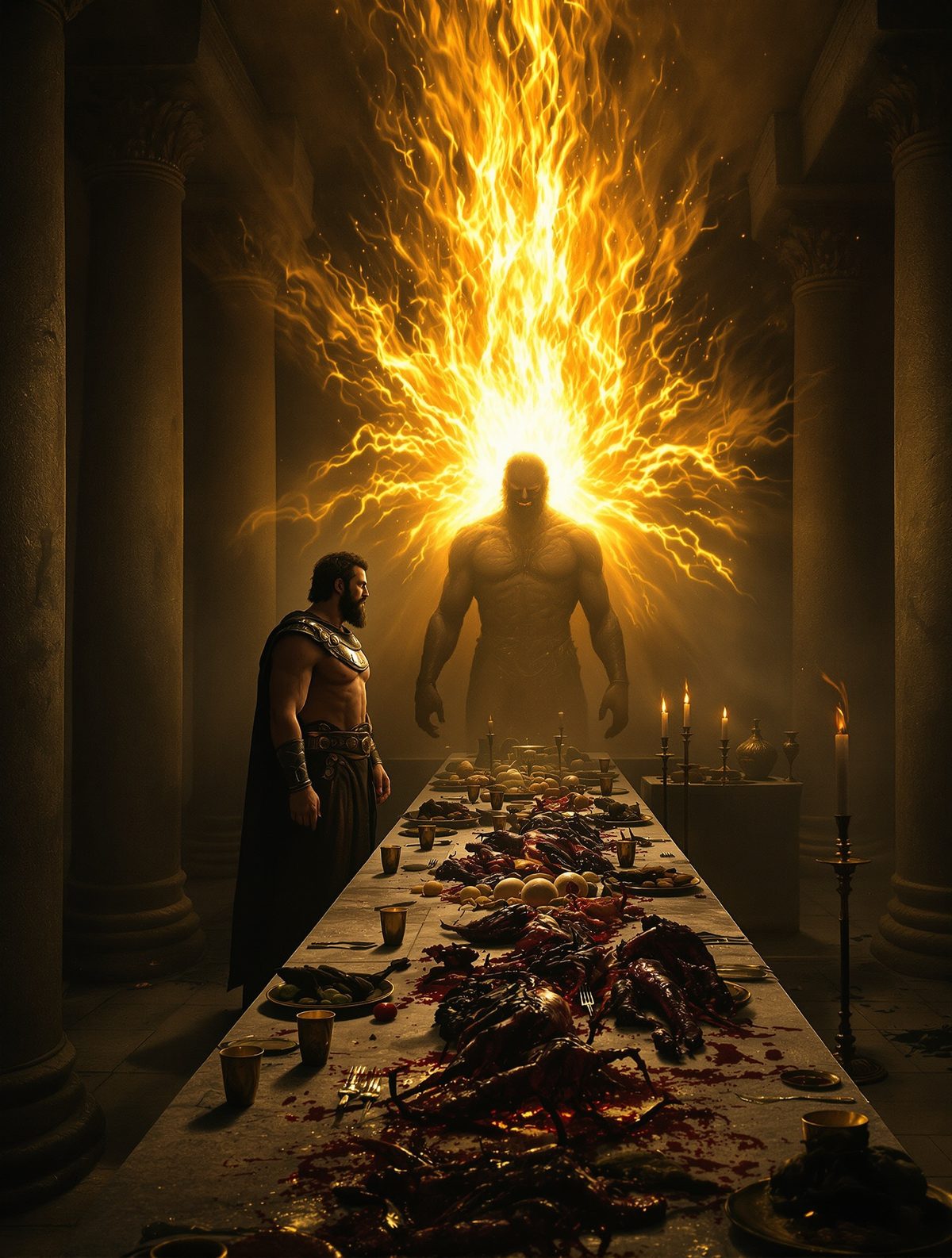
Heartbroken and desperate to reclaim his lost love, Izanagi descended into Yomi, the land of the dead, a shadowy realm akin to the Greek underworld. Unlike the warm embrace of the sunlit world above, Yomi was cloaked in a perpetual curtain of gloom, a chilling testament to the finality of death. Izanagi's heart battled against the suffocating dread as he traversed the murky landscape to seek Izanami.
What he discovered in Yomi was both harrowing and transformative. There, he found Izanami, but she was forever altered by death's grasp—her body decaying, her spirit ensnared. Terrified by the sight, Izanagi fled, pursued by the vengeful spirits of Yomi. As he reached the entrance, he rolled a massive boulder across the passage, sealing the land of the dead from the world of the living.
The Sacred Cleansing: Birth of a Pantheon
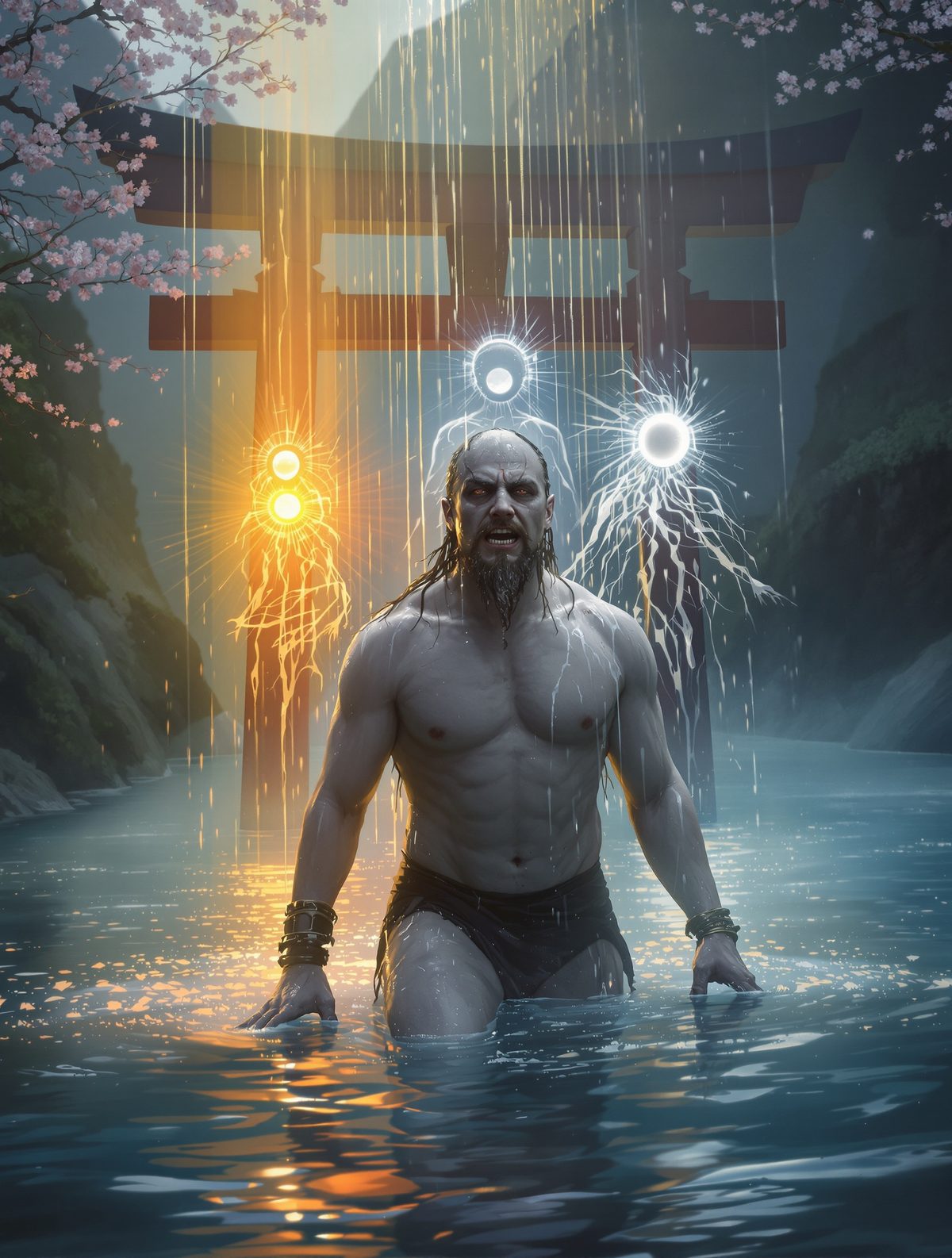
Upon returning to the world above, every pore of Izanagi felt tainted by the whispers of death. He sought solace and purification in the celestial currents of the Tachibana River in Hyūga Province, modern-day Miyazaki Prefecture. There, amidst the enveloping waters, he performed the ritual of misogi—cleansing himself of the impurities he had gathered in Yomi.
As the waters washed over him, something miraculous occurred. The divine became once again tangible, and from the essence of his purification, three mighty deities were born. First emerged Amaterasu, the resplendent goddess of the sun, whose radiance would illuminate the world. From her, the lineage of Japan's emperors claims its origins. Next came Tsukuyomi, the serene god of the moon, whose quiet presence governed the night. Lastly appeared Susanoo, the tempestuous storm god, whose name conjures the wild energies of nature.
Each deity, born from the cleansing, symbolized not merely a physical creation but a spiritual emergence. The act of purification was not just a cleansing of Izanagi himself but a rebirth of potentiality and purpose—each god embodying aspects of the human and natural worlds.
More Than Meets the Eye: The Symbolism of the Ritual
The inclusion of misogi in the Shinto tradition is far more than a tale of cosmic genesis. It reflects distinct cultural practices that have permeated Japanese spirituality. Misogi underscores the importance of purity and renewal, a theme that runs deep within Shinto beliefs.
An intriguing detail lies in the connection between this mythological purification and the contemporary misogi rituals still practiced in Japan today. These rites often involve individuals standing under icy waterfalls or wading into rivers, seeking to cleanse both body and spirit. The echoes of Izanagi’s own purification ritual resonate through these practices, linking present-day customs with ancient mythological roots.
Complex Relationships: The Birth of Family Rivalries
The legacy of Izanagi's cleansing wove intricate tapestries of relationships between these newly born deities, leading to some of the most dramatic tales within Japanese mythology. Amaterasu and Susanoo, in particular, shared a complex and tumultuous relationship. Their conflicting natures—a sun goddess embodying order and harmony versus a storm god representing chaos and unpredictability—resulted in legendary confrontations that shaped the heavens and earth.
One notable story tells of Susanoo’s expulsion from the celestial realm due to his unruly behavior, including an unforgettable incident that plunged Amaterasu into hiding, depriving the world of sunlight. These tales symbolize the dual nature of order and chaos coexisting within the universe, reflecting on the human experience itself.
The Lasting Legacy: Why This Myth Matters Today
What makes Izanagi's purification not just a myth but a cornerstone of cultural and spiritual awakening is its timeless relevance. It reminds us that even the darkest experiences can become sources of illumination and creativity. The birth of three cardinal deities from a single, metaphysical act of washing away the past emphasizes resilience and regeneration.
In the tapestry of life, every individual faces moments that stain the soul. Izanagi's story imparts the wisdom that through reflection, cleansing, and acceptance, one can renew one's spirit and foster new beginnings. Whether in personal struggles or societal challenges, this legendary purification serves as a reminder of the transformative power residing within each of us, urging us to wash away despair and embrace the potential for creation with every fresh tide.