The Gates of Despair
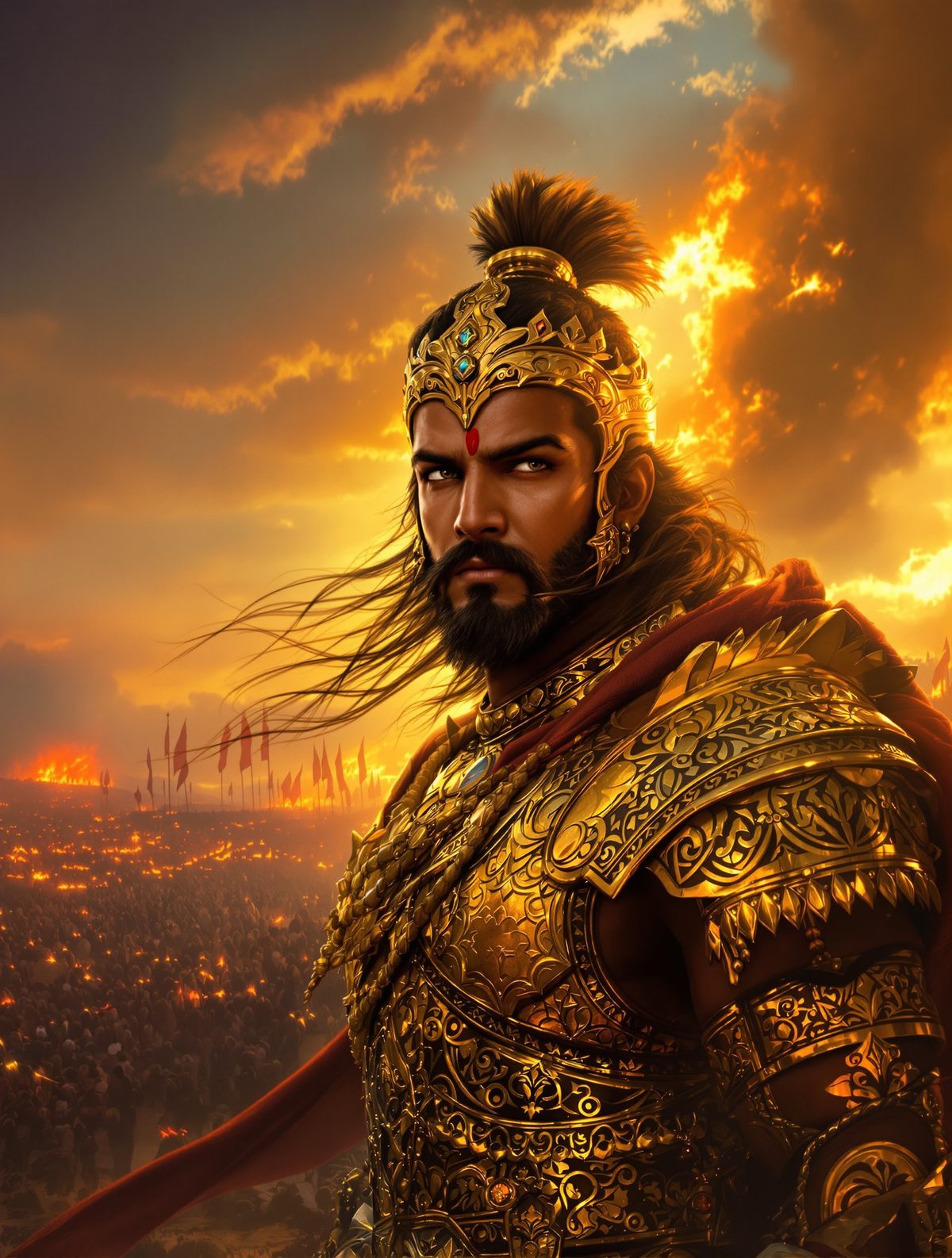
In the dawn of civilization, amid the cradle rivers of the Tigris and Euphrates, there lived a king, part mortal, part divine, whose exploits burned brightly in the annals of time. Gilgamesh, the great king of Uruk, was known far and wide for his incredible feats of strength and valor. Yet, as he stood before the gates of the afterlife, tears streaming down his face, what was it that brought such sorrow to the man who had once feared nothing? It was loss. It was the death of his friend, Enkidu, a tragedy so profound that even the bravest of warriors could do nothing but weep.
The Bond That Defied Heaven
Gilgamesh’s story is entwined with that of Enkidu, a wild man crafted by the gods to be his equal. Their friendship was a bond forged in battles and adventures, from slaying the mighty Humbaba, the guardian of the Cedar Forest, to facing the wrath of the Bull of Heaven. Together, they were invincible — or so it seemed. Enkidu, who had been created from clay and made flesh, was a matching counterpart to Gilgamesh’s extraordinary lineage, two-thirds divine and one-third human.
In the epic tales recounting their exploits, one thing always stands out: the deep and profound friendship between the two. They challenged the gods and laughed in the face of danger, sharing a camaraderie that was as legendary as the heroes themselves. However, the gods are not known for their mercy. They decided that for these rebellious acts, Enkidu must pay with his life.
The Dream of Doom
Enkidu's end was foretold in a dream, a vision of ominous foreboding that spelled doom. He dreamed of being taken away by the Angel of Death, dragged to the underworld to meet his fate. The gods had spoken, and their decree was final. No mortal or immortal could defy what was written in the celestial codex.
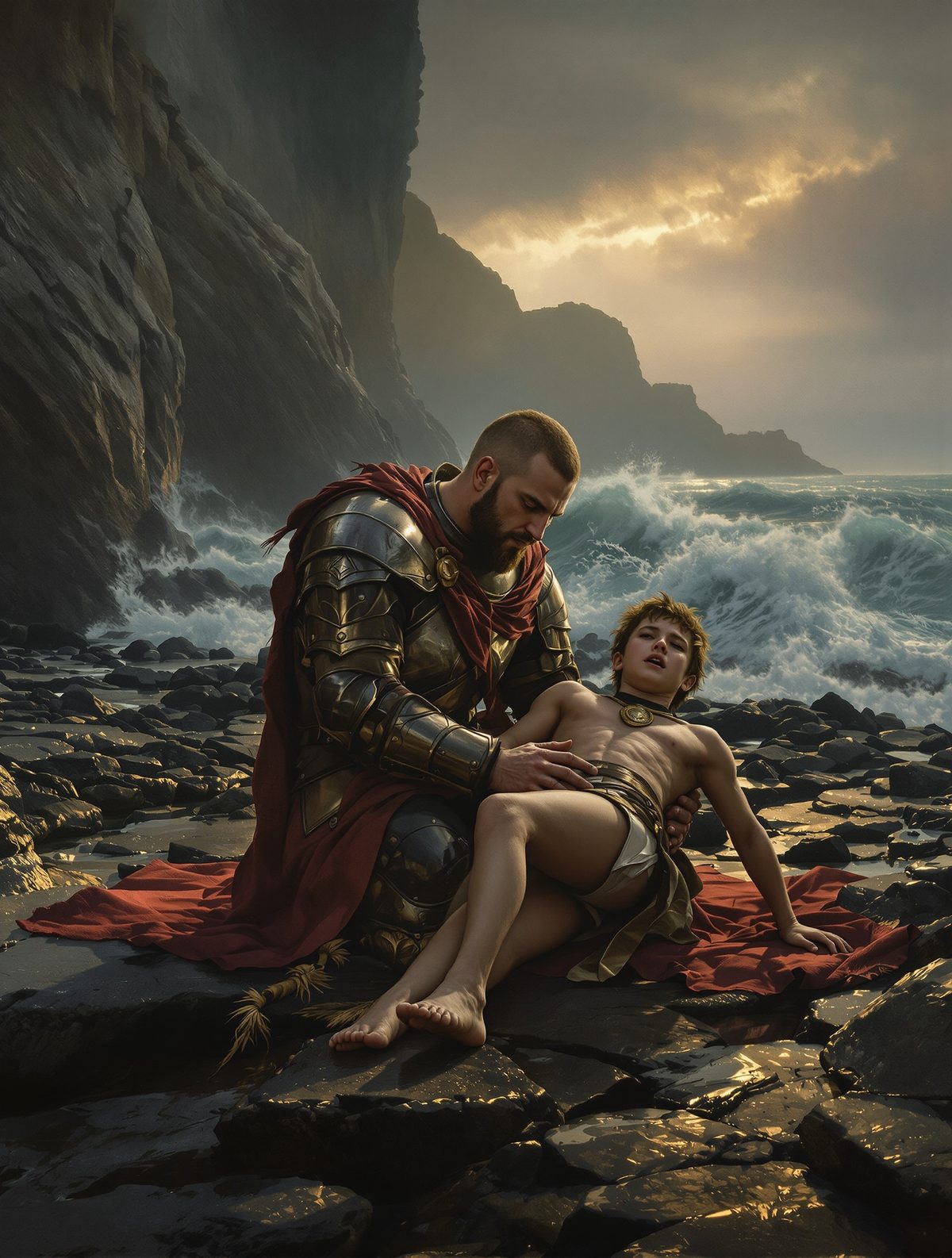
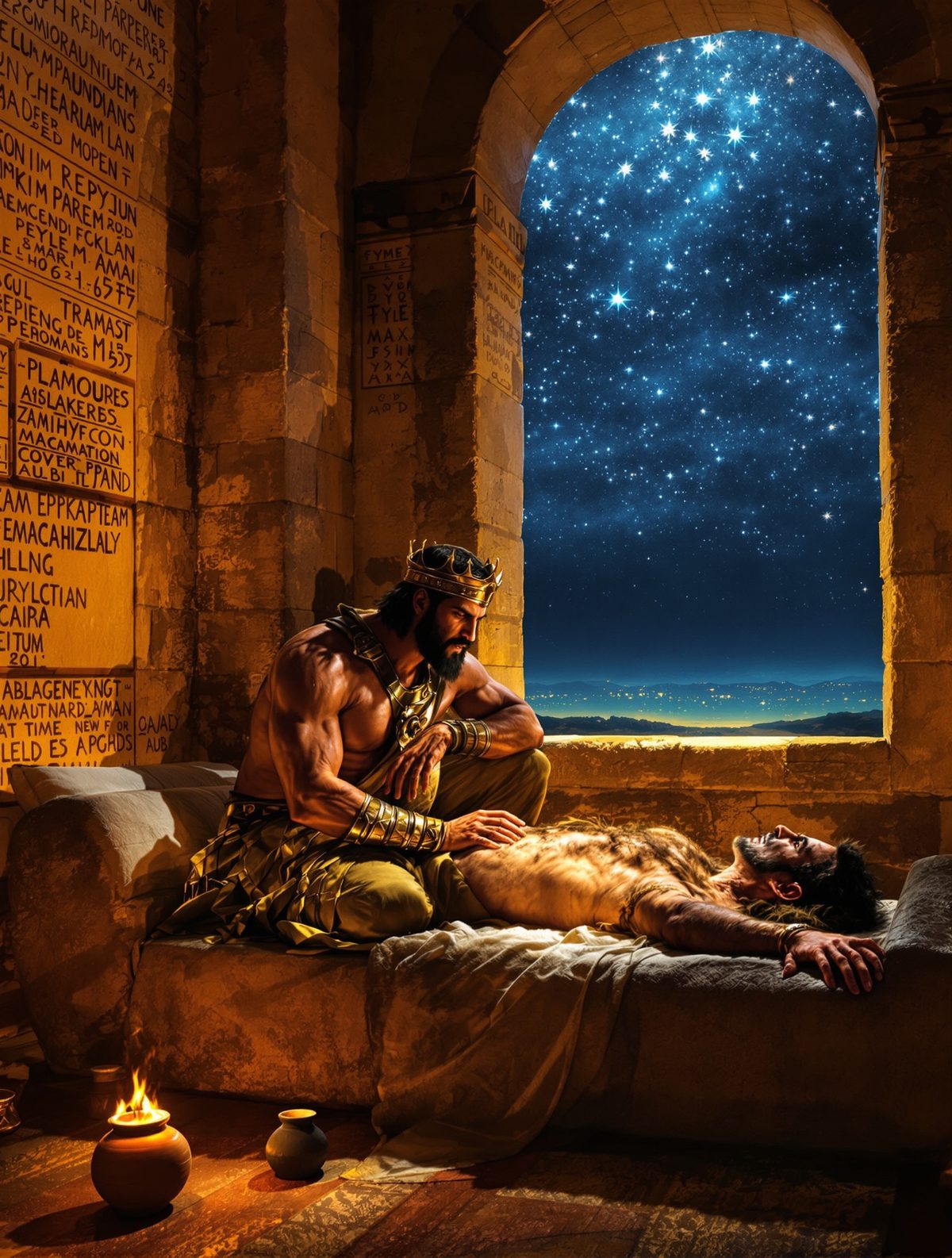
As Enkidu lay on his deathbed, beset by sickness sent forth by the divine edict, Gilgamesh was rendered powerless. The mighty king, accustomed to bending the world to his will, faced a struggle he could not conquer. This was a battle not of might but of inevitability, against the very forces that governed life and death. The divine decree was falling, and Gilgamesh learned that even heroes have their limits.
Tears of a King
The scene at Enkidu's side was one of utter pathos. Gilgamesh, the pride of Uruk, who had seen the impossible and made it real, felt his heart wrenched apart. “Will I not die too? Am I not like Enkidu?” Gilgamesh questioned in his grief, acknowledging perhaps for the first time his own mortality. He wept not only for the loss of a friend but for the shattering of his own delusions of immortality. Despair clothed him as heavily as his royal garb, and no amount of heroism could shield him from his anguish.
In Mesopotamian culture, tears were a connection to the divine — an appeal for understanding and compassion. Gilgamesh’s tears were his plea to the gods, to fate, to anything that could hear his sorrow and return his friend. Here, in the realm of myth and history entwined, the mighty king was reduced not by sword or spear but by the simple, profound human experience of loss.
The Odyssey for Immortality
The grief at Enkidu’s demise propelled Gilgamesh into what would become perhaps his greatest quest — the search for immortality. Haunted by the brevity of life and driven by the desire to escape Enkidu’s fate, Gilgamesh embarked on a journey that took him across lands and tested the very limits of human endurance. He sought Utnapishtim, the immortal survivor of the Great Flood, hoping to uncover the secrets of everlasting life.
In his quest, Gilgamesh was confronted by the futility of his pursuit. After numerous trials and divine encounters, he found that the secret of immortality was not his to grasp. When a serpent slyly stole the plant of rejuvenation, his hopes were dashed. The world returned to its natural order where death is the inevitable end. In this somber revelation, Gilgamesh finally understood he had to embrace his mortality and the legacy he could leave behind.
Legacy Beyond Time
The tale of Gilgamesh and Enkidu is more than just a story of divine retribution or epic adventure. It is a profound reflection on the human condition, a testament to enduring friendship, love, loss, and the quest for meaning in the face of mortality. This ancient narrative, preserved across millennia on tablets of clay, resonates deeply even in the modern world, where questions about life, death, and legacy persist unabated.
Gilgamesh's lamentation at the gates is not just the cry of a mythic king but an echo through ages of anyone who has mourned the loss of a loved one. It reminds us that no conquest, no matter how grand, outweighs the bonds we form and the lives we touch. As we consider these ancient legends, we are urged to reflect on what we value truly and how we wish to be remembered.