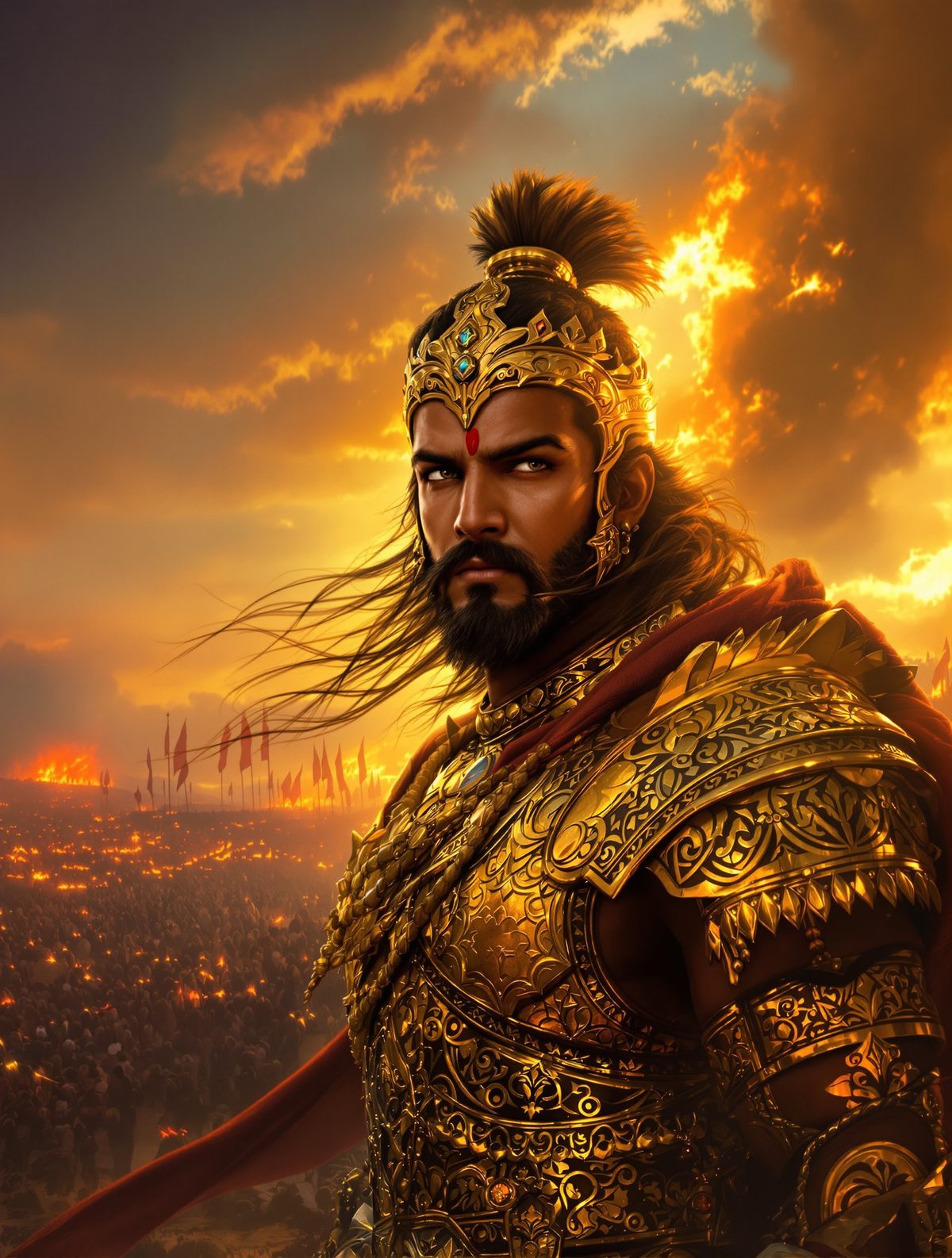
Picture yourself on the misty shores of ancient Ireland. The air is heavy with salt and the sound of waves crashing against the rocks. A warrior stands poised, glistening with sweat from the exertions of a day spent defending his land. He is Cú Chulainn, the greatest of all Irish warriors, feared and revered. From the sea emerges a young boy, defiant and mysterious, claiming rights to the land that Cú Chulainn fiercely protects. But who is this youth, and why does he not reveal his name? As the backdrop of this legendary encounter unveils, we find ourselves swept into a tale of heroics, tragedy, and the haunting consequences of destiny unfulfilled.
The Training in the Shadowy Lands
The story of Cú Chulainn, originally named Sétanta, begins long before his sorrowful encounter with Connla. He was known for his superhuman abilities, marked even in his youth as a child prodigy with the potential to surpass all others. His legendary moniker, "The Hound of Ulster," came after he defended the region from Culann's hound by vanquishing it with his own hands.
In his early adolescence, Cú Chulainn sought tutelage under the formidable warrior-goddess Scáthach in the land known as Alba, or modern-day Scotland. Scáthach's domain was often referred to as the "land of shadows," a fitting name for a place shrouded in mystery and training techniques that bordered on the supernatural. Here, he learned the art of war, earning the hero's light – a mystical ríastrad that distorted his appearance in battle, striking terror into the hearts of his foes. Among the treasures of tutelage were the Gáe Bulg, a barbed spear that lodged within its victim.
Scáthach prophesied that in his lifetime, Cú Chulainn would not be bested in battle, but he would live only a short, albeit glorious life. This training equipped him with unmatched prowess and a resolute mind, laying the groundwork for great conquests and tragic losses that would come.
The Nameless Boy on the Shore
Years passed, and Cú Chulainn's deeds echoed throughout Erin (Ireland), culminating in feats that fed into the legendary Táin Bó Cúailnge, the epic cattle raid of Cooley. Yet, as fate would have it, the shoreline of his homeland would bear witness to his undoing.
A ship cut across the waves and landed on the shores of Ulster, carrying a lone boy named Connla. Connla was the son of Cú Chulainn and Aife, Scáthach's rival, whom he had left behind in Alba. The boy had been sent by his mother to find and meet his father, carrying with him a pledge that he would not reveal his name to anyone.
As Connla stepped onto the beach, clad in garments vibrant against the grey sky, his arrival struck Cú Chulainn as a challenge, atypical yet not unheard of in those times where borders and allegiances were routinely tried by warriors seeking honor and repute. Here was a stranger, claiming he would not bow down, a formidable challenge at a time when honor dictated that might and identity should always be declared.
The Duel of Father and Son
The customary formalities of Celtic warrior society demanded that Cú Chulainn demand the boy's name, his lineage, and his purpose. Yet, the young warror stood resolute, bound by the strictest of oaths not to divulge his name, taught to demonstrate silence as a form of ultimate respect and devotion.
Cú Chulainn, misunderstanding this as hubristic defiance, found his own honor bound to respond with force. A fierce battle unfolded, each strike telling of their shared bloodline, both warriors driven by equal intensity and skill. Swords clashed under the low-hanging sun, as though every moment was drawn out into the slow cessation of time. Connla's refusal crumbled under the inevitable fate decreed by his own father’s hand.
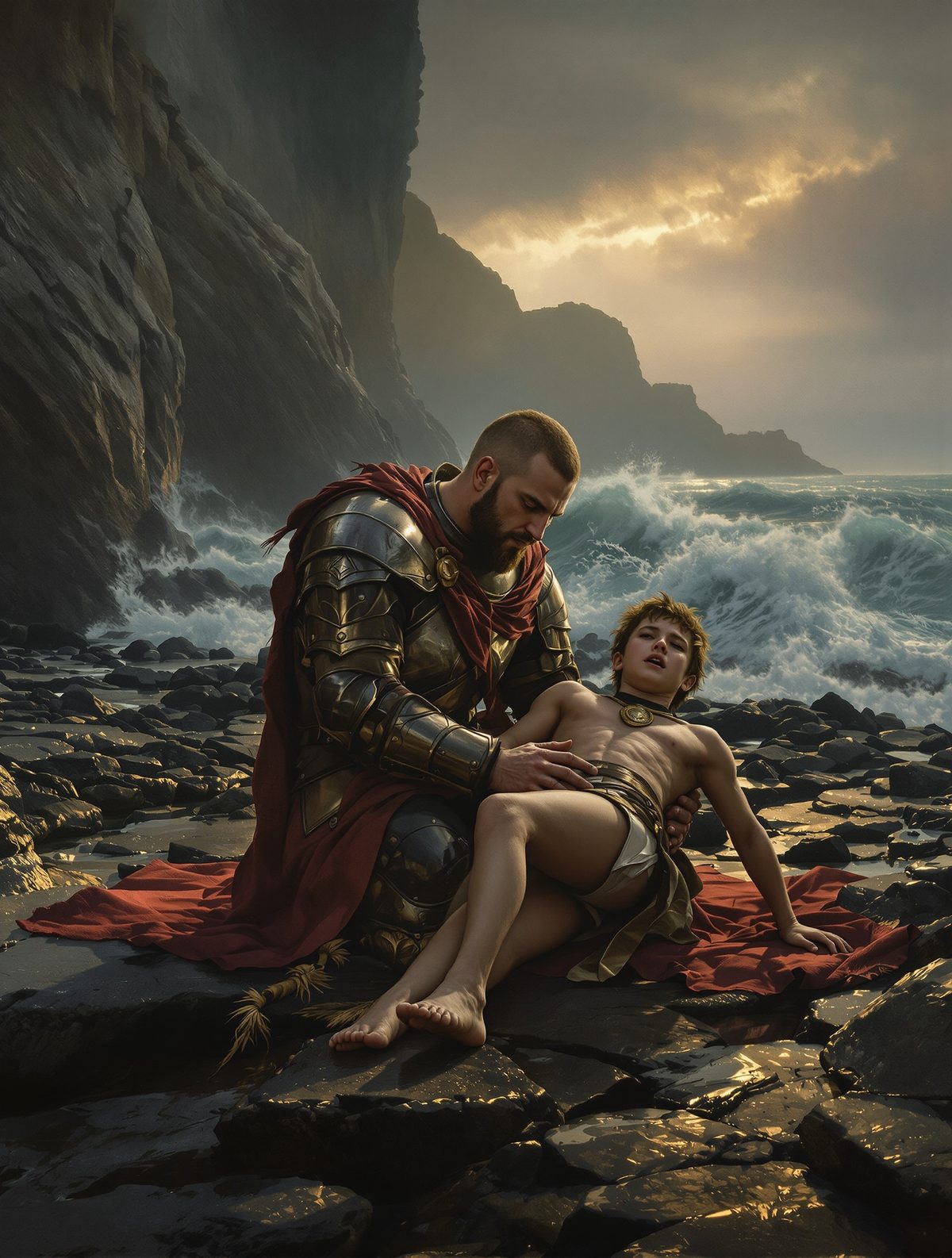
The boy fell, mortally wounded by the infamous Gáe Bulg, claiming his breath with irreversible finality. As he lay dying, the truth emerged like a gut-wrenching specter borne from the past. Connla, with a strength borne of both valor and desperation, at last spoke his name.
The Realization and the Curse of Blood
With the utterance of his son’s name, Cú Chulainn was thrust into the devastating realization of what his warrior's code had wrought. To have survived so many endless battles only to cause the death of his own flesh and blood — to the grizzled warrior, such a fate was cruel punishment from the gods above.
This tragedy, aptly encapsulated in the haunting realization of a father felling his progeny, sheds light on the darker aspects of a warrior culture where honor, identity, and reputation were paid for in blood. Yet, it was also here on this seashore that Cú Chulainn, for the first time, seemed human — stripped of his legendary invulnerability and touched by a profound and irrevocable personal loss.
Echoes of the Past in the Present Day
Why does this tragic legend echo across the halls of time? The story of Cú Chulainn and Connla serves not only as a tale of mythical heroics and brutal vendettas, but also as a poignant reminder of the perils that await when honor is pursued without question and communication is forsaken for pride.
In our modern era, the legend forces us to reflect on the relationships we cultivate and how easily they can be distorted or lost by miscommunication — a resonant reminder that behind every act of valor, there exists the potential for profound sorrow. The age-old adage remains: even the greatest of heroes cannot escape their fate, a sentiment just as true then as now.