The ancient city of Eridu, shrouded in the mists of time, was said to be the first city ever built by the Sumerians. It thrived near the convergence of the Tigris and Euphrates rivers in southern Mesopotamia. Yet, amidst the fertile delta where civilization began, a tale of divine deliberation and disastrous decisions unfolds. At the heart of this legend lies the story of Ziusudra, the man who knelt before the gods as they voted to drown the world. Let us delve into the compelling narrative of the Eridu Genesis, a Sumerian myth of creation, wrath, and survival, where one man's fate echoed the whisper of a god.
The Silent Council of the Divine
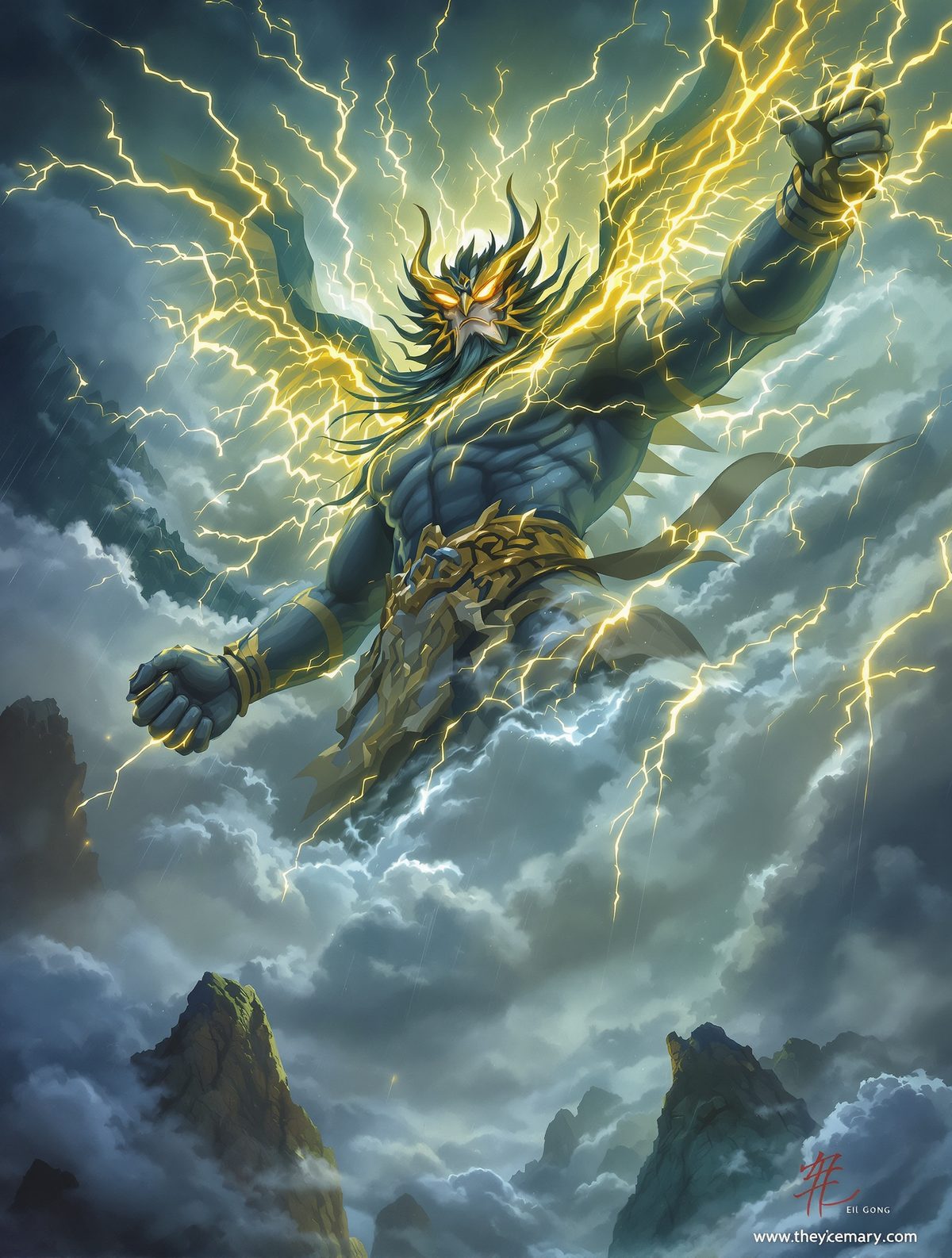
In the celestial courts above, the great Anunnaki gods congregated under a veil of secrecy. The thrum of dissatisfaction resonated as Enlil, the potent storm god and king of the heavens, voiced his growing vexation at humanity's incessant noise. It was the era circa 2300 BCE when Sumer was flourishing with life and cacophony. Yet, Enlil found the clamor intolerable. Heavy-hearted, he cast the deciding vote: the earth would be purged through a great flood.
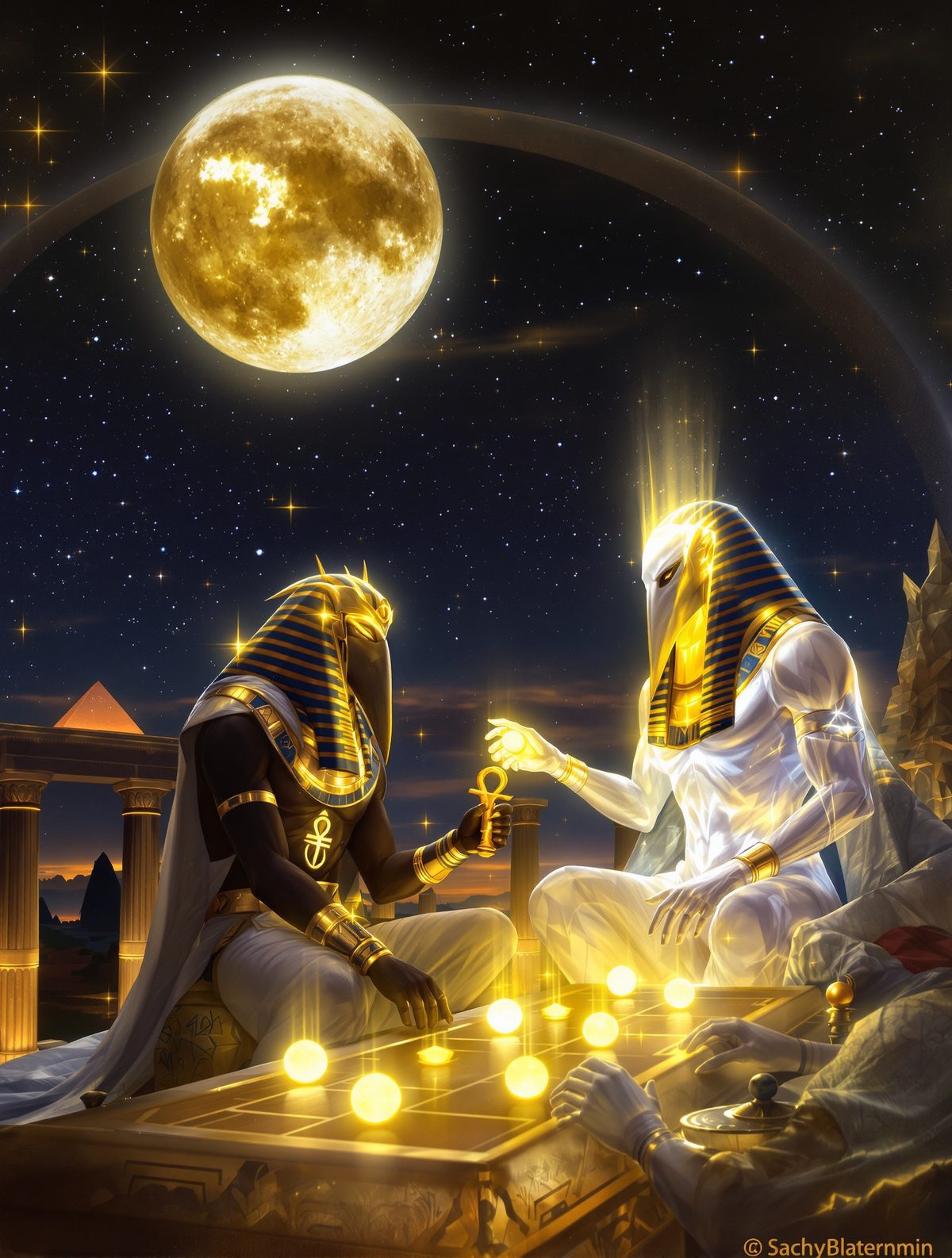
This decision was not taken lightly. The gathering was clandestine; a council no mortal eyes or ears were intended to witness. The assembly included primordial deities like An, the sky god, Enki, the god of waters and wisdom, and Ninhursag, the earth mother. The rebuke for humanity's clamor was unyielding, akin to the pounding of the mighty Tigris at flood stage. But one voice remained silent amidst the divine tumult – that of Enki, who harbored an affection for humanity akin to that of a parent. Yet even he, bound by the sacred oath of secrecy, sat motionless as the verdict fell.
Enki's Whisper to the Reed
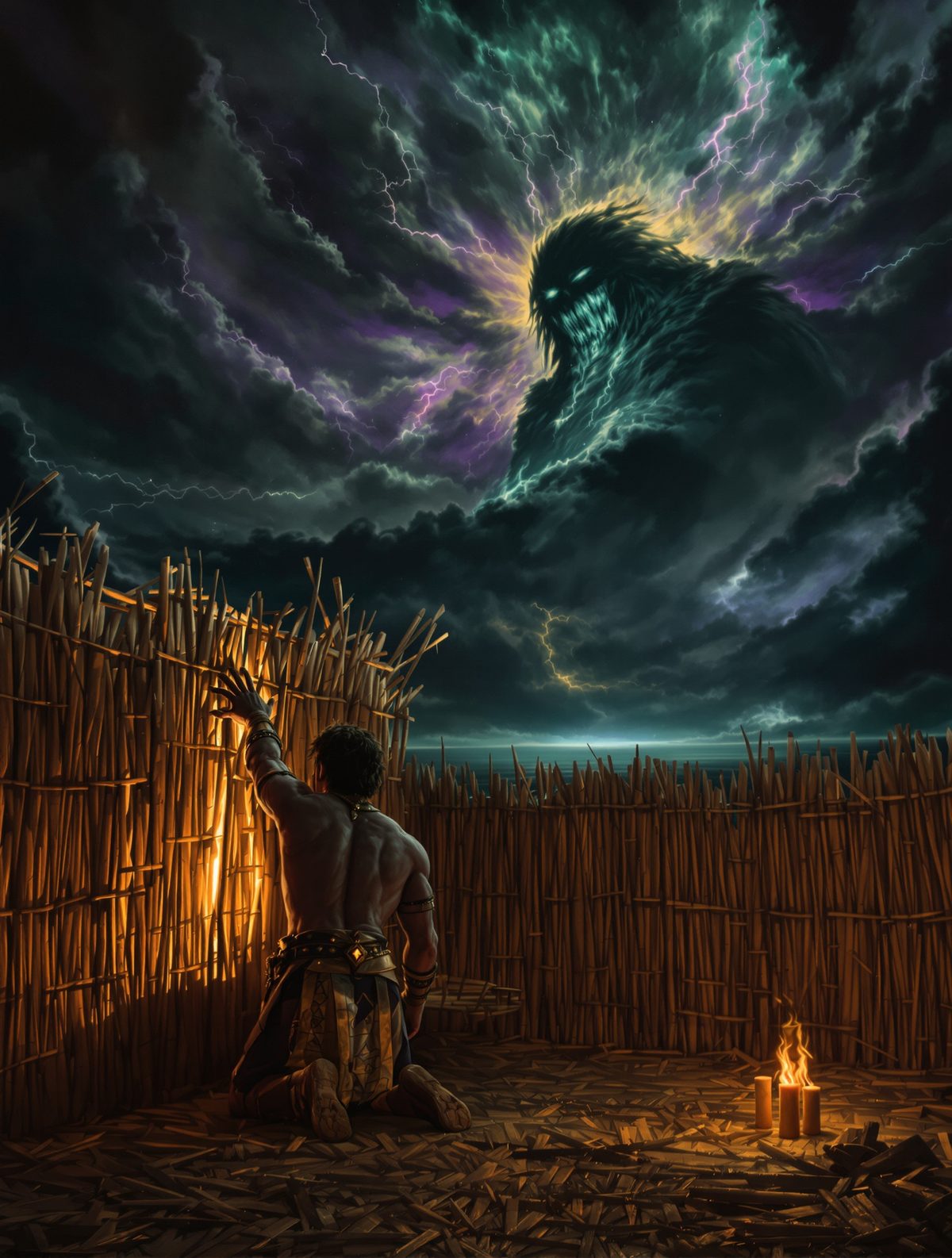
Captured by the burden of his own empathy, Enki sought a way to warn humanity, yet remain true to his vow. His solution was as enigmatic as it was ingenious. Rather than speaking directly, Enki leaned close to a reed wall and whispered his counsel, knowing full well that a wall cannot be sworn to secrecy – or reprisal. His voice wove through the gaps in the reed, nestled in Ziusudra's humble abode in Shuruppak, a city believed to be near modern-day An Nasiriyah, Iraq.
To Ziusudra, Enki conveyed a vision of the deluge, the likes of which had never been seen. The advent of the flood was not just a tale of survival but a testament to human resilience. Despite the gods' decision, Enki's ingenious defiance ensured that life could endure the impending doom. In a stroke of divine irony, the very medium of the message, the reed, symbolized life and rebirth, an apt metaphor for Ziusudra's imminent task.
The Architect of Hope
Ziusudra, known later in Akkadian myths as Utnapishtim and in Hebrew texts as Noah, was instructed to construct a mighty vessel. The instructions spoke through the rustle of reeds: the ark should be as long as it was wide, a cube of survival amidst chaos. His hands crafted a 120 cubit square ark, sealed with bitumen to keep it from leaking, a vessel that would withstand the wrath of the storm god.
The people of Shuruppak must have watched with a mix of confusion and skepticism as their countryman labored relentlessly, convinced by a whispering wall. Yet history, as the legend suggests, proved Ziusudra right. As clouds gathered, and the skies darkened with divine foreboding, he gathered his family and representatives of every living creature, preserving the essence of life within the walls of his ark.
The Rebirth of the World
The rains began, torrents that lasted seven intense days and nights. All of Sumer was washed away; the temples, the ziggurats, and treasures of civilization were submerged under the relentless floodwaters. The man-made structures that mirrored the glory of the gods lay submerged in a new, vast sea. Yet, against the fury of Enlil, Ziusudra's ark bobbed resolutely, a floating sanctuary amidst a drowned world.
When the waters finally receded, Ziusudra emerged, grateful and humbled. His sacrifice both spiritual and material was rewarded with eternal life among the gods in Dilmun, the paradise that mirrored the purity of untouched creation. This elevation served not just as recompense but as a divine acknowledgment of human perseverance and trust in wisdom.
The Legacy of Eridu's Genesis
The tale of Ziusudra stands as one of the earliest flood myths, preceding even the biblical story of Noah. This Sumerian narrative, etched into clay tablets, underscores a profound respect for divine wisdom while recognizing humanity's indomitable spirit. These tales from Mesopotamia, alongside the stories of other cultures, highlight a shared human heritage deeply rooted in myth.
Enki's whisperings remind us of the profound lesson that even in the face of overwhelming power, knowledge and foresight offer a path to resilience. The whispers through walls tell us that communication can transcend both divine and human boundaries.
Today, as we face modern environmental challenges, the story of the Eridu Genesis encourages reflection on what it means to heed warnings, to act in wisdom, and to cherish the earth as a shared vessel of life. Perhaps these ancient legends omitted from standard textbooks still hold the whispers of ancient wisdom, urging us to listen.