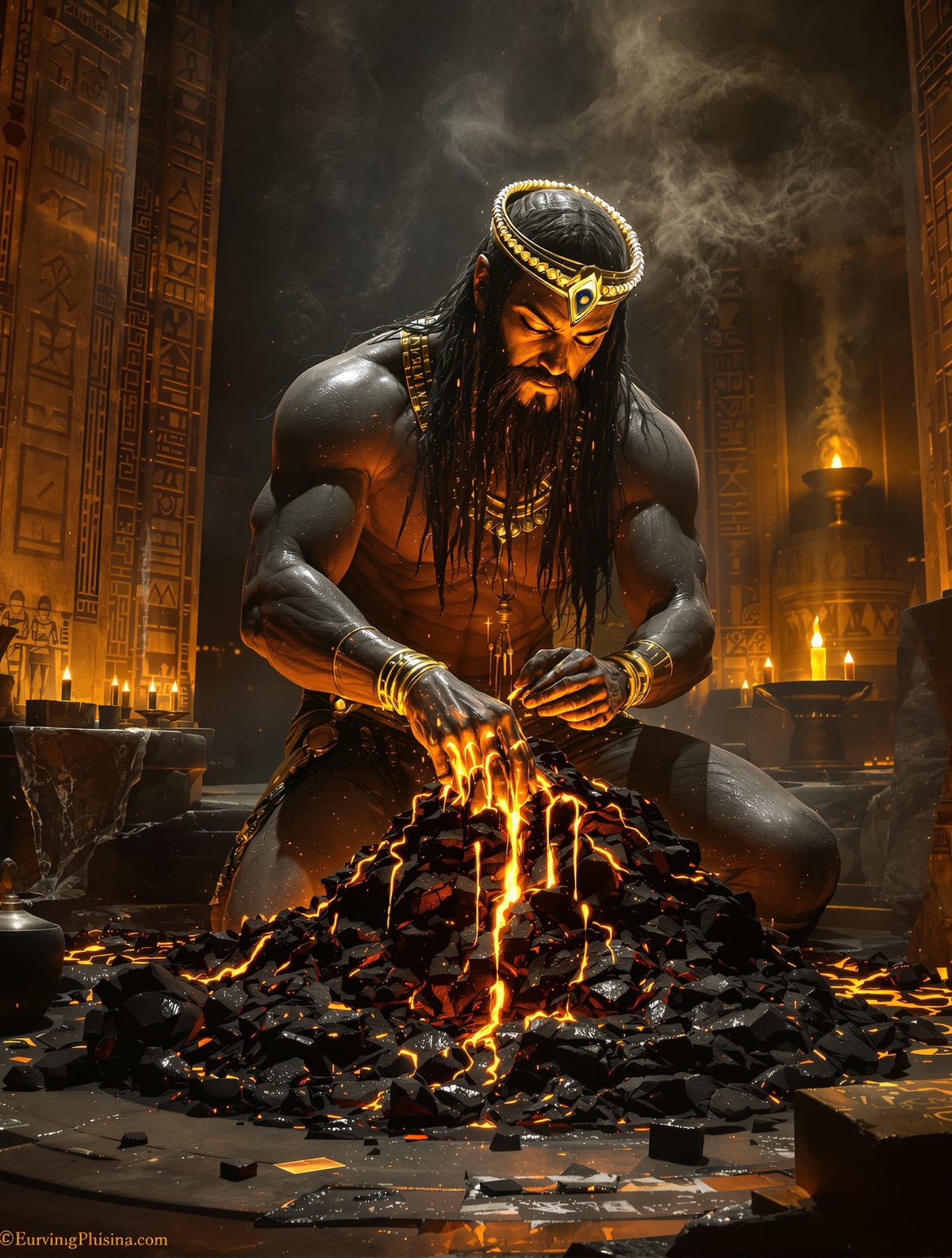
In the ethereal realms of ancient Mesopotamian mythology, where gods mingled with mortals and the universe's fate hung on sacred artifacts, a tale of betrayal and chaos emerged, echoing through the corridors of divine power. The audacious theft of the Tablet of Destinies by Anzu, a creature both revered and formidable, plunged the celestial order into disarray. It’s a saga that not only evokes intrigue but also prompts reflection on the tenuous balance between trust and treachery in the hierarchies of power.
The Rise of Anzu: Guardian or Predator?
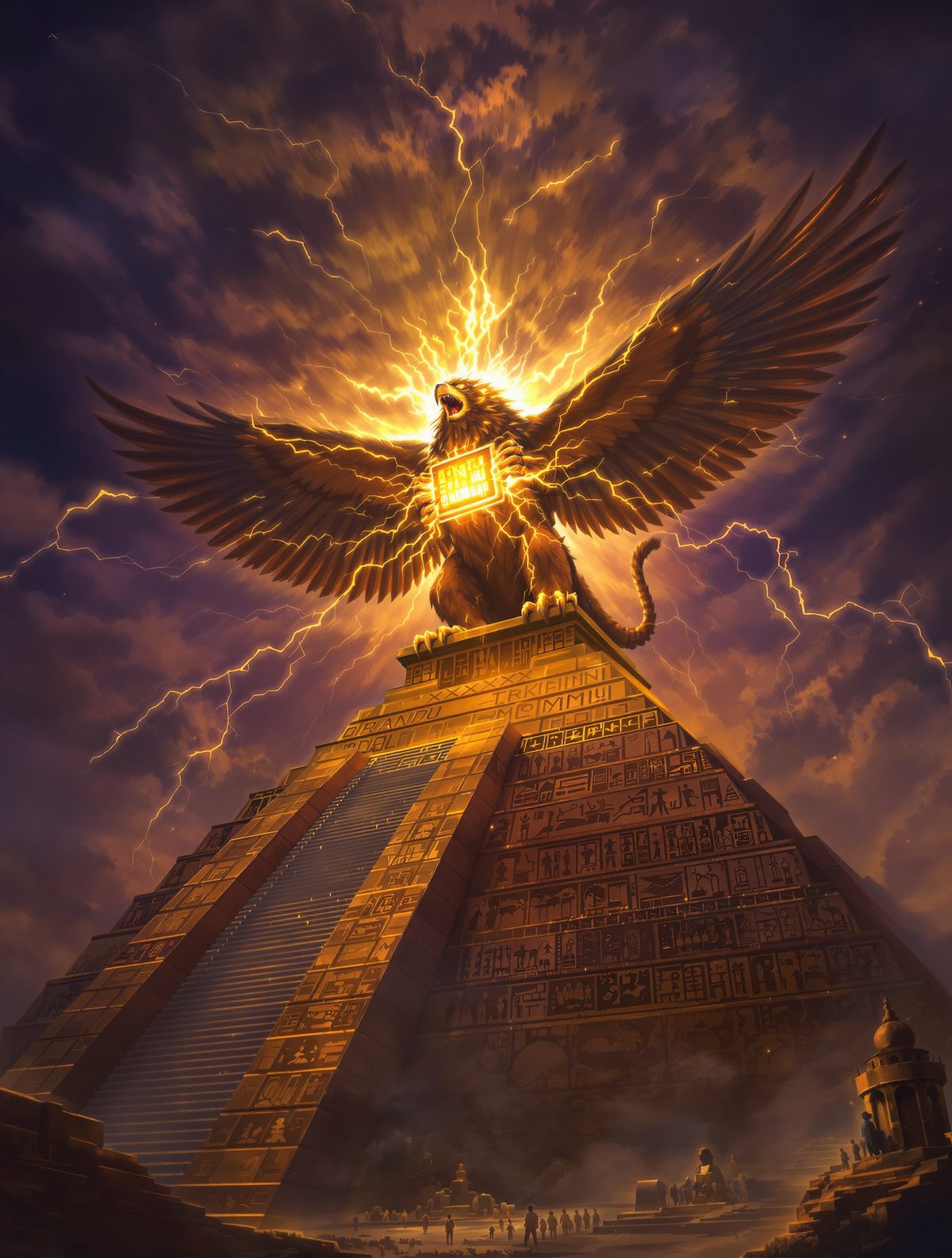
Long before his infamous act of defiance, Anzu was revered as Enlil’s devoted guardian. Born from the raw elements of storms, with the body of an eagle and the head of a lion, Anzu epitomized strength and vigilance. His presence was a testament to Enlil’s authority, as the god of wind and storm commanded reverence across the divine pantheon and among humanity. Anzu was not merely a protector but a symbol of divine unity, trusted enough to stand watch over the Tablet of Destinies, the most powerful artifact in the cosmos.
The Tablet of Destinies, an object shrouded in mystery, was said to contain the decrees of fate itself. It bestowed upon its possessor supreme authority, the ability to command gods and shape the world. This tablet was the linchpin of the cosmic order, and Enlil held it with unyielding grasp, confident in Anzu's loyalty. But such trust proved to be a double-edged sword.
The Heist that Stopped the Heavens
One fateful morning, as Enlil washed himself in preparation for a day of celestial governance, he placed the tablet aside, entrusting it, as always, to Anzu's watchful gaze. But as the skies blushed with dawn, ambition ignited within Anzu. In a swift, calculated betrayal, he unfurled his mighty wings and seized the tablet with his talons, escaping into the heavens. The moment was electric — a stunning act that no one, not even the gods of highest esteem, had foreseen.
The immediate aftermath of this bold coup was palpable. The skies darkened, and silence fell like a shroud over the divine assembly. Heavens froze, not in temperature, but in uncertainty. The gods, stripped of the guiding edicts of the tablet, found themselves in a state of powerless stasis. Without the tablet, the future was unwritten, floating untethered in the void.
The Hunt for Anzu Begins
Amidst the chaos, the gods convened to confront their dilemma. Anzu's flight had challenged their very existence. How could a creature, no matter how mighty, defy the divine order? Driven by desperation and fury, the god Ninurta rose to confront Anzu. Ninurta, the warrior god, was Enlil's son and renowned for his valor. The task at hand was monumental; failure was not an option, for Anzu’s continued possession of the tablet jeopardized the cosmos itself.
Guided by Ea, the wise god of wisdom and magic, Ninurta embarked on a quest not only to retrieve the tablet but to restore divine equilibrium. Armed with chants of power and the flaming arrows of Shamash, the sun god, Ninurta faced the daunting challenge head-on. The ensuing battle between Ninurta and Anzu was legendary, a clash of titans that reverberated through the ages.
The Fall of Anzu: Order Restored
The confrontation between Ninurta and Anzu was a spectacle of mythic proportions. Eagles clashed and talons glinted through the storm-choked skies, as the two entities fought for the future of all existence. Ninurta, driven by the weight of divine mandate and filial duty, captured Anzu after a ferocious battle. However, capturing Anzu was not merely an act of might; it required the deployment of strategy and cunning, woven through with Ea's mystical interventions.
With Anzu subdued, the Tablet of Destinies was finally wrested from his grasp and returned to its rightful custodian, Enlil. Equilibrium was painstakingly restored, and with it, the celestial order resumed its flow. Anzu, once a formidable guardian, was sentenced to obscurity, a cautionary symbol of how ambition unchecked by loyalty could unravel even the most sacred trust.
The Moral of the Divine Heist
The story of Anzu’s betrayal and the subsequent restoration of order underscores timeless themes still echoing in modern discourse: the fragility of trust, the peril of ambition, and the dynamics of power. In our current world, where authority figures grapple with the complexities of governance, the tale serves as a reminder that the structures of power hinge upon loyalty and moral integrity.
The repercussions of power abuse or the misallocation of trust are as significant today as they were in the mythic tales of Mesopotamia. The legacy of Anzu thus provides a narrative lens through which we can examine contemporary issues of leadership, ethics, and the delicate balance of power dynamics. This tale, long etched into the fabric of ancient storytelling, continues to resonate, serving as a testament to the enduring nature of myth and its unparalleled ability to reflect the human condition.