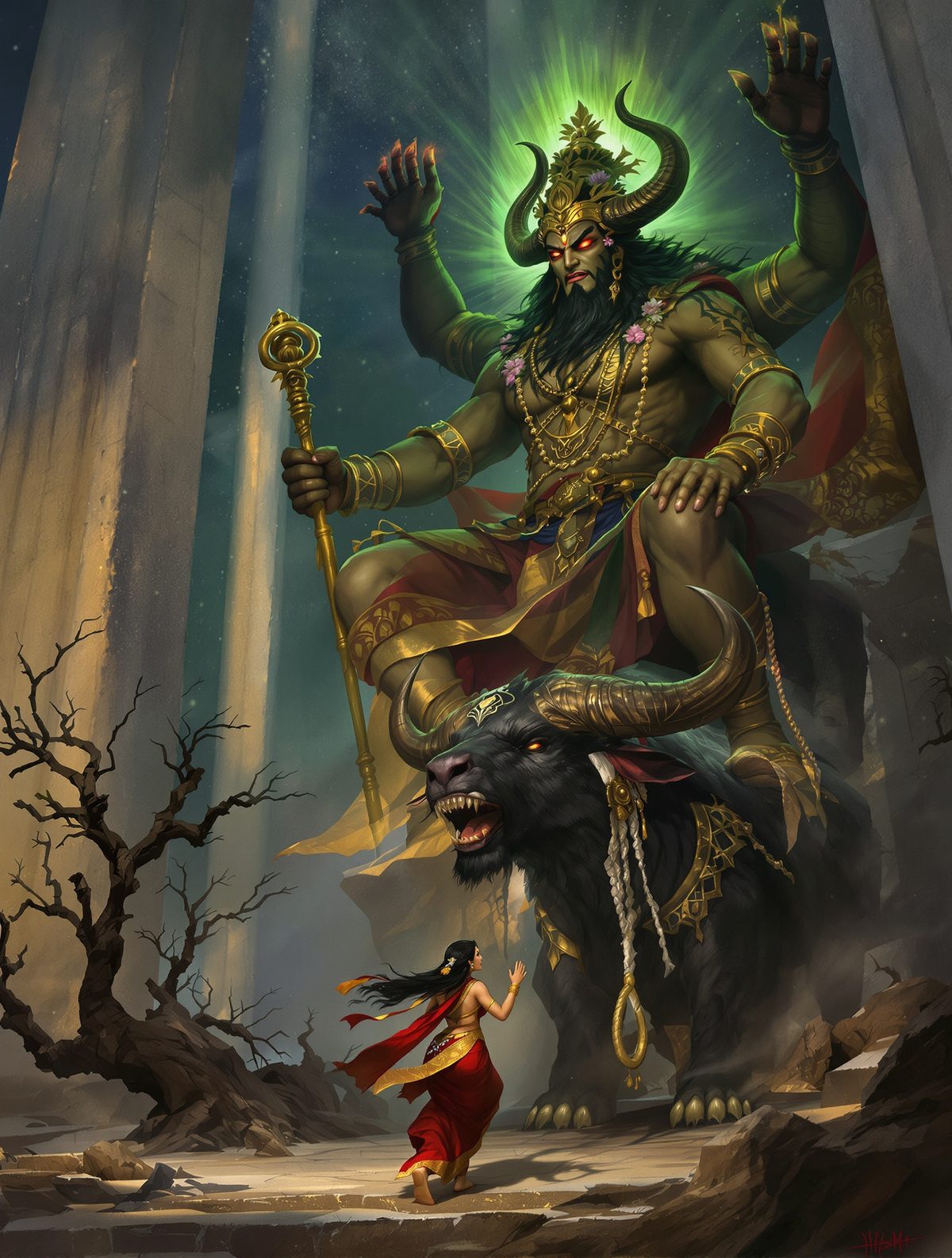
The hot sun blazed mercilessly over the savannah, painting the land with golden light and long shadows. But in the home of Sogolon, the mother of Sundiata, the light of hope seemed to barely glimmer. Inside, a young boy crawled where others walked, moving silently on all fours, a prince whose potential seemed shrouded by a mystery beyond the grasp of mere mortals. This is the story of Sundiata Keita, the legendary founder of the Mali Empire, a tale marked by adversity, courage, and an iron will.
A Kingdom's Promise: The Birth of a Legend
In the heart of the 13th century, amidst the sprawling kingdoms of West Africa, a prophecy heralded the birth of a great king. Sundiata was born to Maghan Kon Fatta, the king of Niani, and his second wife, Sogolon Conde, a woman whose appearance was as unusual as it was fated. The soothsayers had foretold that her son would one day be a mighty ruler, someone destined to weave a new tapestry of power and unity across the African landscape.
Yet, those who laid their eyes upon infant Sundiata saw not the vision of a future empire-builder but a child encumbered by a cruel twist of fate — he could not walk. By the time he was three, Sundiata remained unable to stand. The court whispered, and enemies plotted, believing the prophecies to be mistaken or delusional fantasies.
Tales of Cruelty: A Mother's Burden
The royal court of Niani was rife with laughter, but it was the laughter of scorn — aimed squarely at Sogolon and her son. Such were the politics of the time; harsh and unforgiving. Every tribulation faced by her son resonated as a personal anguish for Sogolon. In this, Sogolon's heartache was twofold, for she bore the weight not just of her son’s struggle, but also the relentless ridicule from others.
Niani was not just a land of laughter and jests though; it was a vibrant hub where trade and culture intertwined. It was here, amidst thriving markets and storytellers that Sundiata, imperceptible to the mocking crowd, began to cultivate a keen intellect, absorbing tales of valor and wisdom, silent but ever inquisitive.
The Turning Point: Grasping Destiny
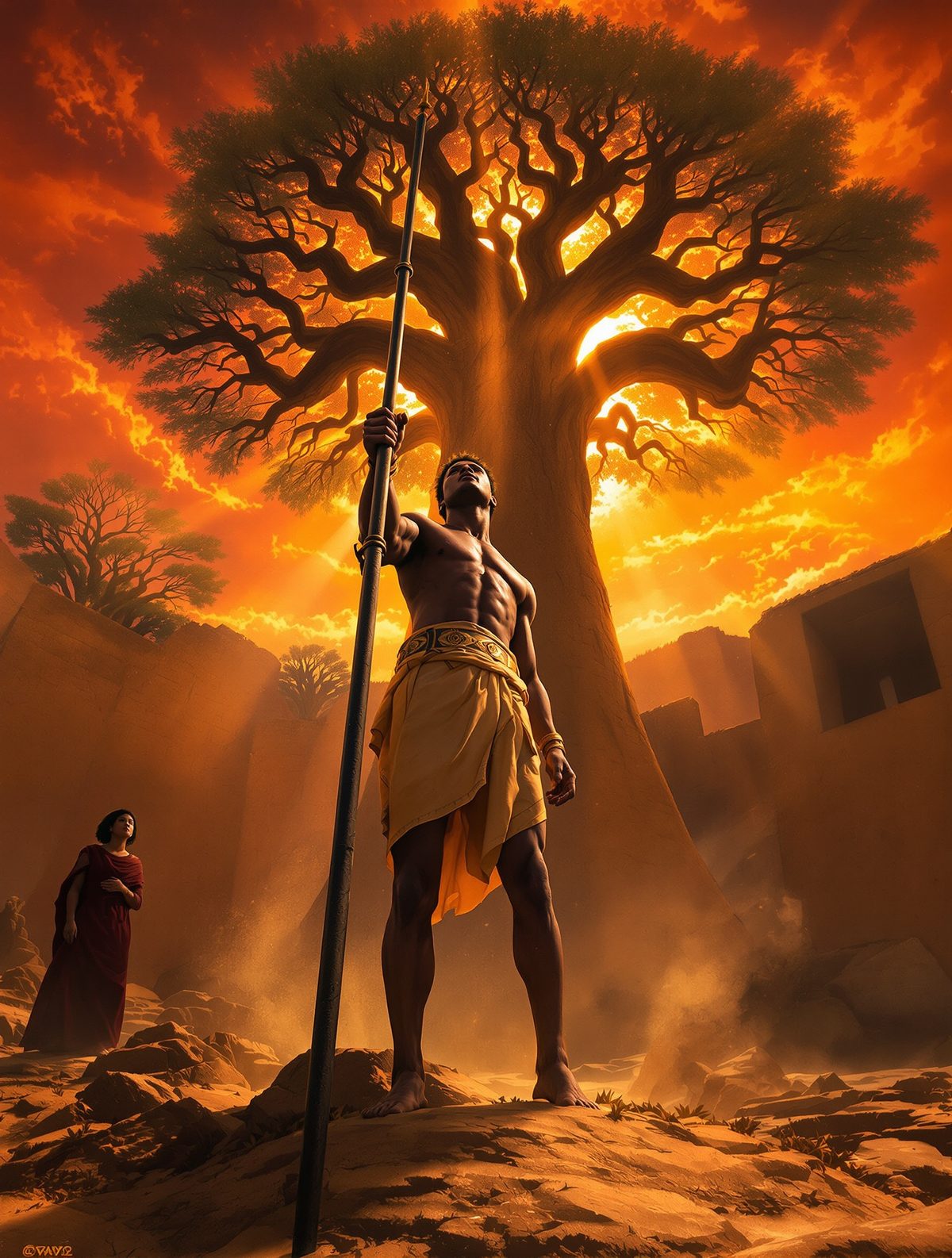
The winds of change tend not to whisper but to roar. One fateful day, as Sogolon despaired anew at her son's incapacity, Sundiata reached for an iron rod — a rather unassuming act but for its unprecedented outcome. With a strength that belied his years, Sundiata pulled himself up, the iron rod straining under his newfound power as he bent it into an upright stance.
This was more than an act of physical triumph; it was a declaration. It was the sound of the ancient prophecies being recalled in the minds of many. The whispers stopped abruptly, replaced by an awe that echoed through the hearts of those who once doubted. Sundiata was rising, not just to walk, but to rewrite his destiny. Records suggest he would have been around seven years old at this transformative moment.
The Lion Awakens: Sundiata's Rise to Power
With the agility of a lion and the determination of a hawk, Sundiata's rise was as swift as it was spectacular. He needed but a short time to master the art of war, drawing strength from the lands of Mema and assembling a formidable army. In subduing the erstwhile rival kingdom of Sosso, Sundiata displayed strategic brilliance unparalleled for his time. His legendary confrontation with the sorcerer-king Soumaoro Kante in the Battle of Kirina remains one of the most epic confrontations in African lore.
1312 marked the year Sundiata’s establishment of the Mali Empire, with Niani at its heart. As its ruler, he did not merely reign; he merged, he united. Under his command, the empire grew in wealth and influence, spanning across present-day Mali, Senegal, Gambia, Guinea, and beyond. He became a beacon of strength, the sickly child metamorphosed into the lion that roared courage into his people.
Legacy of Sundiata: Lessons for Today
Sundiata Keita's story is not merely one of a boy who overcame physical adversity; it is a narrative mosaic filled with lessons about resilience, destiny, and the transformative power of belief. In the labyrinth of history, his journey reminds us that true leadership often springs from the soil of suffering and harsh trials.
Today, in a world beset with challenges and doubt, Sundiata's story embodies the potential that lies within all to rise and transform, regardless of the adversities that bind us. His life urges us to look beyond the immediate failures and see the horizon of possibilities that await persistence and enduring faith.
The legend of Sundiata is more than history; it is a living testament to the human spirit’s capacity to surmount and inspire — a legacy not just of a boy who could not walk, but the Lion King who dared to change the course of his destiny and that of an entire continent.