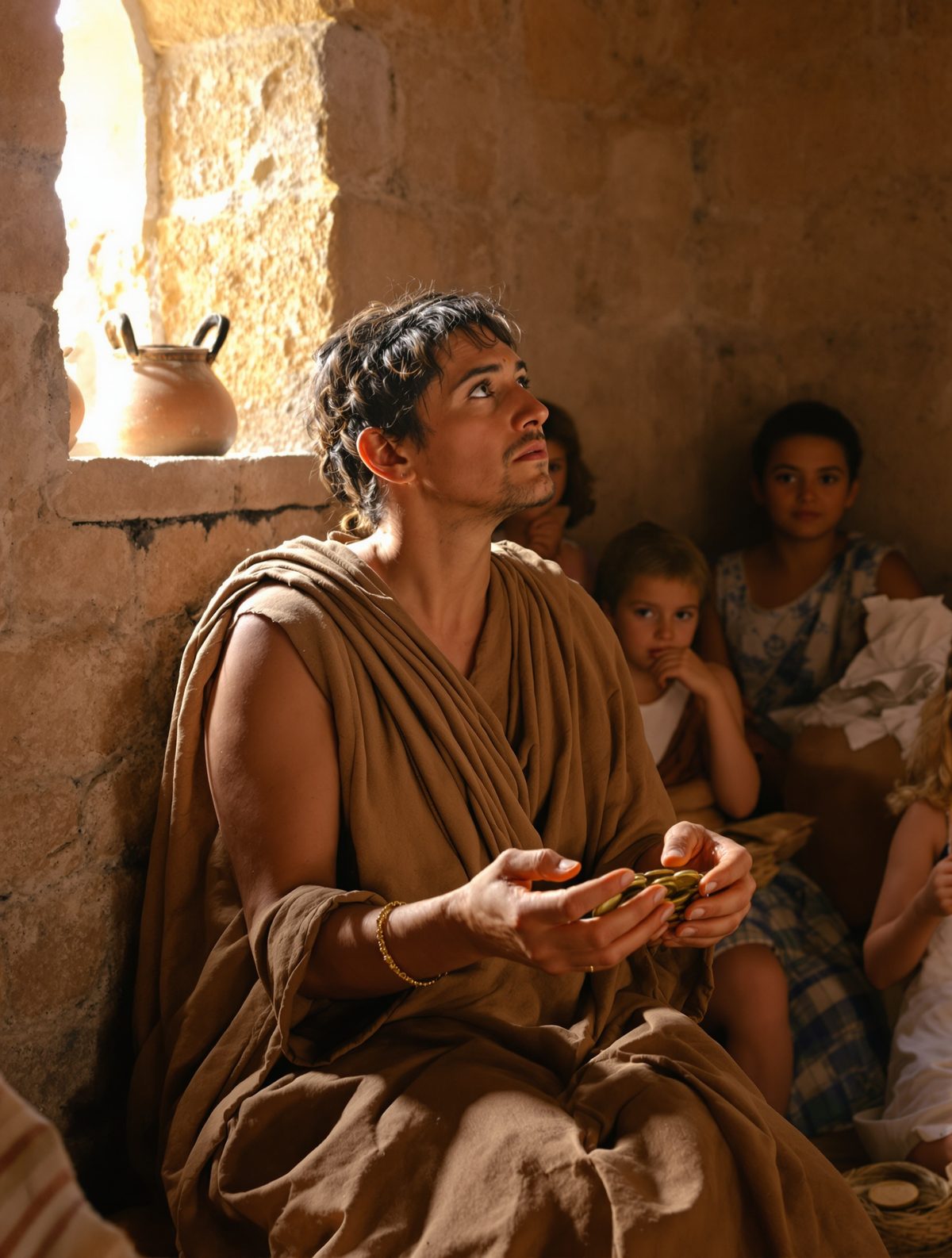
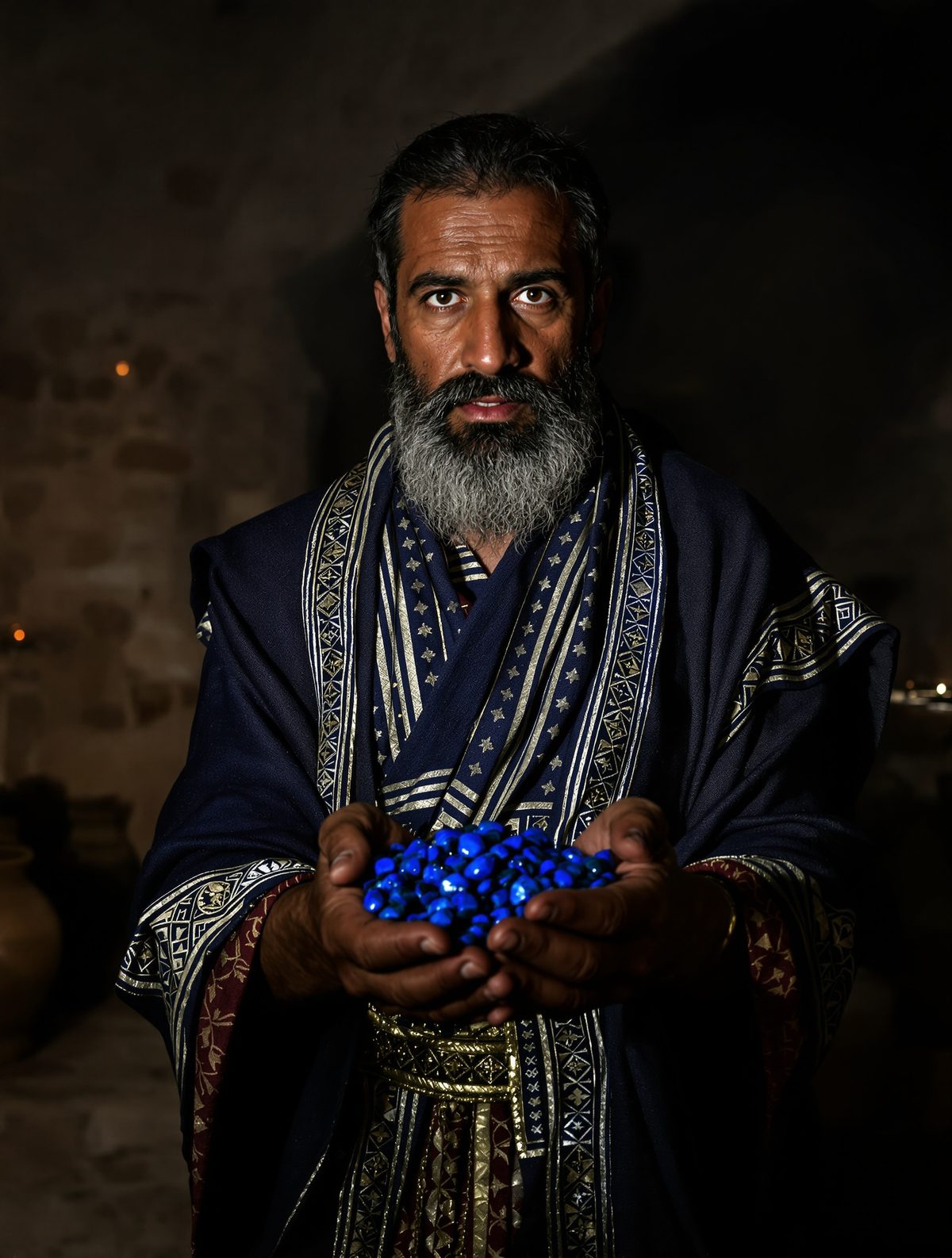
The dust hadn't settled when the first raiders broke through Harappa's outer gates. It was the autumn of 2300 BC, and the great Indus Valley city—home to perhaps 40,000 souls—was about to fall. While families fled toward the river with whatever they could carry, one man made a different choice. Daro-Sin, whose warehouses had made him wealthy beyond imagination, descended stone steps into the darkness beneath his mansion. In his trembling hands, he clutched a leather pouch containing 200 pieces of the most precious blue stone on Earth. He would never see daylight again.
When archaeologists Sir Mortimer Wheeler and Ahmad Hasan Dani cracked open that vault in 1946, they found something that challenged everything they thought they knew about ancient civilizations. A skeleton sat upright against the far wall, finger bones still wrapped around a pouch of lapis lazuli so pure and perfectly cut that it sparkled like captured starlight. This wasn't just another burial—this was a 4,300-year-old crime scene that told the story of an empire's final moments.
The Lapis Lazuli King of Harappa
To understand Daro-Sin's choice, you need to understand what lapis lazuli meant in 2300 BC. This wasn't just pretty blue rock—it was the currency of gods and kings. The only source of true lapis lazuli in the ancient world was the remote Sar-e-Sang mines in what is now Afghanistan, over 500 treacherous miles from Harappa through bandit-infested mountain passes.
Cuneiform tablets found in Mesopotamia reveal that a single ounce of quality lapis lazuli could buy enough grain to feed a family for three months. The Egyptians ground it into ultramarine pigment worth more than gold—literally. When Howard Carter opened Tutankhamun's tomb in 1922, the pharaoh's funeral mask contained lapis lazuli that experts valued at over $300,000 in today's money. For a death mask. Imagine what 200 perfect specimens would be worth.
Daro-Sin had built his fortune on this blue gold. Archaeological evidence suggests his trading network stretched from the Persian Gulf to the foothills of the Himalayas. Shell bangles from his workshops have been found in burial sites across modern-day Pakistan and India. But lapis lazuli was his specialty—and his obsession.
The Merchants of Mohenjo-Daro: Masters of Ancient Globalization
The Harappan civilization wasn't just advanced for its time—it was millennia ahead of anything else on Earth. While Stonehenge was still under construction and the Egyptians were just figuring out pyramid engineering, the Indus Valley cities had running water, sophisticated drainage systems, and standardized weights and measures that remained unchanged for 700 years.
But here's what they never taught you in school: the Harappans were the world's first global traders. Harappan seals have been discovered in Mesopotamian cities, Harappan beads in Sumerian graves, and Harappan ivory in Egyptian temples. They developed the world's first standardized system of weights—perfectly calibrated stone cubes that ensured fair trade from the Arabian Sea to the Bay of Bengal.
Daro-Sin's mansion, located in Harappa's merchant quarter, contained something extraordinary: a private mint. Not for coins—those wouldn't be invented for another thousand years—but for creating the intricate stone seals that served as ancient trademarks. His personal seal, found clutched in his left hand, depicted a rhinoceros beneath an indecipherable script that we still cannot fully decode today.
The Day the World's First Civilization Fell Silent
Nobody knows exactly who the raiders were that autumn day in 2300 BC. The Harappans left behind no epic poems of conquest, no royal chronicles of defeat—just the archaeological evidence of a civilization that simply stopped. Unlike the dramatic destruction of Pompeii or the burning of Rome, the Indus Valley cities seem to have faded away like a song ending.
Recent excavations suggest the attackers came from the northwest—possibly Indo-Aryan tribes whose horse-drawn chariots and bronze weapons outmatched the Harappans' peaceful trading culture. Wheeler initially theorized that these were the same Vedic peoples whose hymns speak of destroying fortified cities and conquering the "dark-skinned" peoples of the Indus.
But Daro-Sin's vault tells a more complex story. The underground chamber, accessed through a hidden entrance beneath his mansion's main courtyard, was clearly prepared well in advance. Stone shelves lined the walls, each one carefully engineered to bear tremendous weight. This wasn't a panic room—it was a treasury designed to outlast empires.
200 Pieces of Forever
The lapis lazuli found with Daro-Sin's remains defied all expectations. Each stone had been cut into perfect geometric shapes—hexagons, triangles, and intricate cylinder seals that would have taken master craftsmen months to complete. Under microscopic analysis, researchers discovered something remarkable: every single piece came from the same mine shaft in Afghanistan.
This wasn't a random collection—it was a carefully curated masterpiece. Spectrographic analysis revealed that the stones contained trace minerals indicating they came from the deepest, most difficult-to-access veins in Sar-e-Sang. Only the highest quality lapis lazuli forms at such depths, where geological pressure creates the intense blue color that ancient peoples believed held magical properties.
Even more intriguing, several pieces showed evidence of partial carving—unfinished seals and amulets that suggested Daro-Sin was working on them right up until the end. Carbon dating of organic residue in the carving grooves indicates he was actively crafting these pieces within days, possibly hours, of his death.
The Merchant's Final Choice
As the sounds of battle drew closer to his mansion, Daro-Sin faced the same choice that would confront merchants and collectors throughout history: flee and live, or stay and die with your life's work. He chose his treasure.
The position of his skeleton suggests he barricaded the vault door from the inside using bronze-fitted wooden beams—fragments of which still contained traces of his palm prints in 1946. Analysis of the bone positioning indicates he lived for several days, possibly a week, in that underground chamber before succumbing to dehydration. Clay vessels found nearby contained the dried residue of dates and grain—provisions for a siege he hoped to survive.
But perhaps most haunting of all: he kept working. Even as his city burned above him, even as hope faded, Daro-Sin continued carving his beloved lapis lazuli. The unfinished pieces found in his hands show tool marks consistent with the copper chisels discovered beside his remains. He literally chose to spend his final hours doing what he loved most.
Blue Gold, Timeless Obsession
Daro-Sin's story resonates today because it represents something eternal about human nature—our willingness to die for what we create, what we collect, what we consider beautiful. In 2019, collectors paid over $2 million for a single piece of carved Harappan-era lapis lazuli at Sotheby's. The mineral that obsessed a Bronze Age merchant still drives people to extraordinary lengths today.
But there's something deeper here. The Harappan civilization created the world's first urban planning, the first standardized measurement systems, and the first truly international trade networks. Yet it all vanished, leaving behind only fragments and mysteries. Daro-Sin's vault reminds us that behind every great civilization are individual human stories—people who loved beauty so much they couldn't bear to be separated from it, even in death.
The next time you see ultramarine blue in a Renaissance painting or admire the lapis lazuli inlays in an Art Deco building, remember: you're looking at the same material that a Harappan merchant valued more than life itself, 4,300 years ago. Some obsessions, it seems, are truly timeless.